FAST SHIP
6 Reviews
ON SALE 15% OFF
$179.00$209.00

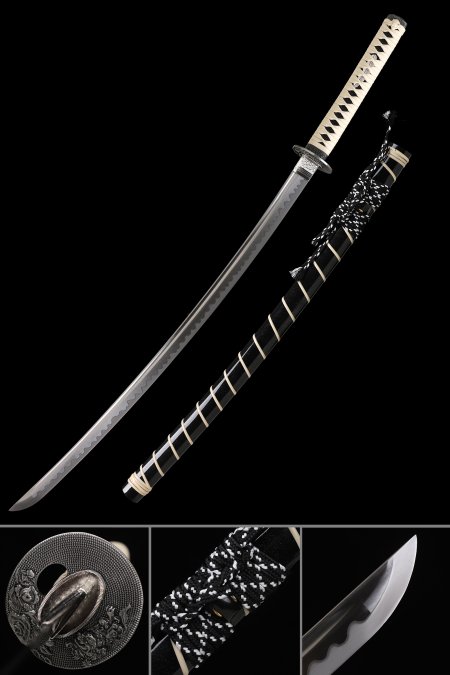
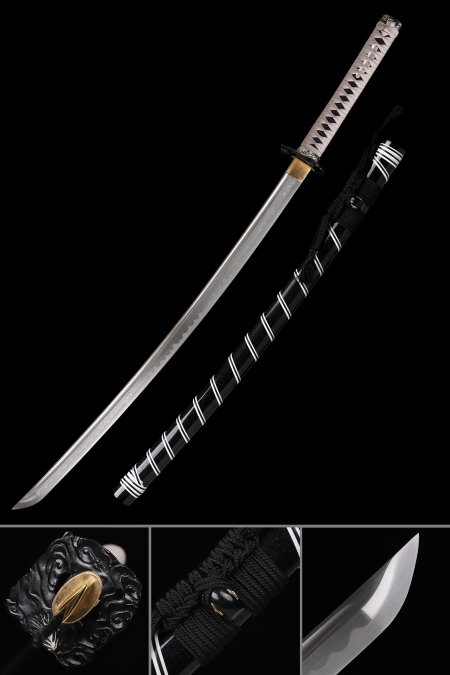
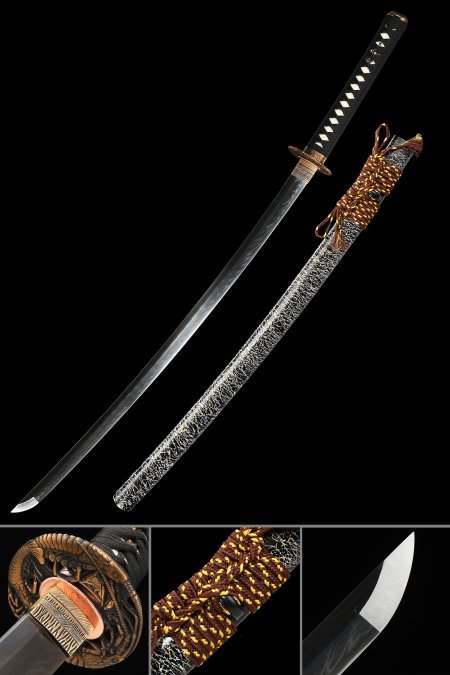
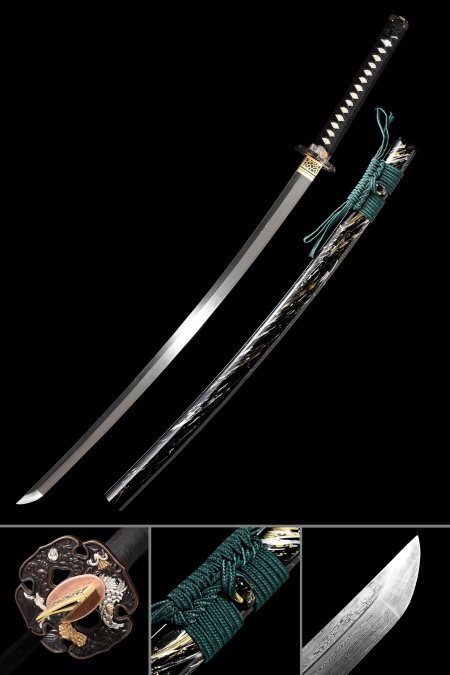
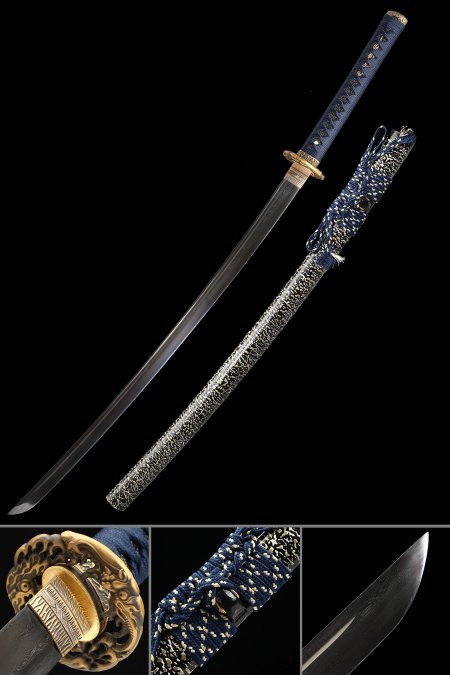
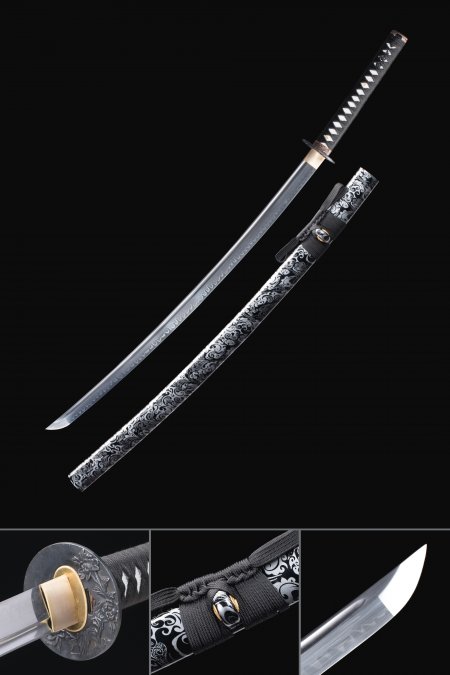
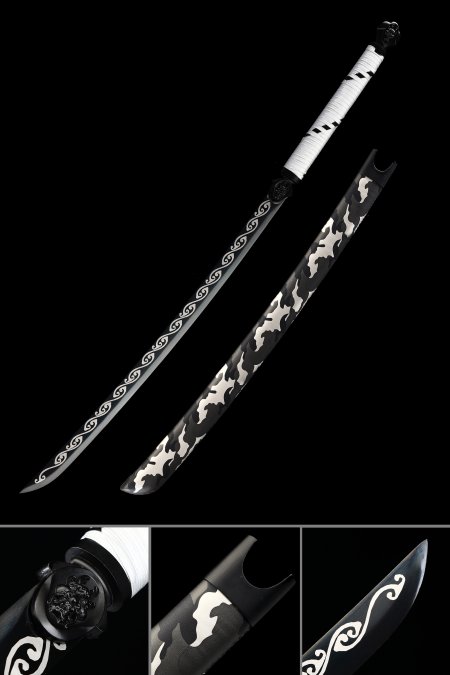
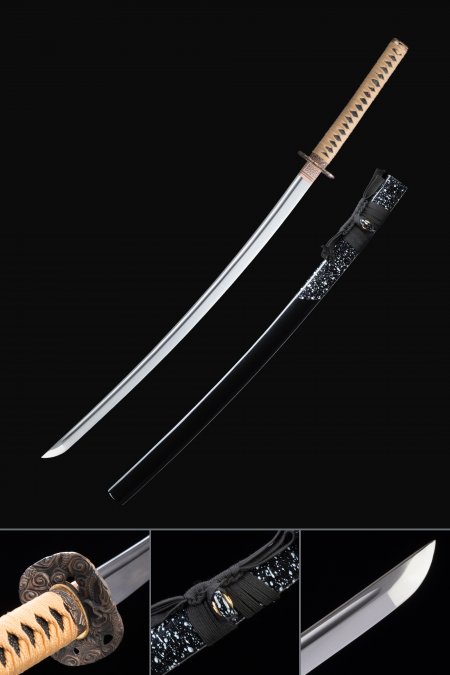
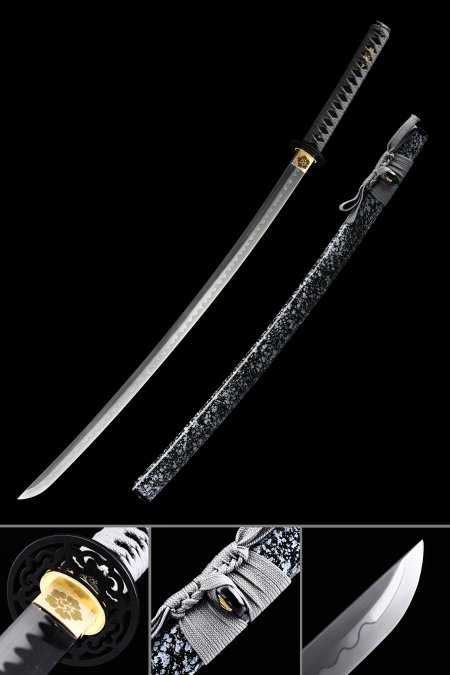
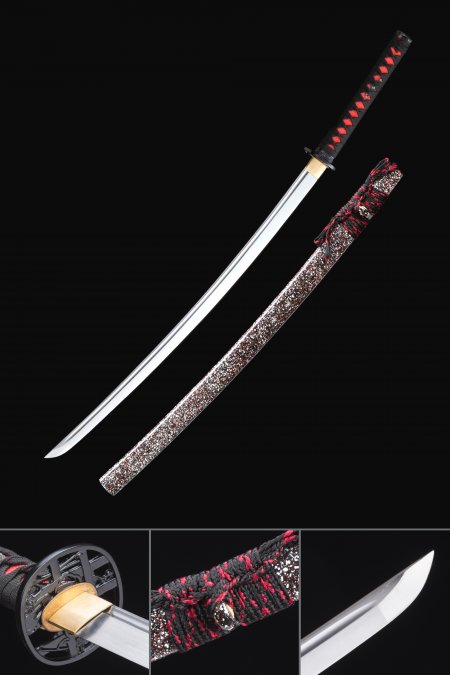
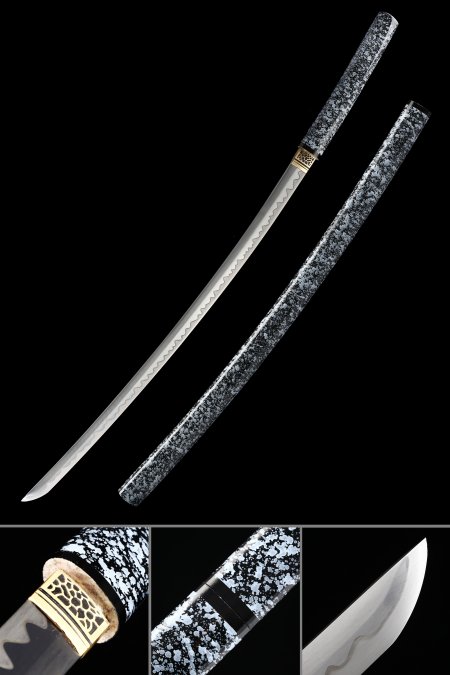
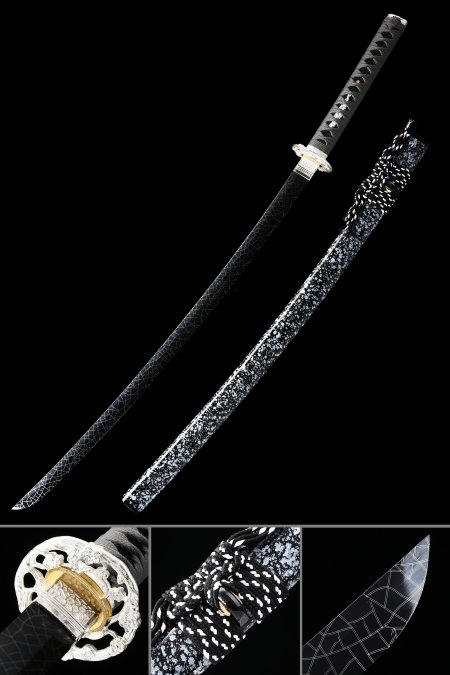
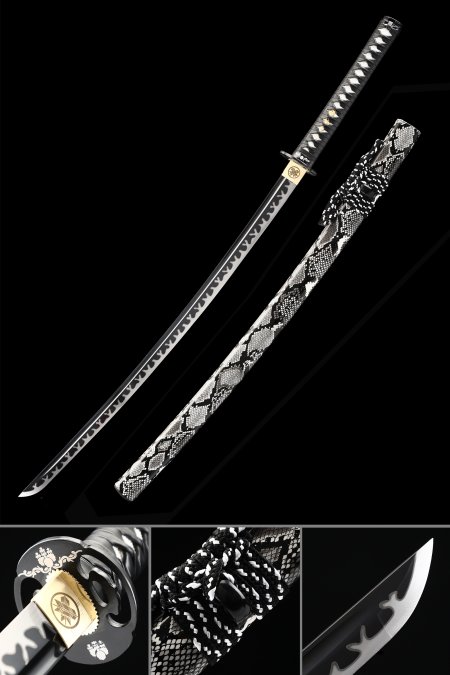
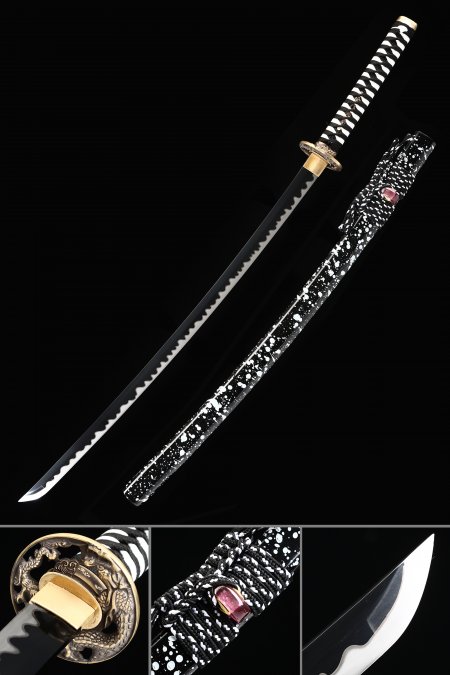
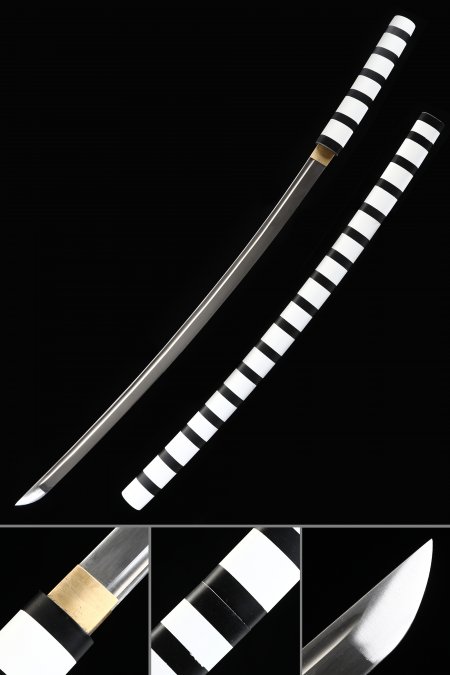
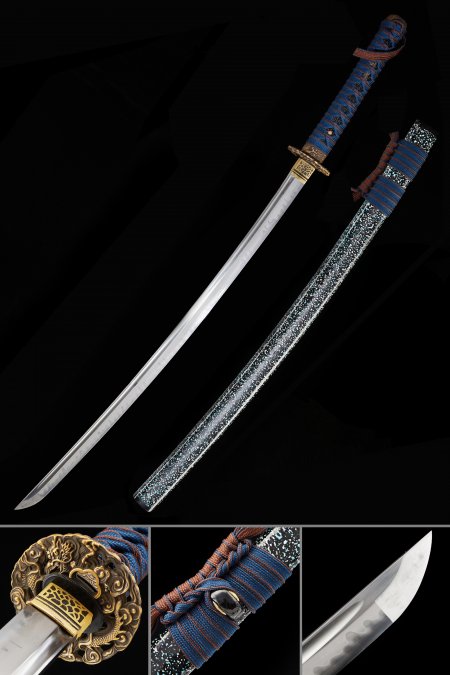
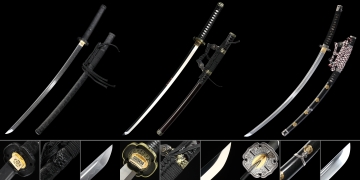
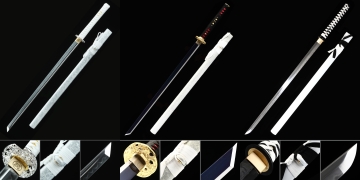
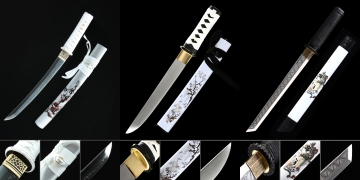
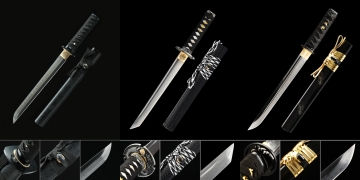
The Black & White Saya Katana collection brings together hand-forged blades paired with striking monochrome scabbards - from crackle-lacquer finishes and marble patterns to python-textured and striped designs. Each piece is crafted from quality steel such as 1045 carbon, high manganese, spring steel, or Damascus, and finished with thoughtfully matched fittings including dragon tsuba, pearl rayskin, and ornate ito wraps. Every katana ships free and is backed by our hassle-free return policy, so you can collect with complete confidence.
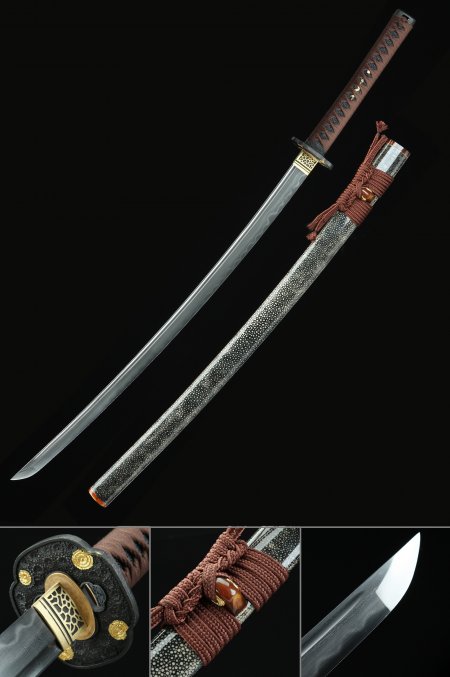
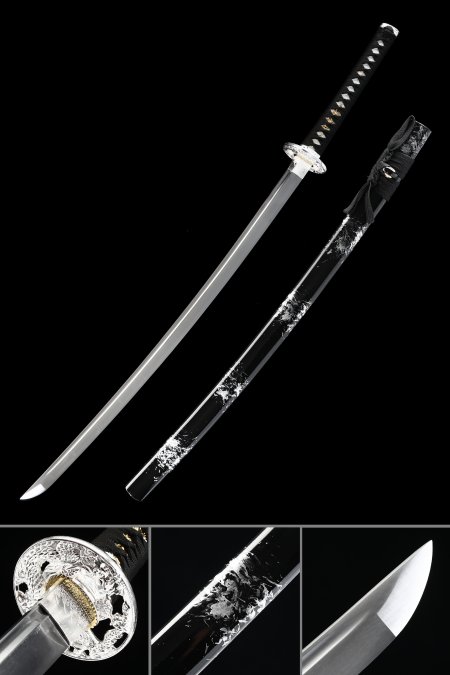
10/10 would recommend it took 2 weeks but it’s worth it
 |
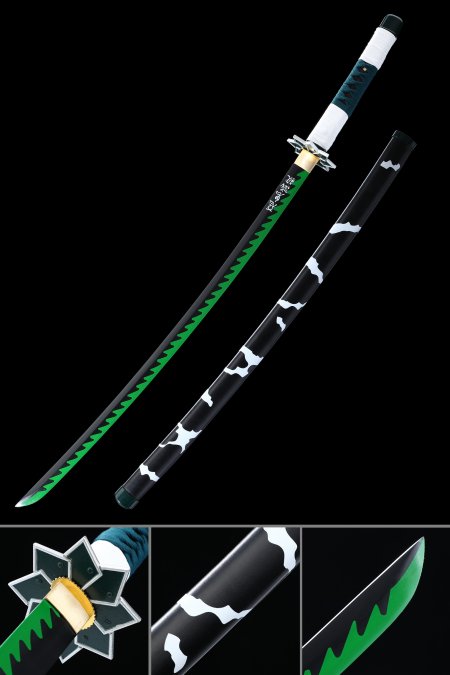
Sanemi Shinazugawa Sword - Kimetsu No Yaiba Wind Hashira Nichirin, 1045 Carbon Steel, Green Tsuba |
What a wonderful gift chosen for my grandson. His smile speak the million words of the detailed craftsmanship of the sword to the life time of memory of having this beautiful piece of art.
 |
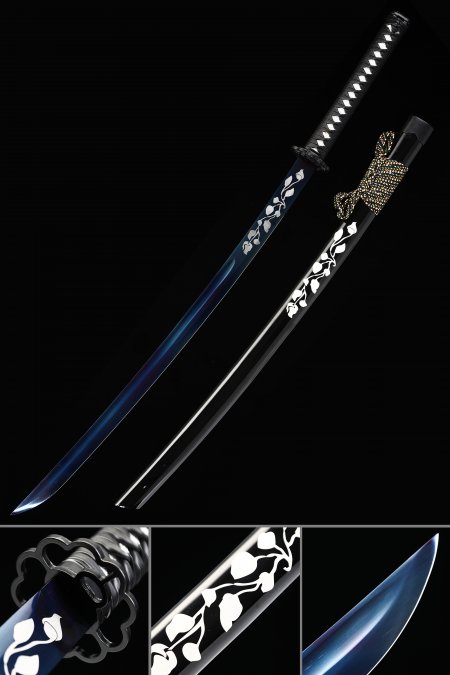
Manganese Steel Blue Blade Katana with White Vine Saya and Flower Tsuba - Full Tang Collectible Sword |
awesome! fast shipping and great quality so i highly recommend
|
Sanemi Shinazugawa Sword - Kimetsu No Yaiba Wind Hashira Nichirin, 1045 Carbon Steel, Green Tsuba |
I really like the sword it feels nice, both the sword and the sheath. However when I received the package the foam was slightly compromised and the sword pommel had a gouge in it from shipping.
|
Sanemi Shinazugawa Sword - Kimetsu No Yaiba Wind Hashira Nichirin, 1045 Carbon Steel, Green Tsuba |
So, I ordered a Wakizashi, together with this absolute beautiful Katana, and they arrived today.r
r
I had a complaint about the Wakizashi, so that the TK-Team handled it a way, with that I am quite happy... so the customer-service is pretty super, as these guys take their Stuff serious.r
r
r
The Tsuka of the Katana is absolutely astonishing... upon holding it firmly, I get better grip than with other swords I tested, so I was positively surprised. The Blade itself is absolutely beautiful... it was a present for me father, and he is crazy about it as I am.r
r
Very good quality, feels just qualitatively very good... so I can only recommend it : )
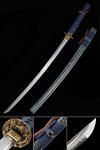 |
T10 Steel Katana with Dragon Tsuba in Gold - Blue Cord Handle & Speckled Saya |
It’s super cool to own and I’d definitely order another one
|
Sanemi Shinazugawa Sword - Kimetsu No Yaiba Wind Hashira Nichirin, 1045 Carbon Steel, Green Tsuba |
Sword is awesome and got here in a good amount of time, just my sword came and was a little bent at the edge to the side, but overall awesome
|
Manganese Steel Blue Blade Katana with White Vine Saya and Flower Tsuba - Full Tang Collectible Sword |
fast delivery yo Thailand ,my son loves it just played fruit ninja . Quality product!!!!
|
Sanemi Shinazugawa Sword - Kimetsu No Yaiba Wind Hashira Nichirin, 1045 Carbon Steel, Green Tsuba |