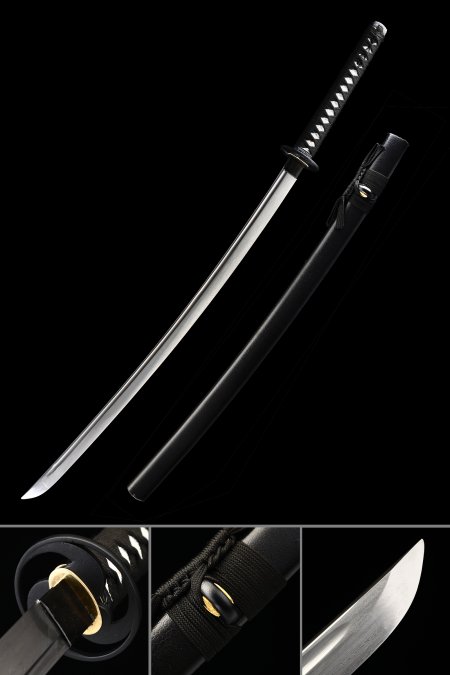
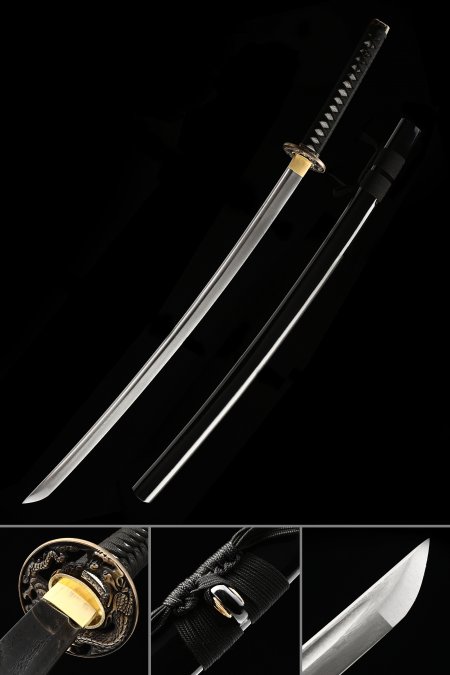
What makes Damascus steel visually distinct from other blade types?

 Updated Mar 2026

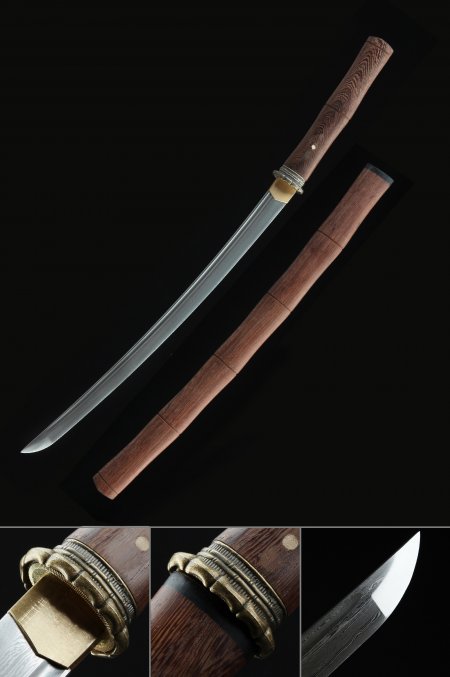
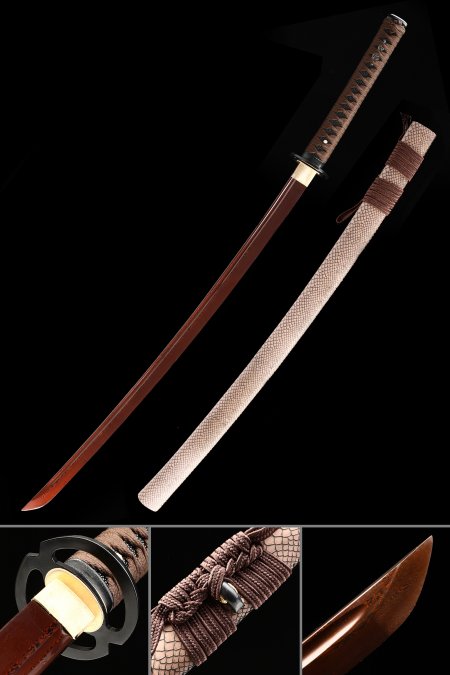
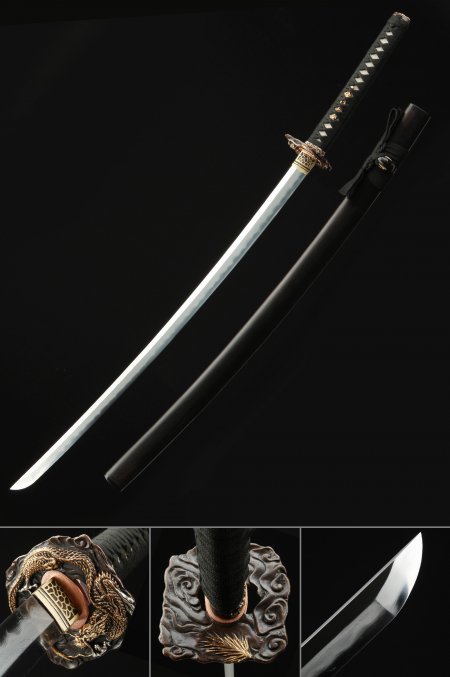
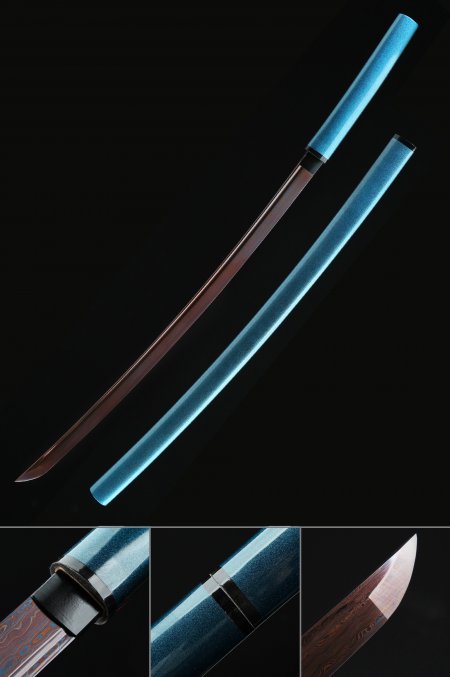
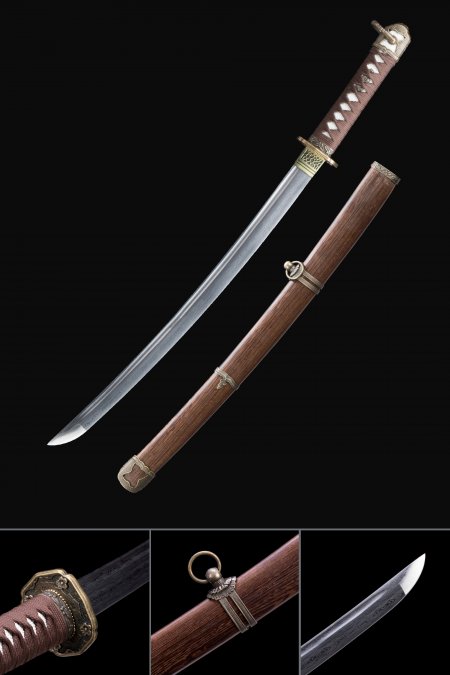
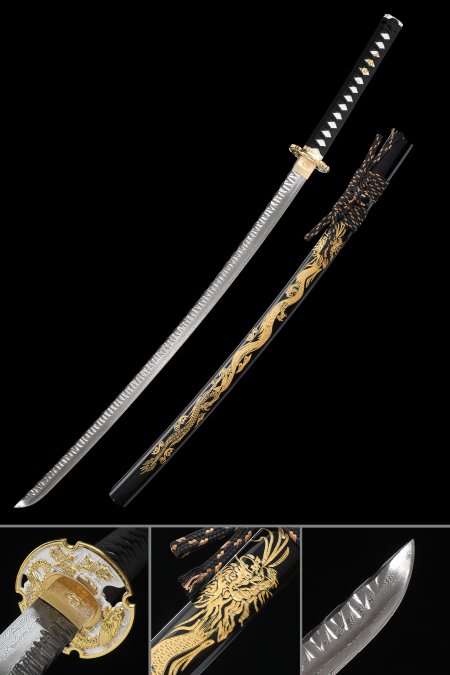
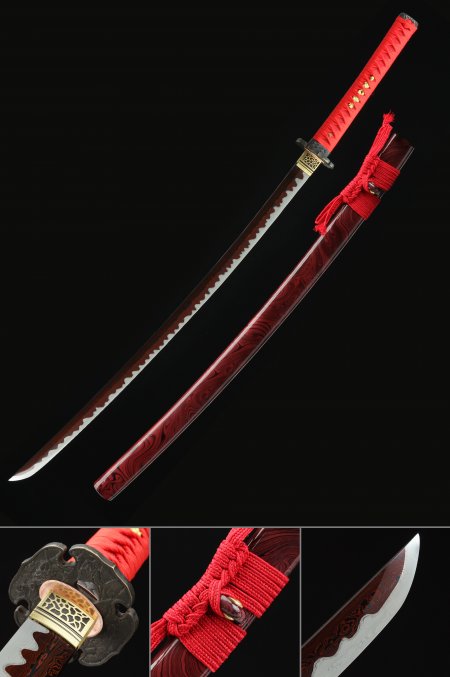
Damascus — or pattern-welded — steel is produced by forge-welding multiple layers of steel together, then repeatedly folding and drawing out the billet. The varying carbon content between layers creates micro-structural differences that, after acid etching, appear on the blade surface as flowing, wavy grain patterns. No two blades produce an identical pattern, which is the central appeal for collectors. On black-finish Damascus wakizashi specifically, the etching is deepened and the surface sometimes treated with controlled oxidation, creating higher contrast between light and dark bands. Under directional lighting, the grain appears to shift and move — a quality that makes these blades particularly suited to lit display cases.
Popular Products

20% OFFmodern wakizashi
209.00 USD
259.00 USD
15% OFFshort katana
199.00 USD
239.00 USD
15% OFFkatana sword
199.00 USD
239.00 USD
20% OFFsamurai sword
289.00 USD
359.00 USD
15% OFFww2 wakizashi
169.00 USD
199.00 USD
20% OFFjapanese katana
229.00 USD
289.00 USD
20% OFFdamascus katana
619.00 USD
769.00 USD
15% OFFreal katana
649.00 USD
769.00 USD
20% OFFdamascus katana
279.00 USD
349.00 USD
20% OFFdamascus katana
309.00 USD
389.00 USD
15% OFFshikomizue sword
229.00 USD
269.00 USD
15% OFFblack katana
179.00 USD
209.00 USD
20% OFFmodern wakizashi
209.00 USD
259.00 USD
15% OFFshort katana
199.00 USD
239.00 USD
15% OFFkatana sword
199.00 USD
239.00 USD
20% OFFsamurai sword
289.00 USD
359.00 USD
15% OFFww2 wakizashi
169.00 USD
199.00 USD
20% OFFjapanese katana
229.00 USD
289.00 USD
20% OFFdamascus katana
619.00 USD
769.00 USD
15% OFFreal katana
649.00 USD
769.00 USD
20% OFFdamascus katana
279.00 USD
349.00 USD
20% OFFdamascus katana
309.00 USD
389.00 USD
15% OFFshikomizue sword
229.00 USD
269.00 USD
15% OFFblack katana
179.00 USD
209.00 USD

Explore Our Collections