What makes 1095 carbon steel a preferred choice for collectible katanas?
Updated Mar 2026
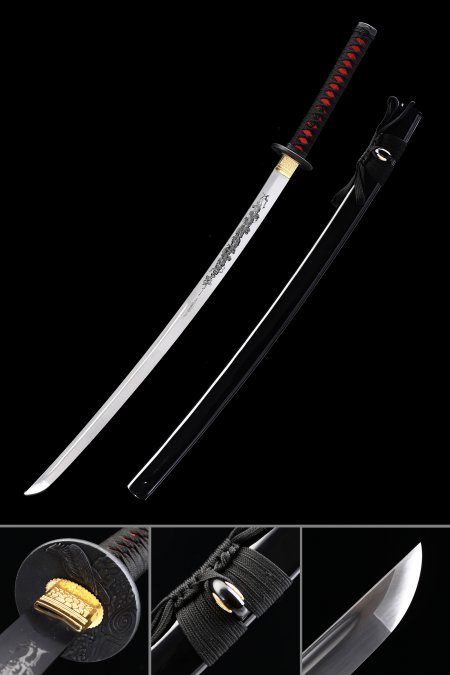
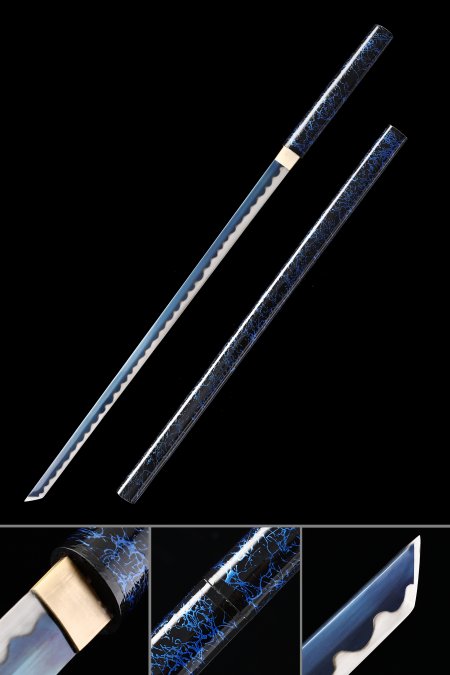
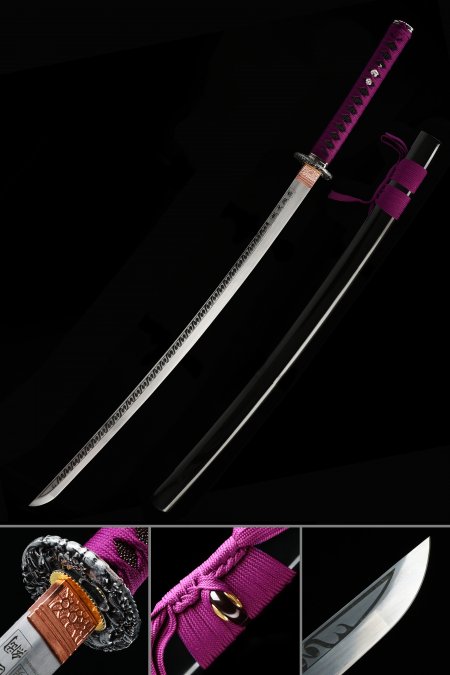
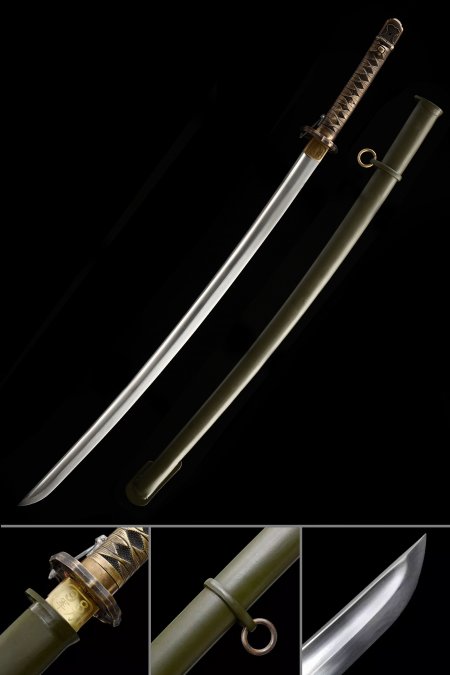
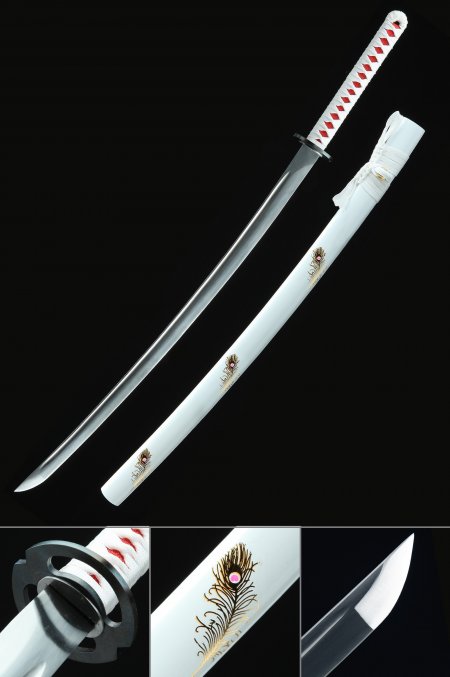
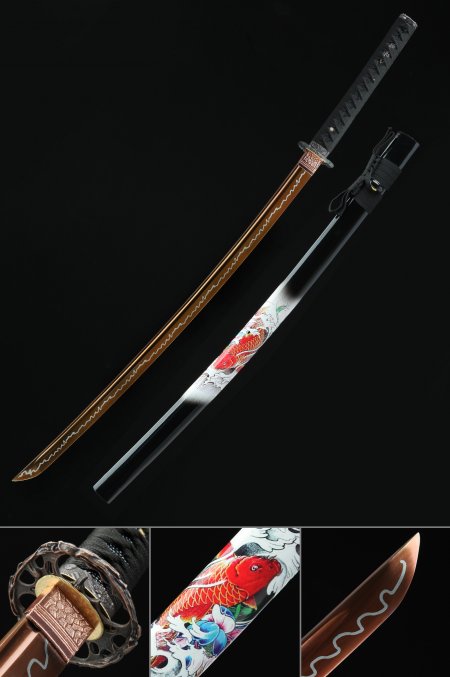
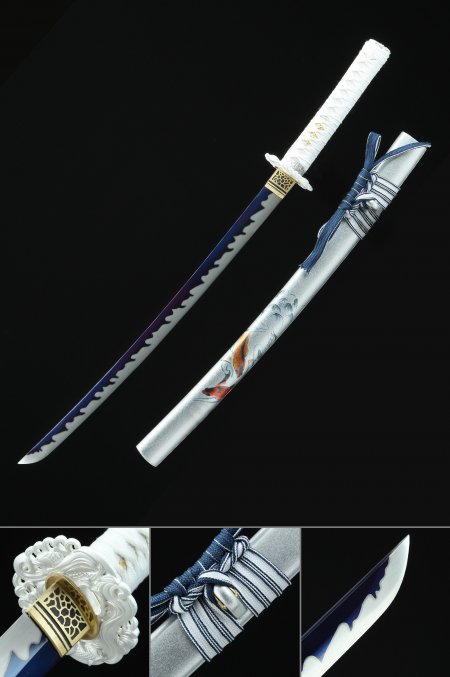
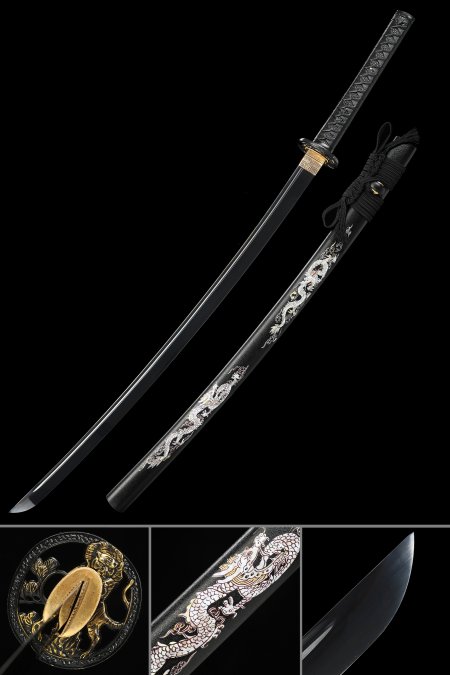
1095 carbon steel contains roughly 0.95% carbon, placing it at the upper range of plain carbon steels. This carbon level is ideal for differential clay tempering - the traditional Japanese process that produces a real, metallurgically formed hamon along the blade. The resulting edge zone develops a martensitic microstructure that holds a clean, defined sharpness, while the softer spine remains resilient. For collectors, 1095 offers an authentic connection to historical sword-making technique that lower-carbon steels simply cannot replicate. The hamon on each blade is unique, making every piece genuinely one-of-a-kind rather than a visually uniform production item.