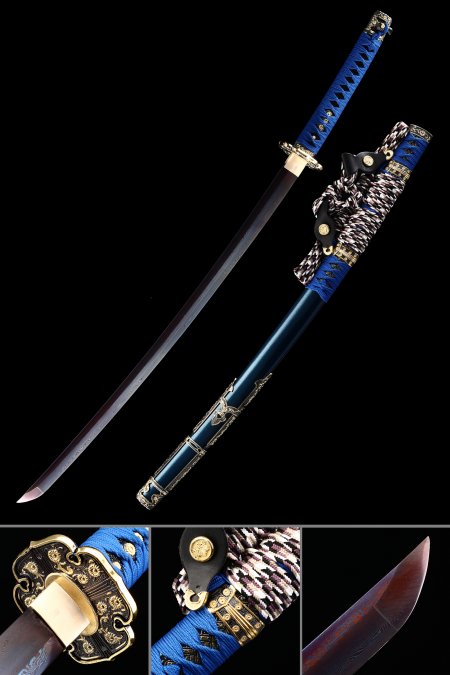
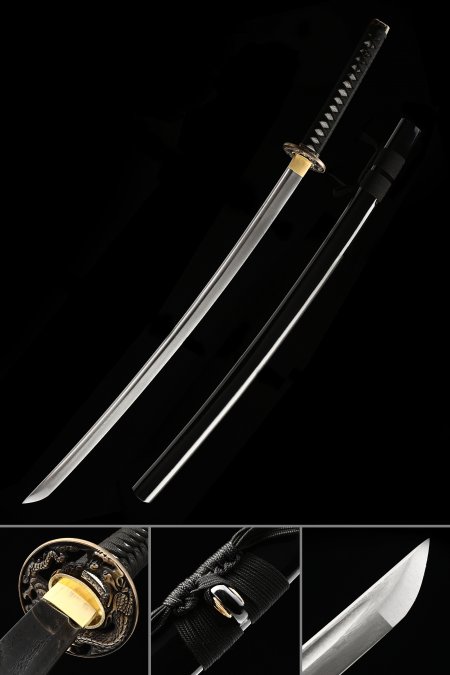
What makes Damascus steel visually distinct on a katana?

 Updated Mar 2026

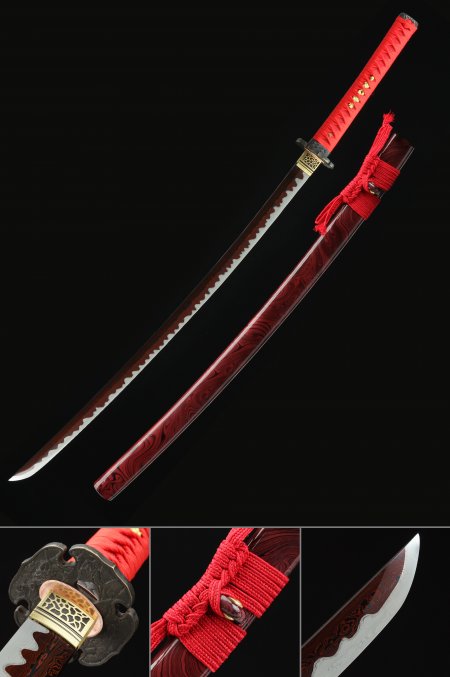
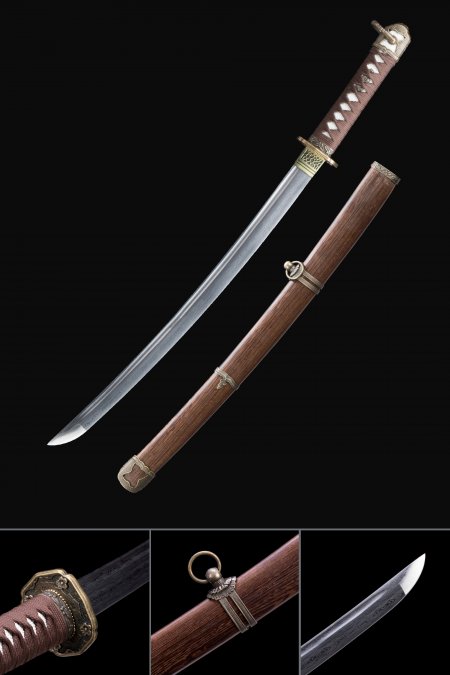
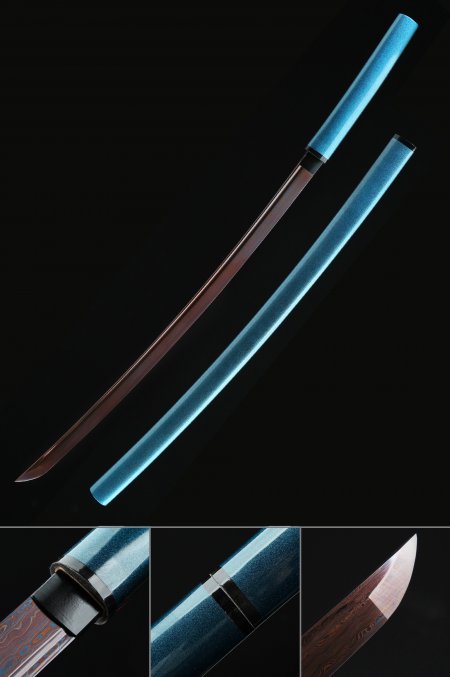
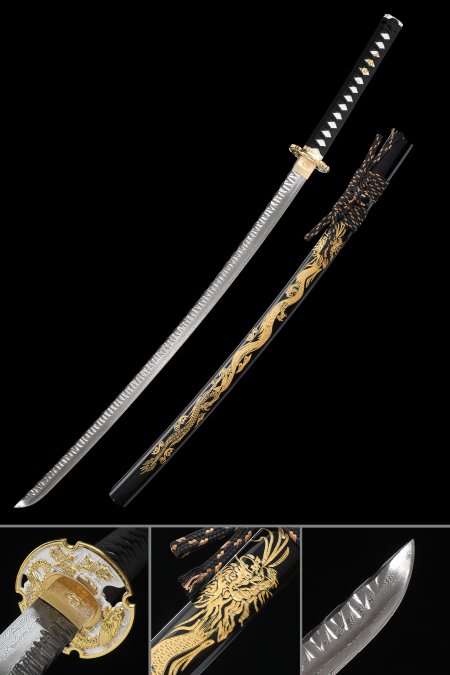
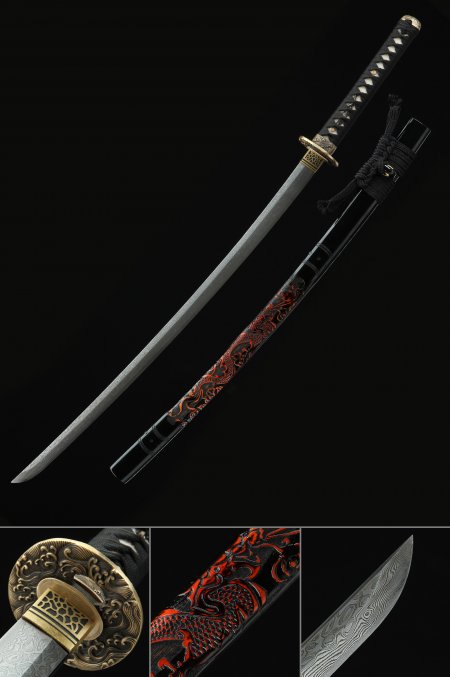
Damascus steel is produced by layering two or more types of high-carbon steel, then repeatedly folding, drawing, and welding the billet. As the layers multiply, distinct grain patterns emerge across the blade's surface - commonly described as water-grain, ladder, or teardrop patterns depending on how the billet was manipulated before final shaping. When the finished blade is acid-etched, these contrasting layers react differently to the etch, making the pattern visible as a swirling or flowing design. No two Damascus blades produce an identical pattern, which is a significant part of their appeal to collectors. The surface effect is purely a result of the steel's construction, not applied decoration, which means it remains a permanent feature of the blade rather than a finish that can wear away.
Popular Products

15% OFFshort katana
199.00 USD
239.00 USD
20% OFFjapanese katana
229.00 USD
289.00 USD
20% OFFdamascus katana
329.00 USD
409.00 USD
15% OFFww2 wakizashi
169.00 USD
199.00 USD
15% OFFshirasaya katana
209.00 USD
249.00 USD
20% OFFdamascus katana
279.00 USD
349.00 USD
15% OFFshikomizue sword
229.00 USD
269.00 USD
15% OFFblack katana
179.00 USD
209.00 USD
20% OFFdamascus katana
619.00 USD
769.00 USD
20% OFFdamascus katana
309.00 USD
389.00 USD
20% OFFtachi sword
249.00 USD
309.00 USD
20% OFFblack katana
159.00 USD
199.00 USD
15% OFFshort katana
199.00 USD
239.00 USD
20% OFFjapanese katana
229.00 USD
289.00 USD
20% OFFdamascus katana
329.00 USD
409.00 USD
15% OFFww2 wakizashi
169.00 USD
199.00 USD
15% OFFshirasaya katana
209.00 USD
249.00 USD
20% OFFdamascus katana
279.00 USD
349.00 USD
15% OFFshikomizue sword
229.00 USD
269.00 USD
15% OFFblack katana
179.00 USD
209.00 USD
20% OFFdamascus katana
619.00 USD
769.00 USD
20% OFFdamascus katana
309.00 USD
389.00 USD
20% OFFtachi sword
249.00 USD
309.00 USD
20% OFFblack katana
159.00 USD
199.00 USD

Explore Our Collections