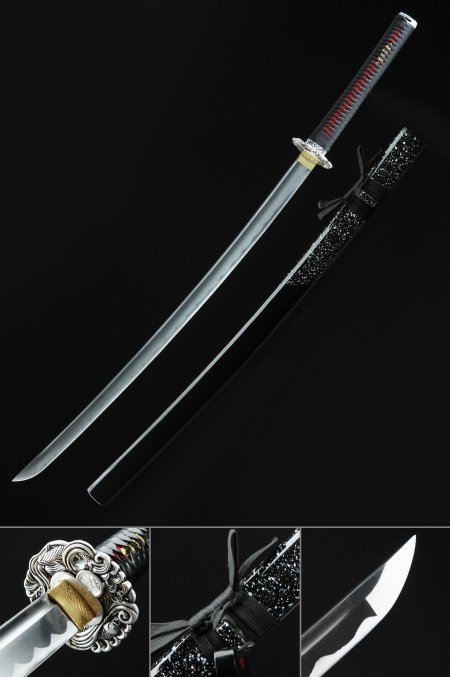
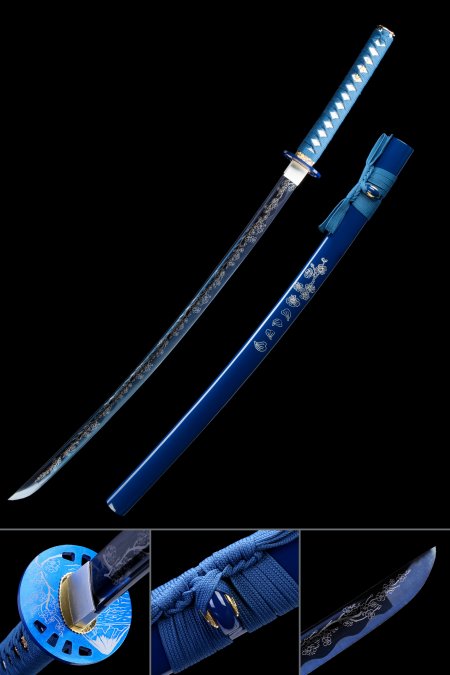
What does the chrysanthemum symbol mean on Japanese blade fittings?
Updated Mar 2026
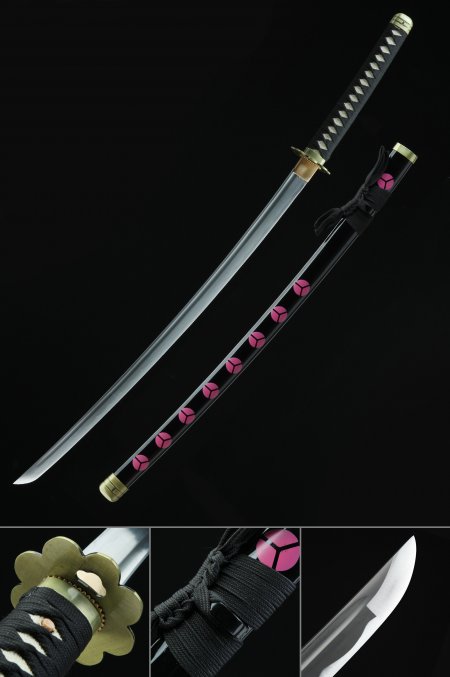
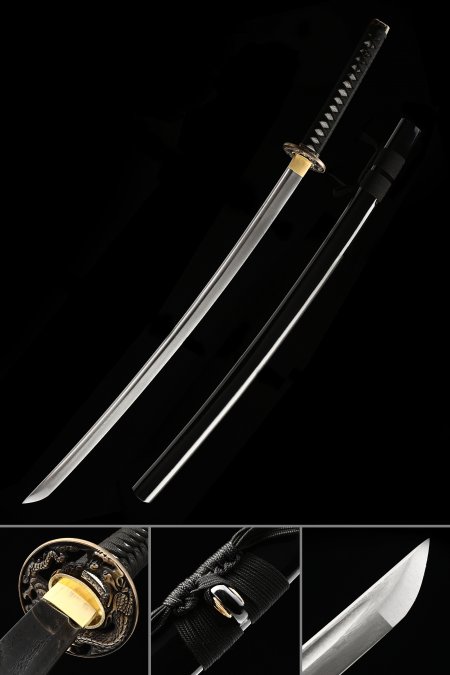
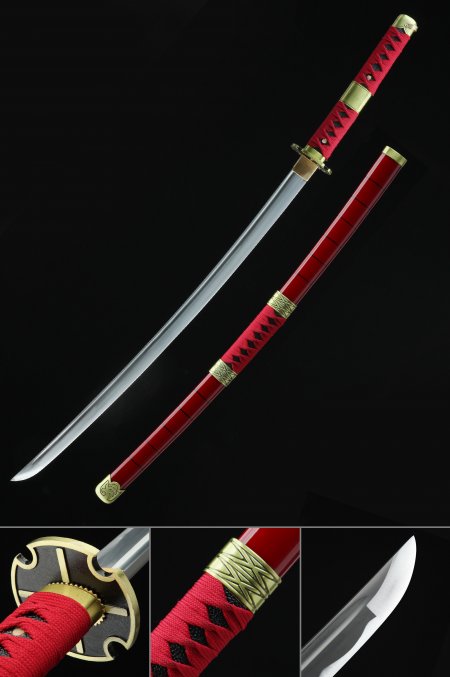
The chrysanthemum - kiku - has carried imperial significance in Japan since at least the early 13th century, when Emperor Go-Toba adopted the sixteen-petal form as a personal emblem. Over subsequent centuries, the motif became associated with authority, longevity, and ceremonial distinction, appearing across lacquerware, textiles, and blade fittings. On tsuba specifically, a chrysanthemum rendering indicated prestige-level koshirae - the full set of fittings accompanying a blade. For modern collectors, pieces featuring this motif carry that historical visual language, making them particularly meaningful as display objects rather than generic decorative items. The symbolic weight of the design adds a layer of cultural context that elevates these pieces beyond their material construction alone.