How does Damascus pattern steel differ from T10 on a naginata?
Updated Mar 2026
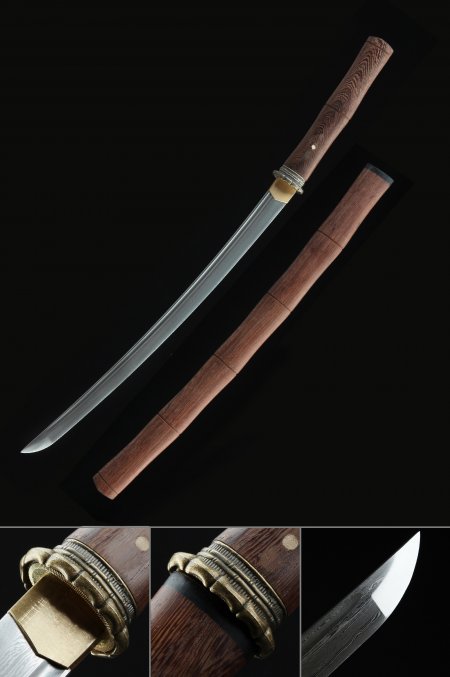
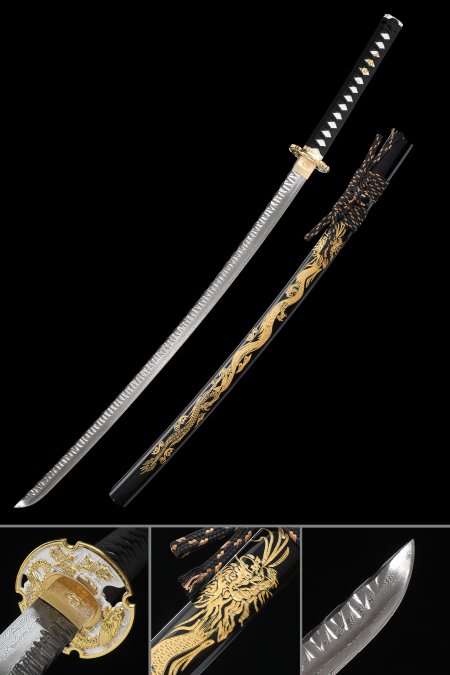
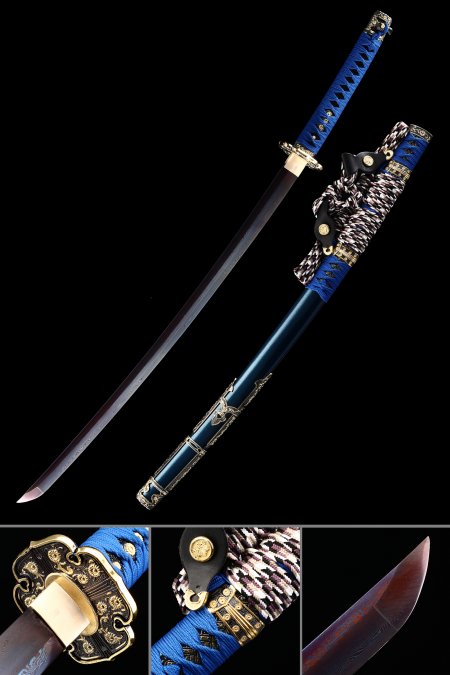
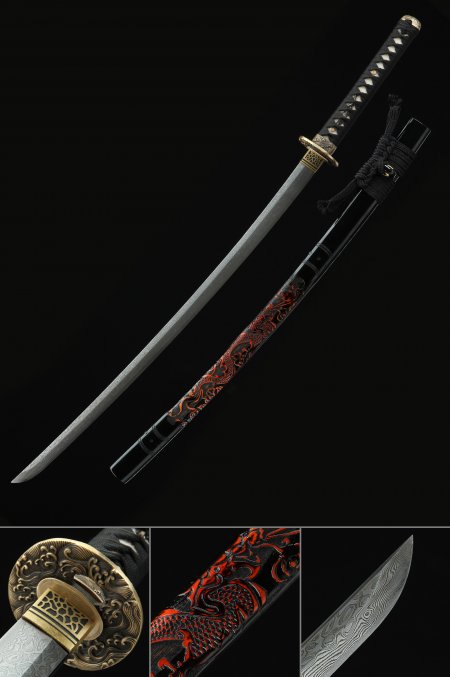
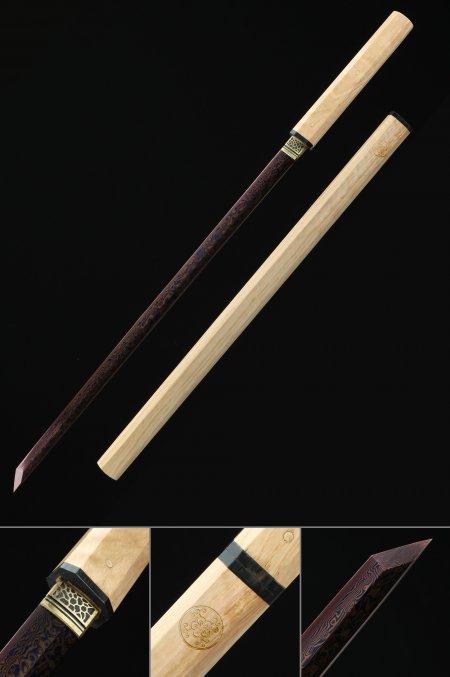
Damascus pattern-welded steel is created by forge-welding multiple steel alloys together, then repeatedly folding and drawing out the billet. The contrasting carbon content of each layer produces the flowing, wood-grain or water-wave surface patterns visible after etching. T10, by contrast, is a single high-carbon tool steel prized for its fine grain structure and responsiveness to clay tempering. Damascus excels in surface visual complexity and the organic uniqueness of its pattern, while T10 excels in producing a clearly defined, authentic hamon with visible crystalline activity. For a collector choosing between the two, Damascus tends to prioritize aesthetic surface drama, while a T10 clay-tempered piece prioritizes the technical authenticity of traditional Japanese heat-treatment craft.