What makes a tachi different from a katana in terms of design?
Updated Mar 2026
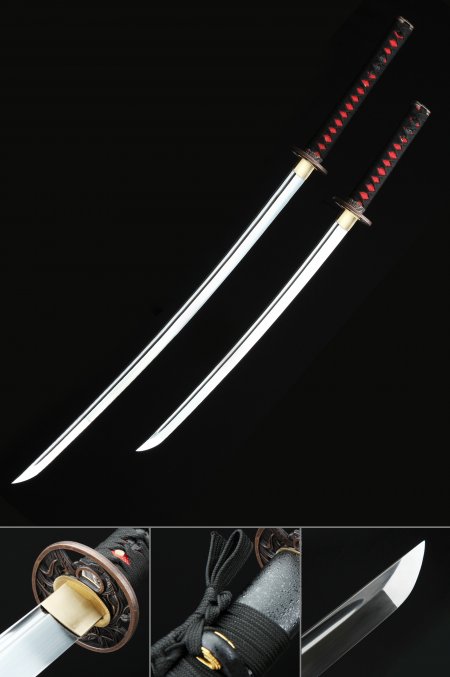
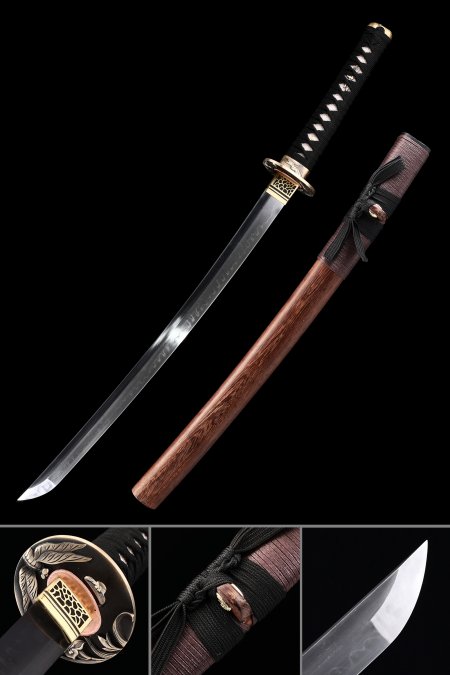
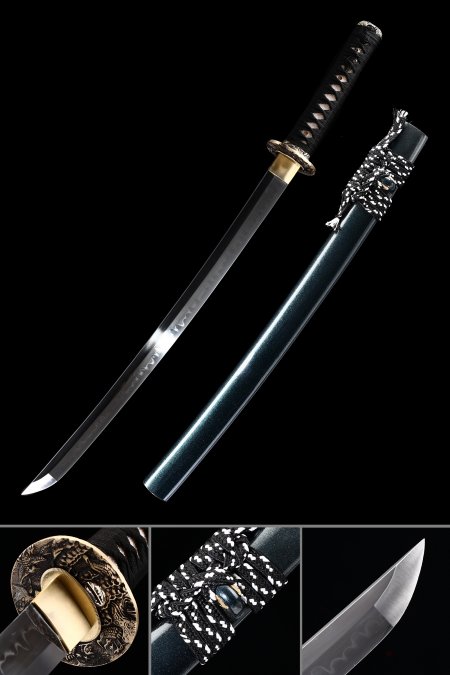
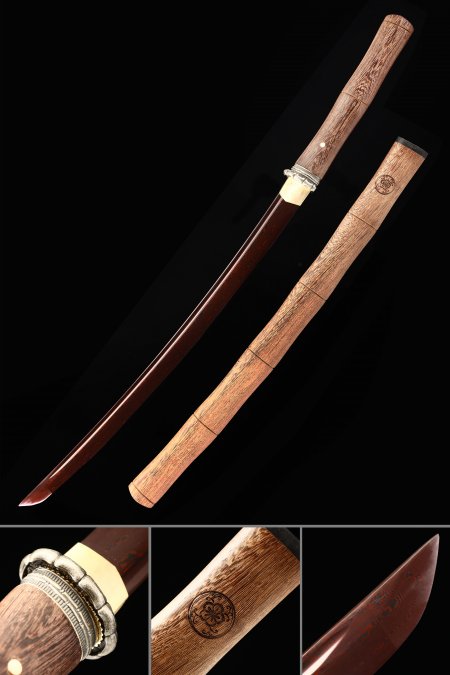
The tachi predates the katana by several centuries and differs in a few measurable ways. Tachi blades are typically longer — often exceeding 70 cm in nagasa — and carry a more pronounced curvature (sori) concentrated toward the base of the blade rather than the center. They were historically worn edge-down suspended from the belt, while katana were thrust through the belt edge-up. This difference in carry orientation directly influenced blade geometry: the deeper curve of a tachi was optimized for a drawing motion from horseback. On a display stand, the tachi's longer, more dramatically curved silhouette gives it an unmistakably classical presence that distinguishes it clearly from a katana or wakizashi.