What is the difference between a wakizashi and a katana?
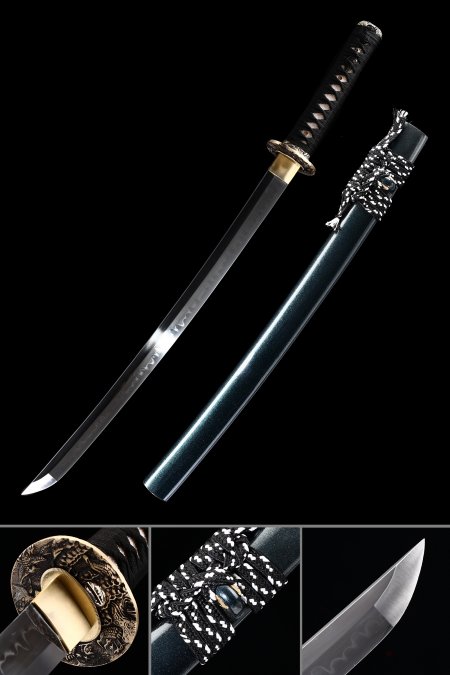
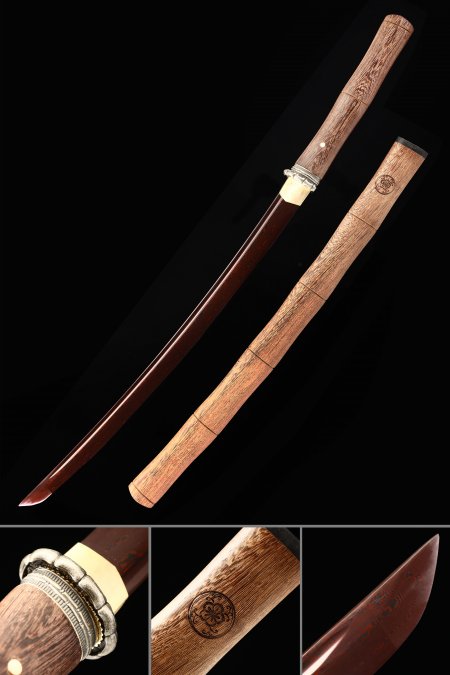
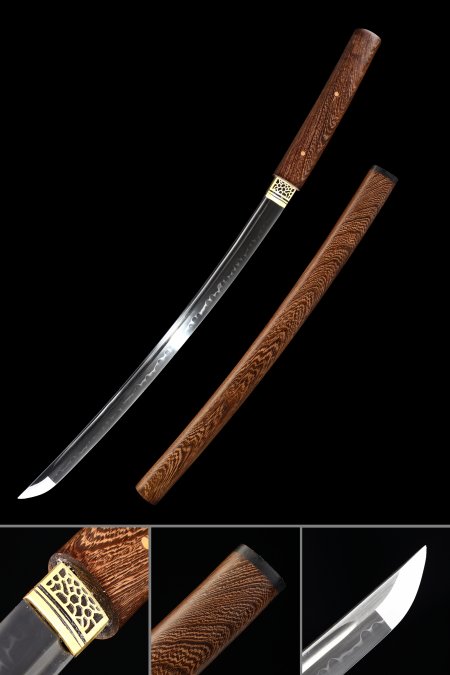
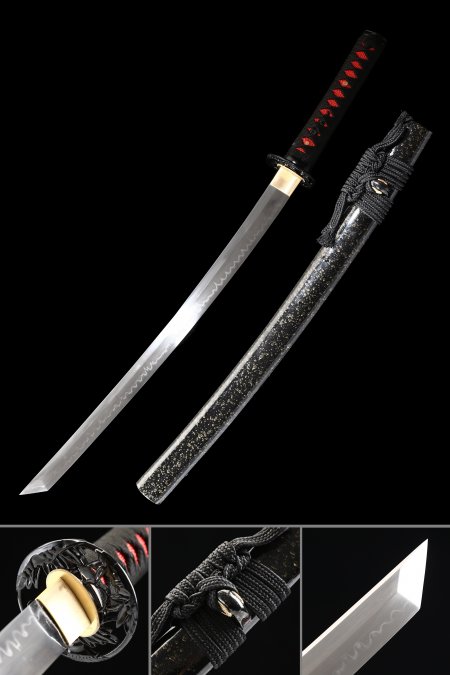
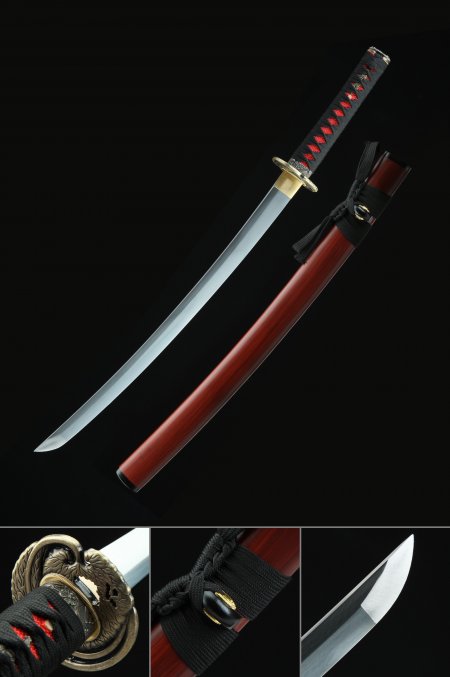
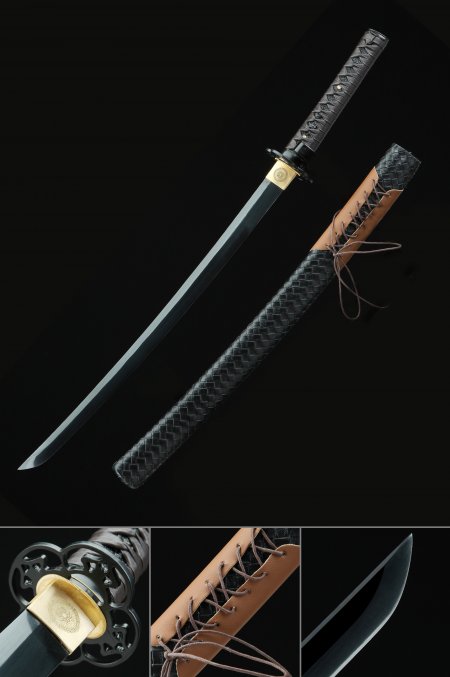
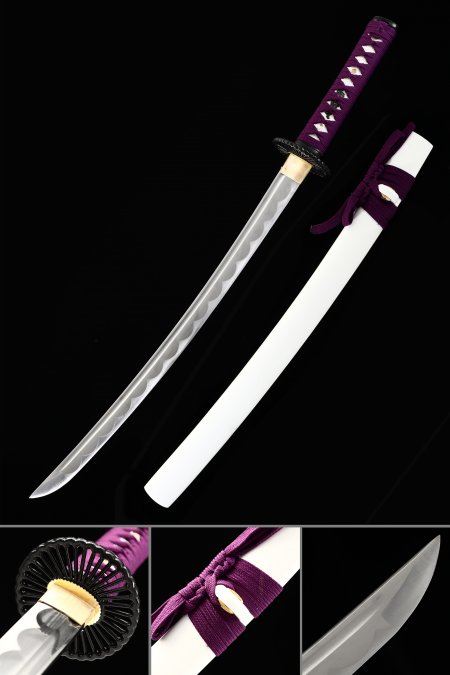
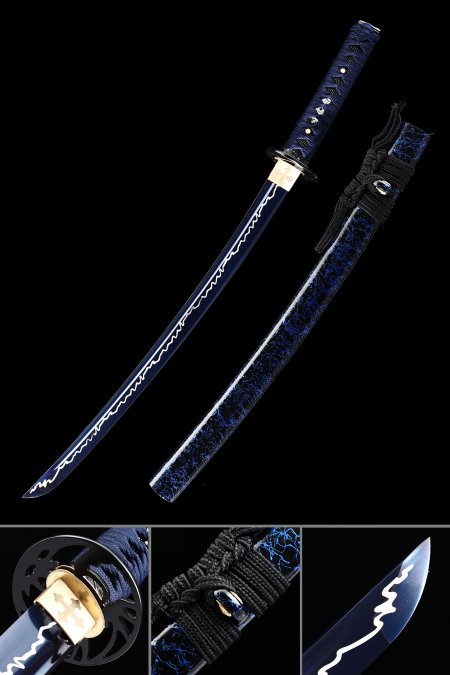
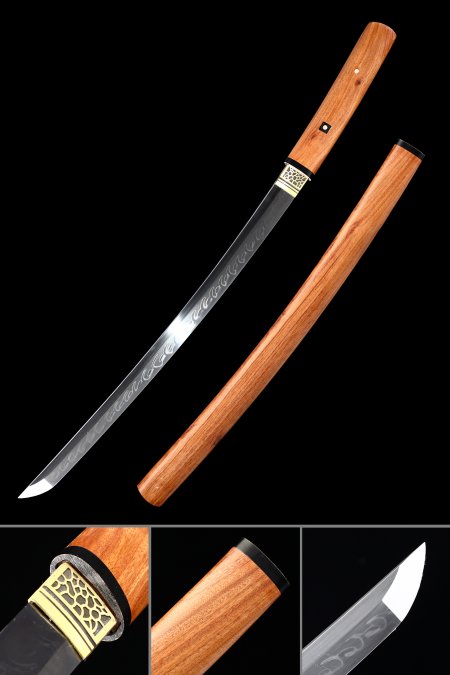
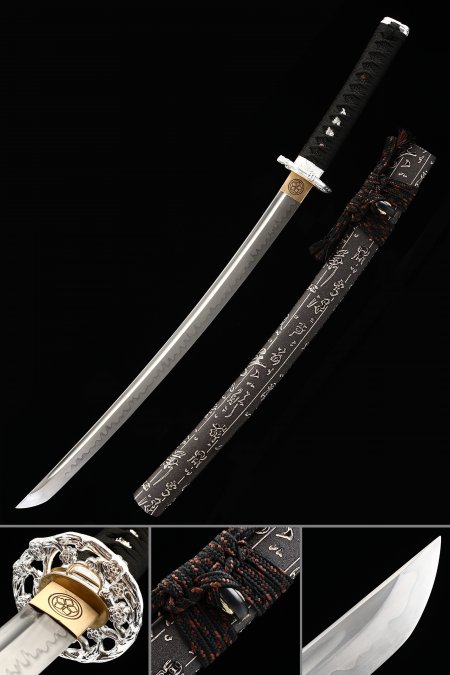
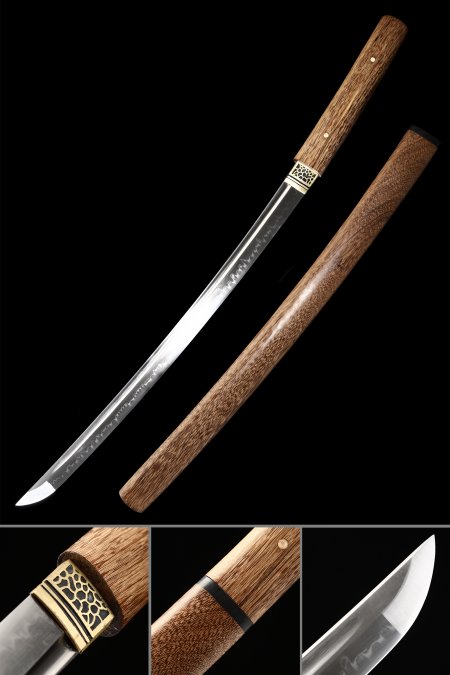
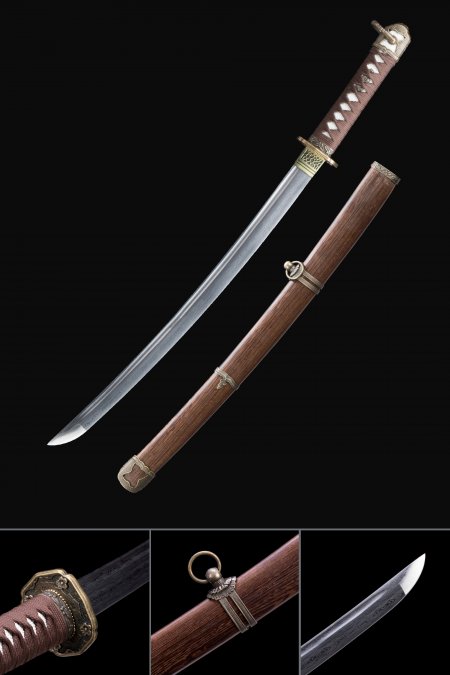
The fundamental difference is blade length: a katana has a blade of 60 centimeters or longer, while a wakizashi blade falls between 30 and 60 centimeters. This isn't just a sizing distinction — it changes how the sword handles, what it's used for, and how it's carried. A katana is a two-handed weapon optimized for open-space combat with sweeping cuts and powerful strikes, while a wakizashi is lighter, faster to draw, and designed for one-handed use in confined spaces where a katana's length becomes a disadvantage. In terms of construction, both swords use identical forging methods, steel types, and mounting styles — a wakizashi is essentially a scaled-down katana with the same curvature profile, the same tang construction, the same tsuba-guard-grip assembly. The historical relationship between the two is inseparable: samurai wore them as the daisho pair, with the katana as the primary weapon and the wakizashi as the constant companion that never left the warrior's side. For collectors, the practical differences matter too — a wakizashi requires less display space, is easier to handle and draw for inspection, weighs less, and is typically more affordable in the same steel grade and finishing tier. Many collectors start with a katana and add a wakizashi later to complete a daisho pair, especially in a matching finish like all-black. If you're choosing between the two, consider starting with whatever fits your available display space, then expanding with a matched piece from the katana and wakizashi set collection when you're ready to pair them up.