How does clay tempering on 1095 steel produce different hamon results compared to the same process o
Updated Feb 2026
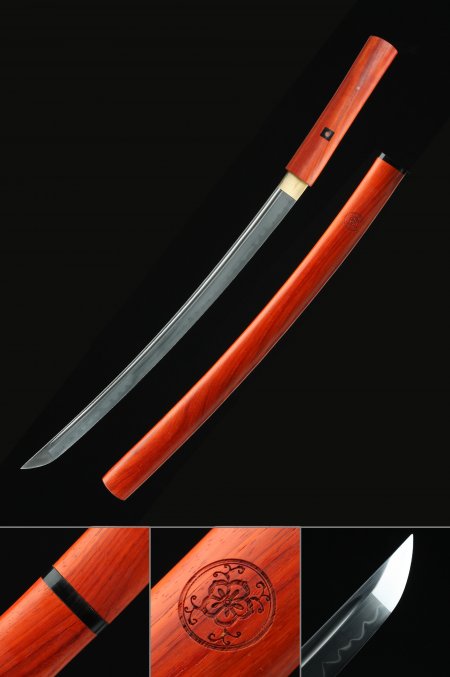
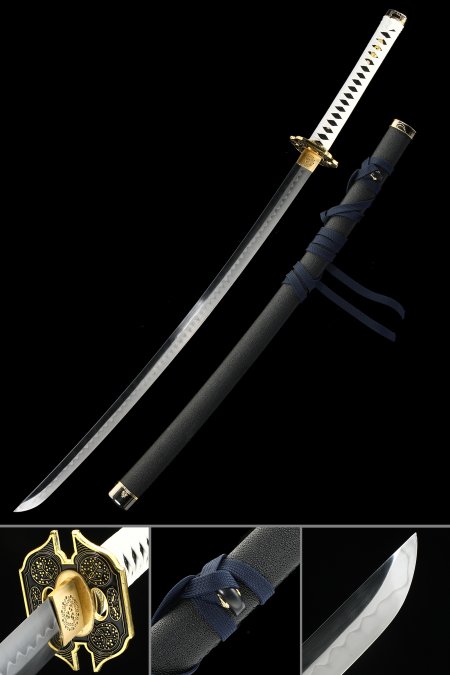
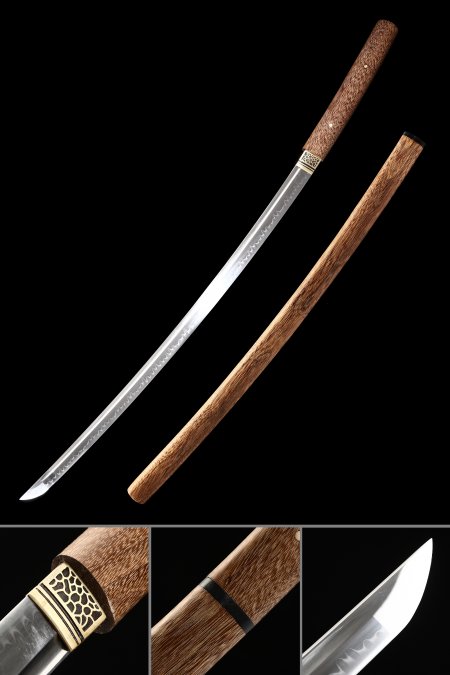
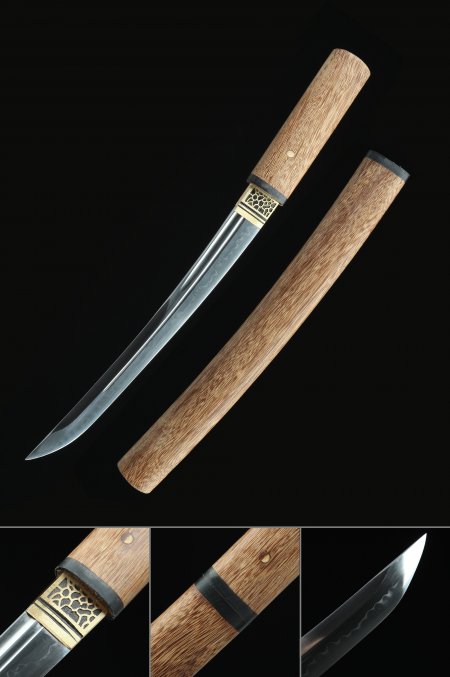
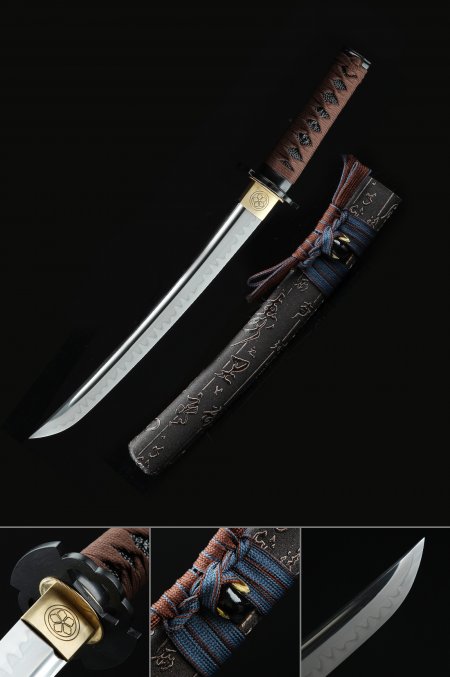
Clay tempering produces different hamon character on each steel due to their different carbon contents and alloy compositions. On 1095, the high carbon content (0.95 percent) creates a large volume of iron carbide during hardening, producing hamon with pronounced visual contrast between the hardened and unhardened zones. The boundary tends to be active and dramatic — with features like nioi (visible crystalline structures) and nie (individual bright particles) that Japanese sword connoisseurs prize highly. T10 steel contains tungsten in addition to carbon, which forms tungsten carbides alongside iron carbides during heat treatment. This creates hamon that are often subtler in boundary contrast but can show different textural qualities in the temper line itself. 1060, with significantly less carbon (0.60 percent), produces less dramatic hamon with softer boundary transitions because fewer carbides form during the process. The practical result is that 1095 with clay tempering creates the most visually dramatic and collector-valued hamon among our plain carbon steels, making it the ideal choice for collectors who prioritize temper line aesthetics.