What specific production steps are verified as handmade in this collection, and how can I confirm th
Updated Feb 2026
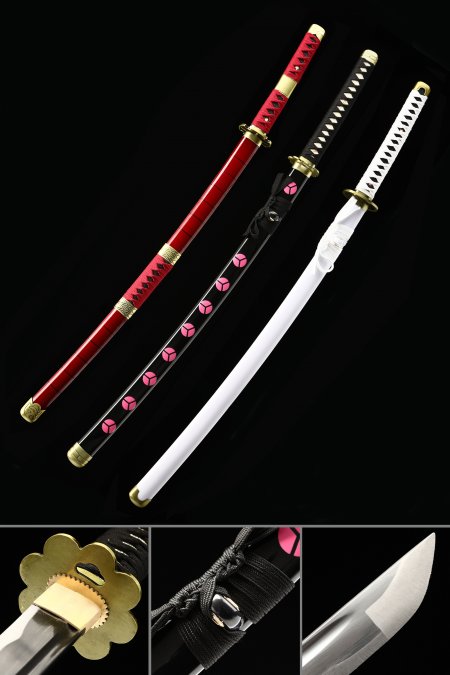
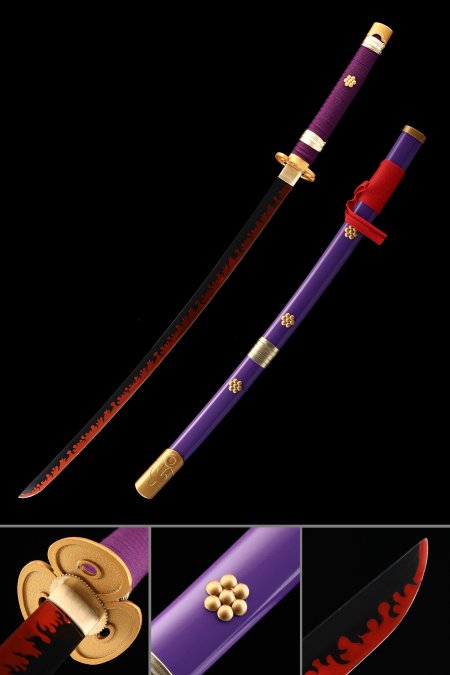
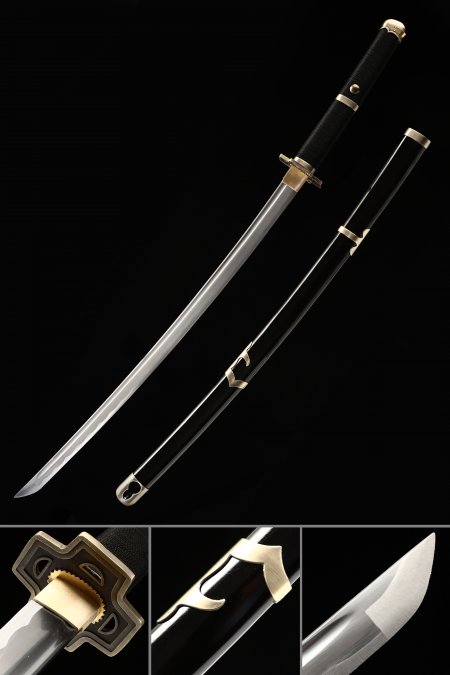
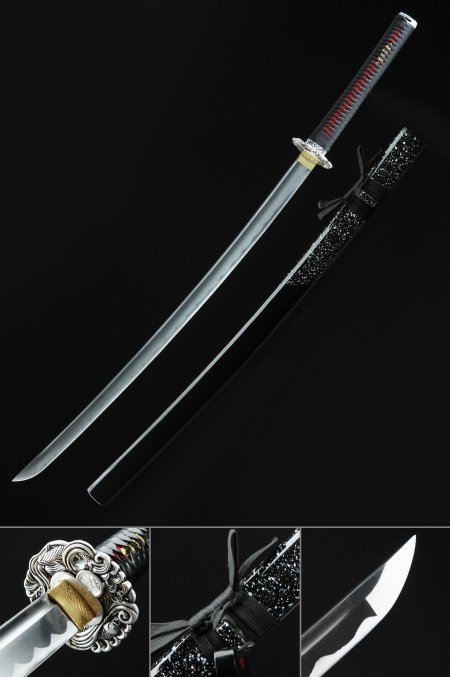
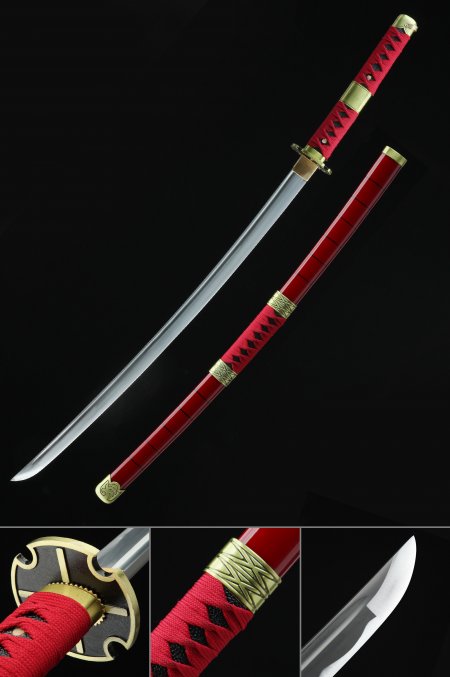
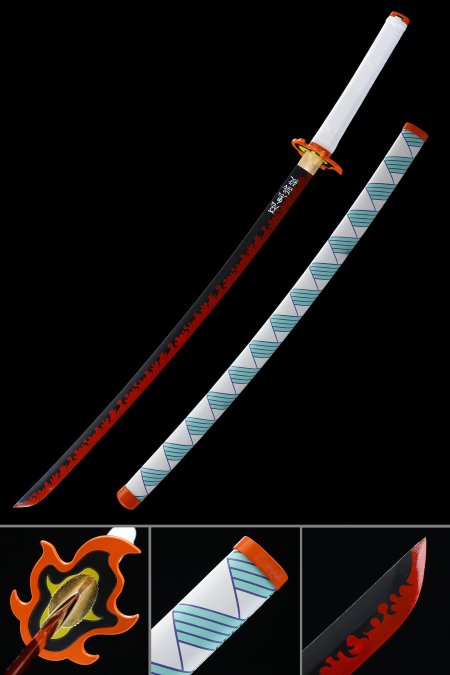
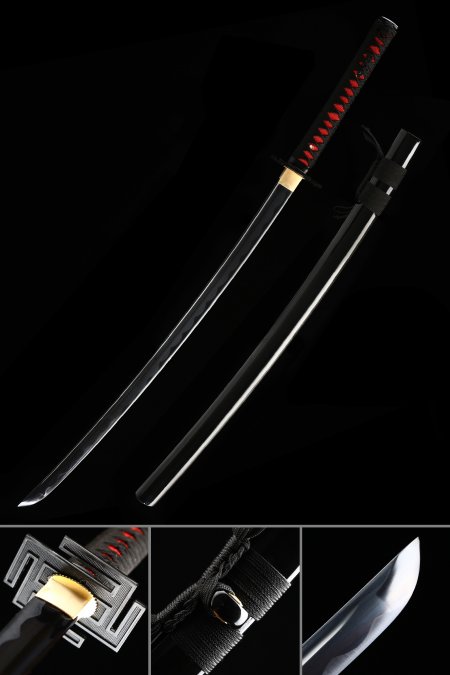
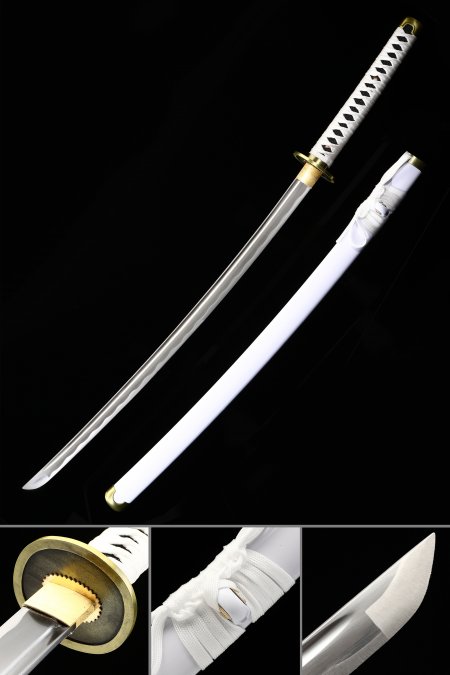
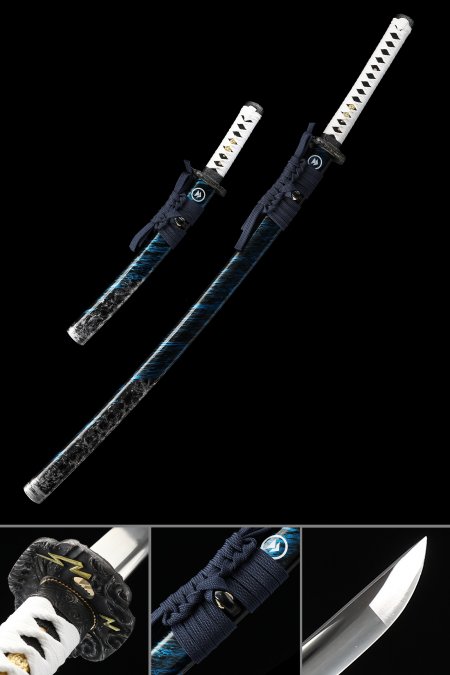
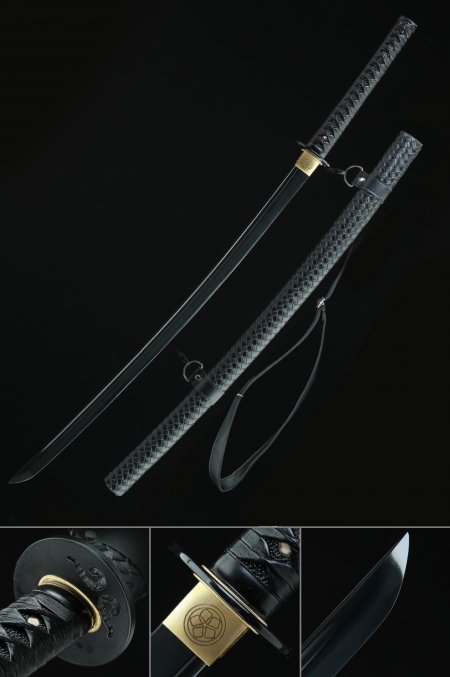
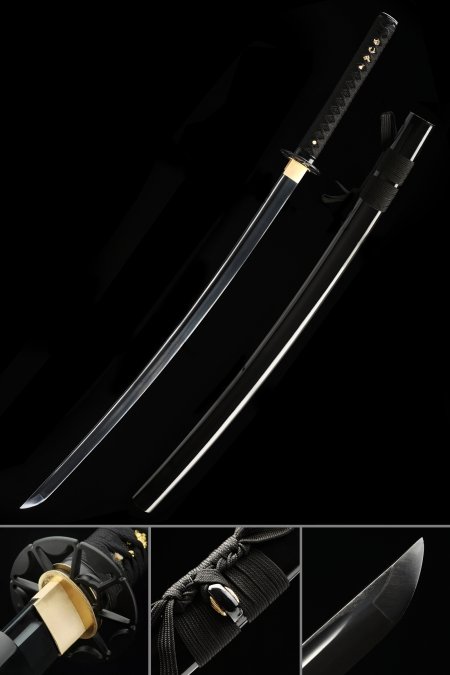
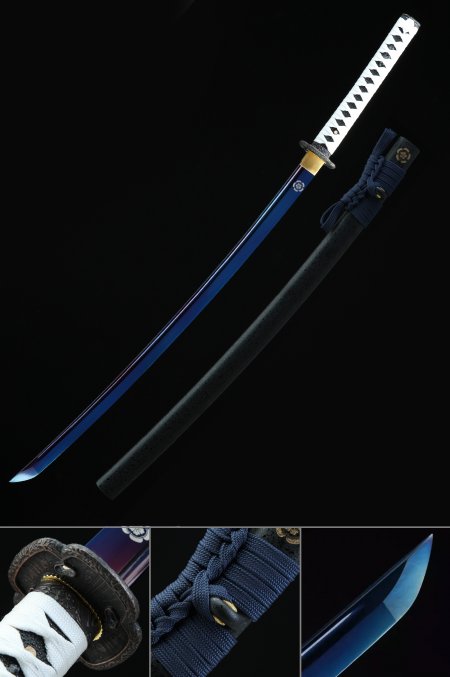
Handmade verification covers five critical production stages. First, blade forging: the steel billet is heated and shaped by hammer on an anvil, producing natural blade geometry with subtle thickness variations that distinguish it from machine-ground blanks. You can confirm this by examining the blade spine under strong side lighting — hand-forged blades show slight organic variations in spine width along the blade length. Second, heat treatment: the blade is individually clay-tempered and quenched, producing unique hamon patterns that prove individual treatment rather than batch processing. Third, handle assembly: components are individually fitted and adjusted to the specific blade, visible in how precisely the habaki collar seats against the blade shoulder with no gaps. Fourth, cord wrapping: the tsuka-ito handle cord is wrapped by hand, showing subtle tension variations at transition points that machine wrapping cannot produce. Fifth, edge sharpening: performed by hand on progressive whetstones, creating an edge with natural micro-geometry rather than the perfectly uniform bevel of machine grinding. Together, these five verified stages confirm genuine artisan production throughout.