What structural differences should collectors understand between straight and curved katana blade co
Updated Feb 2026
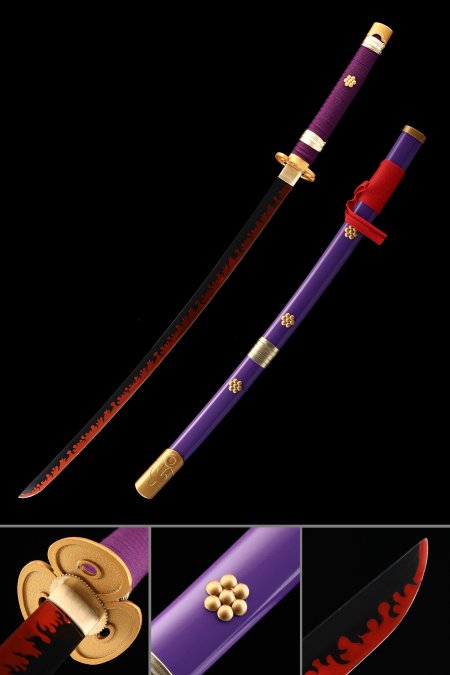
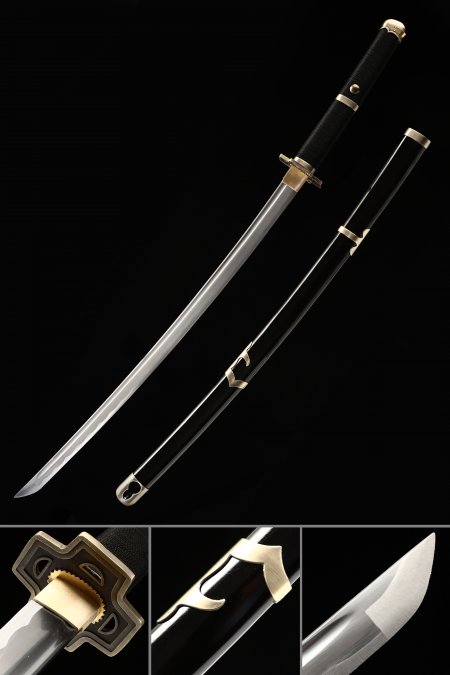
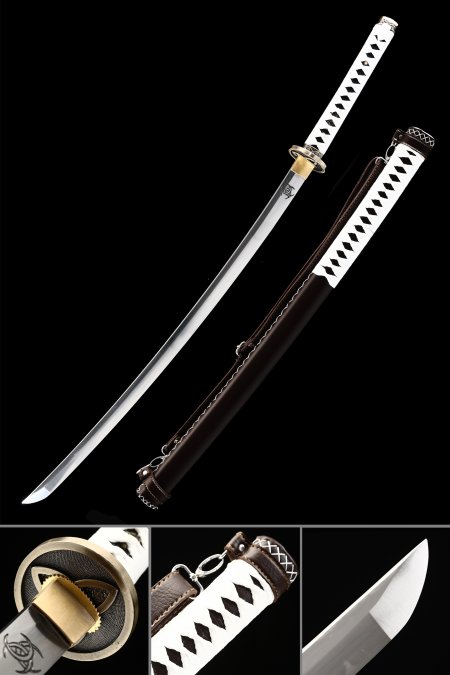
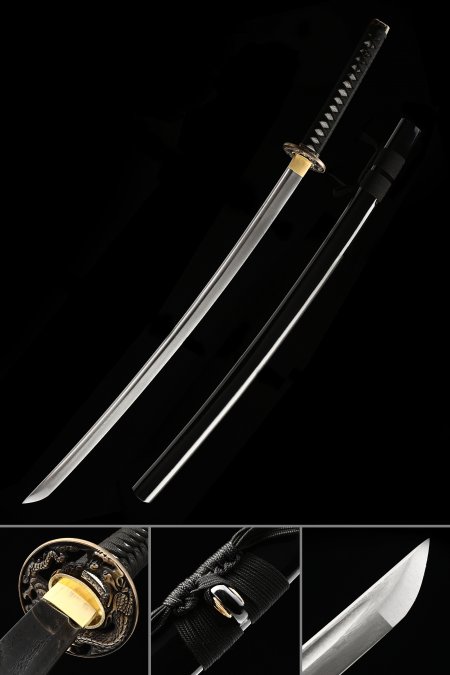
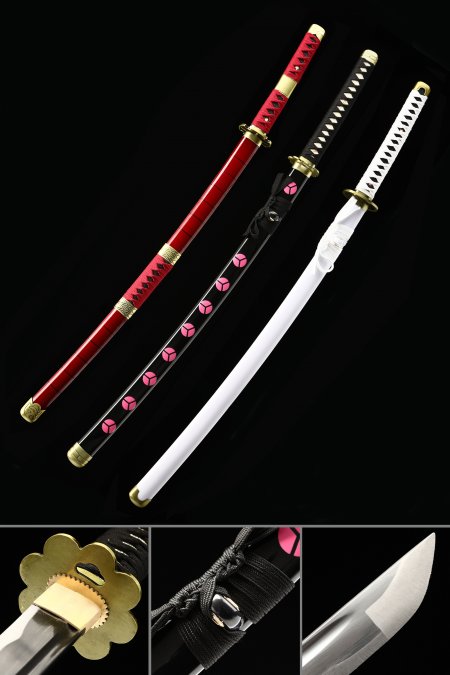
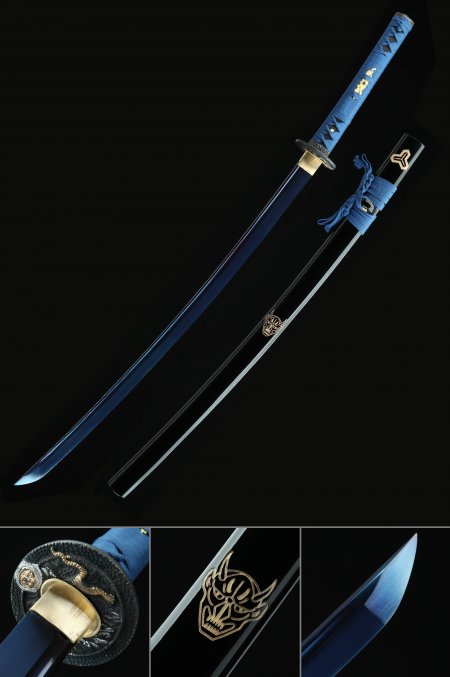
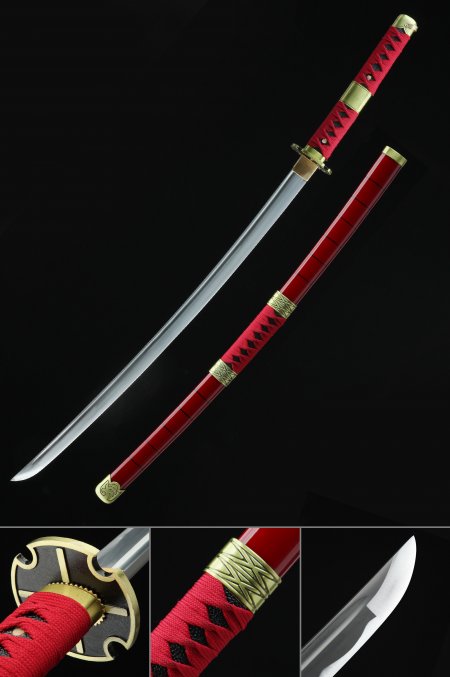
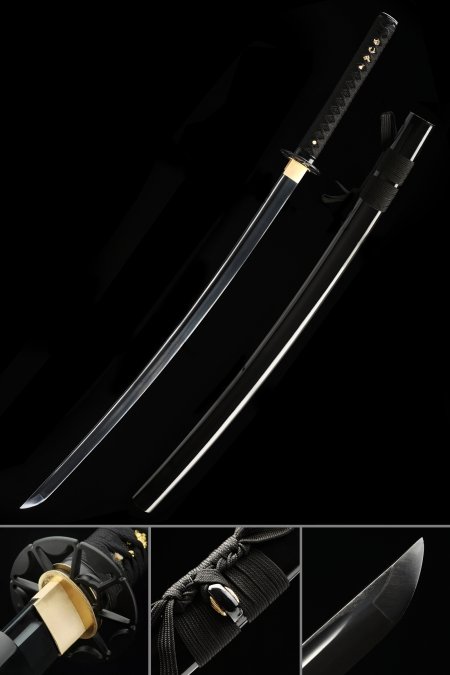
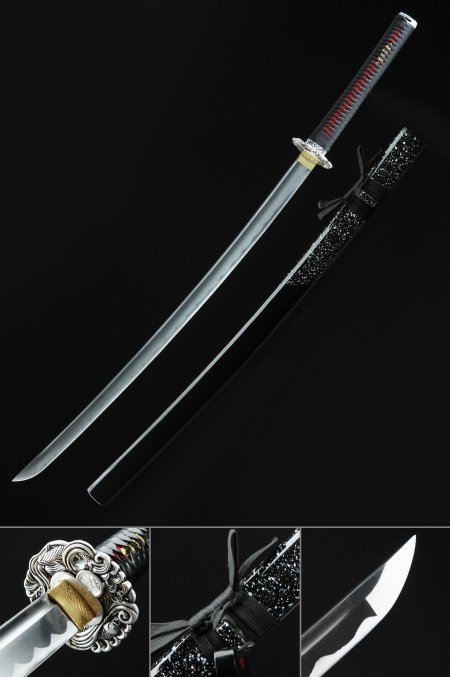
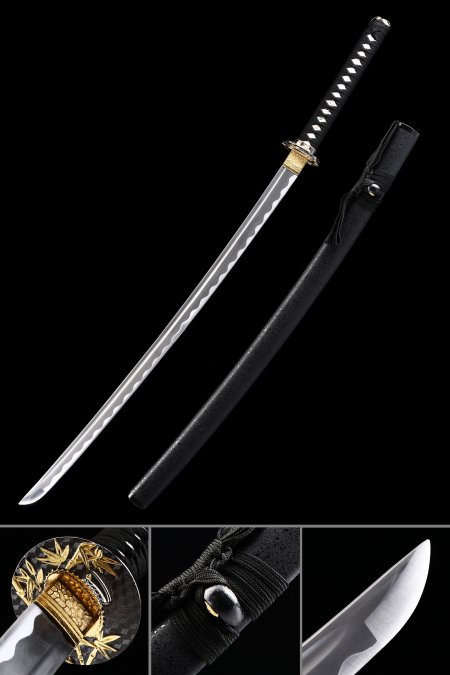
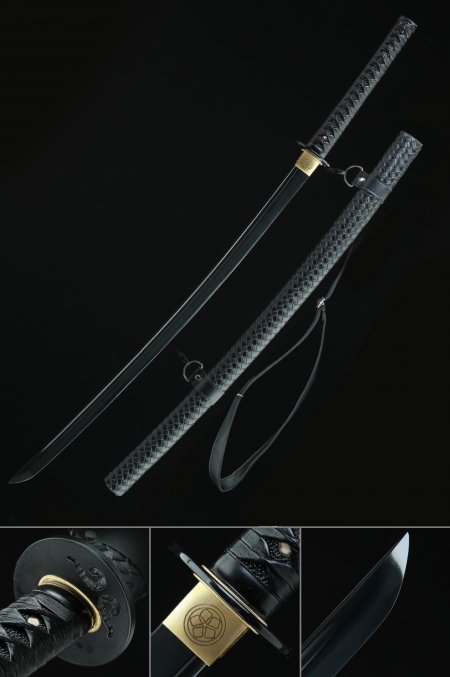
The structural differences between straight and curved katana go beyond visual profile and affect how the blade is forged, balanced, and assembled. Curved katana achieve their arc primarily through differential heat treatment: the cutting edge is hardened more than the spine, causing the edge to contract and the blade to curve during quenching. This means the curve is not just aesthetic — it is a physical expression of the blade’s internal hardness distribution. Straight blades, by contrast, are either heat-treated uniformly or use techniques that prevent curvature from developing, resulting in consistent hardness throughout the cross-section. This gives straight blades different mechanical properties: more predictable behavior under stress, with less of the directional cutting advantage that curved blades provide. The balance point also differs — straight blades tend to balance closer to the handle, creating a different feel in hand compared to the forward-weighted balance of curved katana. For display purposes, the key difference is visual: straight blades create a linear silhouette that reads as more architectural and modern, while curved blades create the organic sweep that defines traditional katana aesthetics.