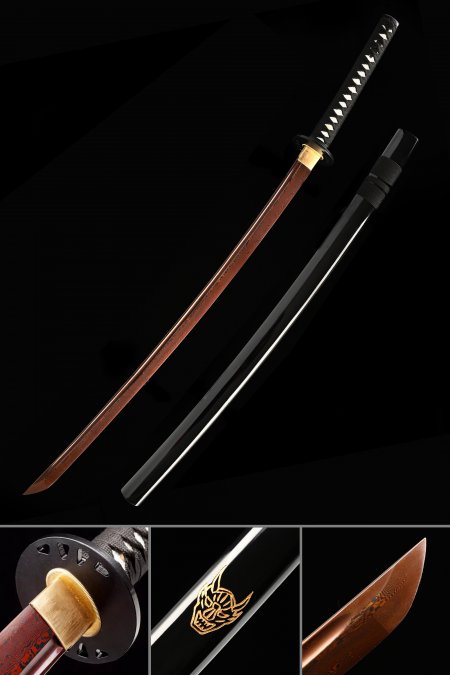
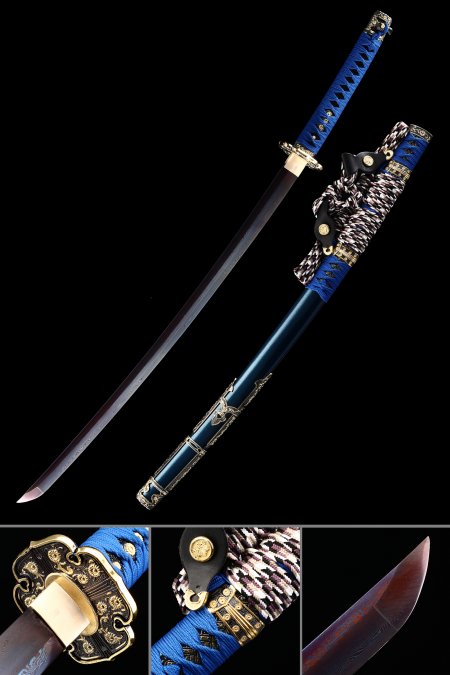
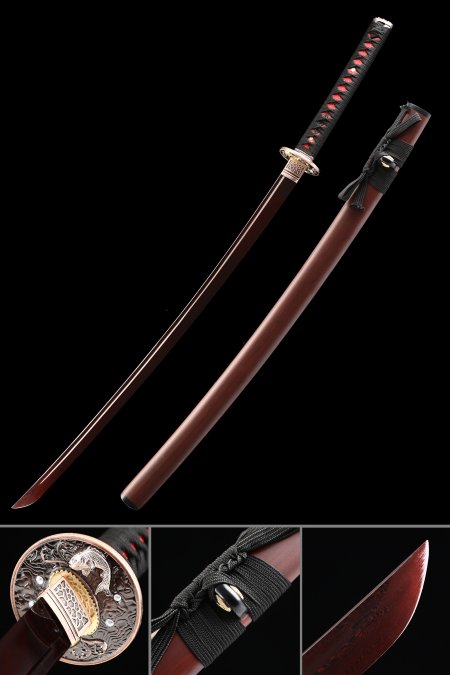
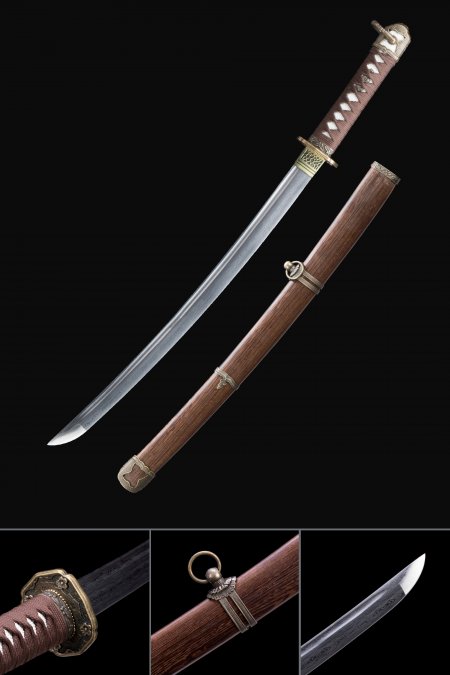
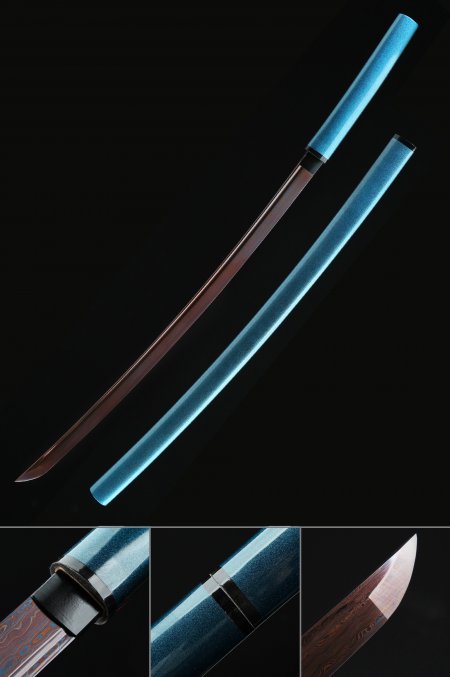
Which specific steel types achieve the sharpest hand-sharpened edges in the Red Sharp Katana collect
Updated Feb 2026
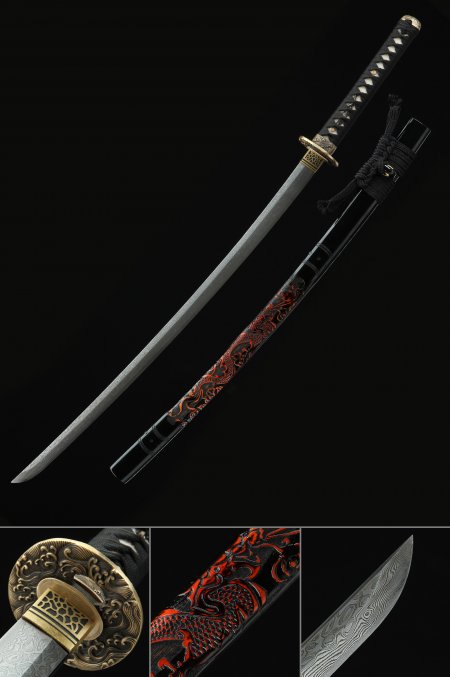
Among the steels available in our red sharp katana, 1095 high-carbon steel achieves the finest edge refinement due to its carbon content and resulting grain structure. At approximately 0.95% carbon, 1095 develops an extremely fine crystalline microstructure during heat treatment that allows the cutting edge to be sharpened to an exceptionally acute and consistent geometry. The fine grain means the edge remains structurally coherent at thinner angles where coarser steels would begin to microchip or fold. T10 tungsten-carbon steel ranks closely behind 1095 in initial edge fineness but offers superior edge retention — meaning a T10 edge stays sharp longer through use before requiring resharpening, making it arguably the better overall performer despite slightly less peak sharpness than 1095. Damascus pattern steel achieves excellent sharpness with the added visual interest of visible grain on the blade, though the layered structure creates very slight edge irregularity at the microscopic level that prevents it from reaching the absolute peak refinement of homogeneous 1095. Spring steel and manganese steel achieve serviceable sharpness but cannot match the edge refinement of higher-carbon alternatives.