How does the historical role of ninja operatives in feudal Japan inform the design philosophy of the
Updated Feb 2026
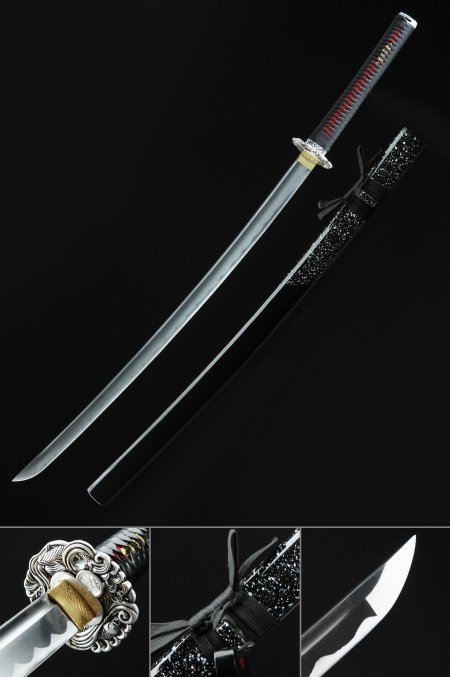
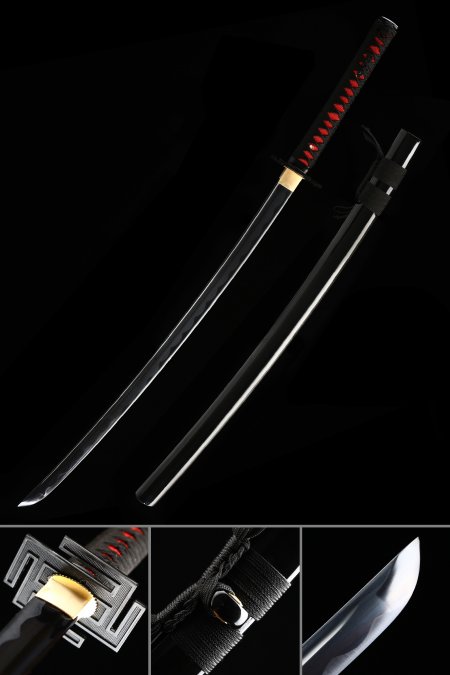
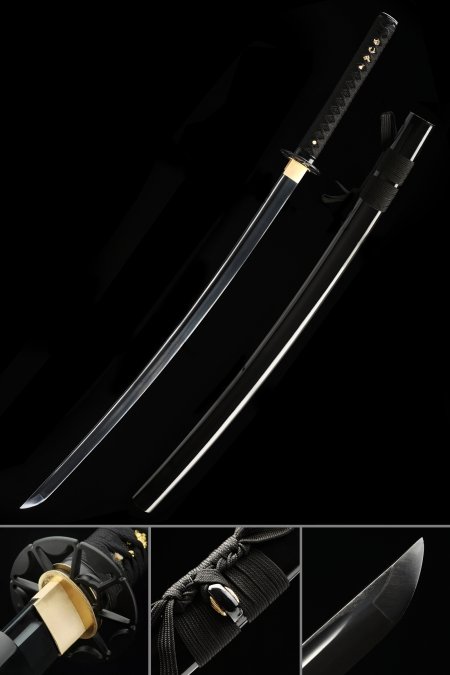
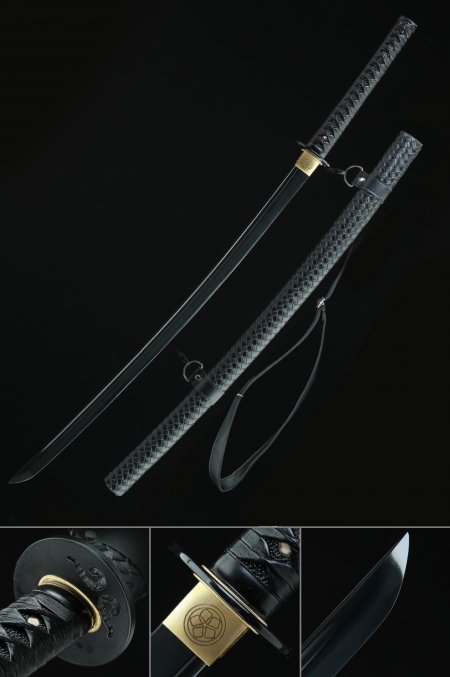
The historical shinobi of feudal Japan operated under conditions that demanded practical, reliable equipment above all else. Unlike samurai, who fought in organized formations with support infrastructure, ninja operatives worked independently or in small groups behind enemy lines, where a equipment failure could not be compensated by allies or reserves. This operational context produced a design philosophy fundamentally different from the samurai tradition: ninja blades prioritized reliability, portability, and versatility over ceremonial refinement. The typically shorter blade length improved maneuverability in confined spaces. The straight or mildly curved profile simplified construction and maintenance in the field. The plain, dark fittings minimized visual detection. Our warrior-grade ninja swords preserve this functional design philosophy while elevating the construction quality to match the life-or-death stakes that historical ninja equipment served. The result is blades that look utilitarian and shadow-appropriate while being built to standards that exceed what their understated appearance suggests.