What does the dragon symbolize in East Asian and Japanese culture, and why is it significant on swor
Updated Feb 2026
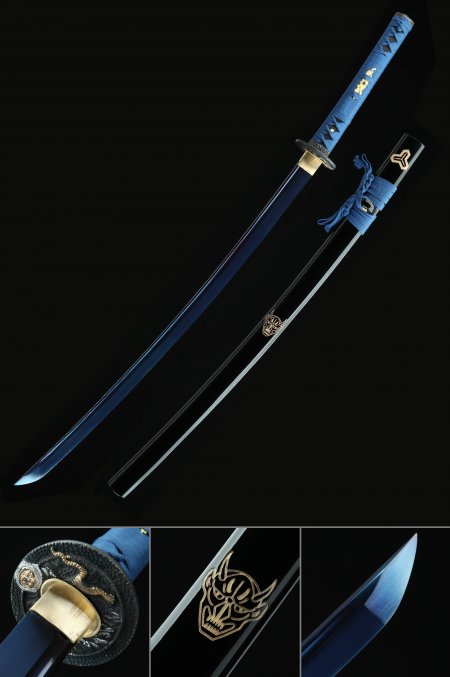
The dragon in East Asian culture is a fundamentally different creature from the Western dragon tradition. While Western dragons are typically portrayed as dangerous adversaries to be slain by heroes, East Asian dragons are revered as benevolent cosmic beings embodying supreme power tempered by wisdom and guardianship. In Japanese tradition specifically, the dragon — ryū — is associated with water, rainfall, and the forces of nature, serving as a protector and a symbol of the highest form of disciplined power. Dragons appear throughout Japanese cultural life: in Buddhist temple architecture where they guard sacred spaces, in imperial symbolism where they represent sovereign authority, and in martial arts philosophy where the dragon represents the pinnacle of refined power and technical mastery. On sword fittings, dragon imagery carries these accumulated layers of meaning. A dragon tsuba or dragon menuki is not merely decorative — it invokes the dragon’s protective qualities for the sword’s owner and signals that the blade is imbued with the highest symbolic significance the Japanese artistic vocabulary can express.