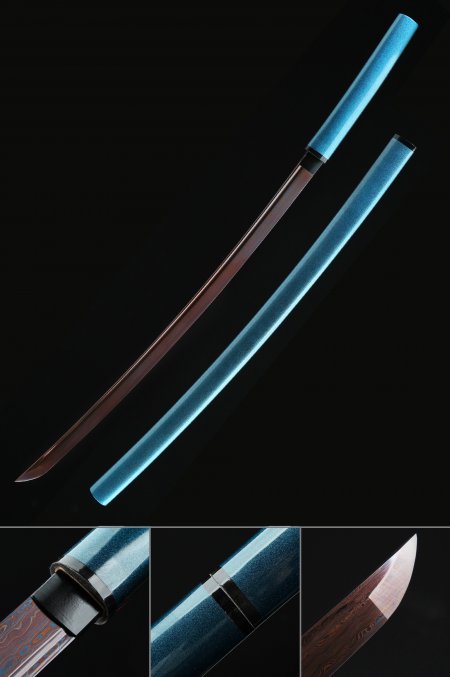
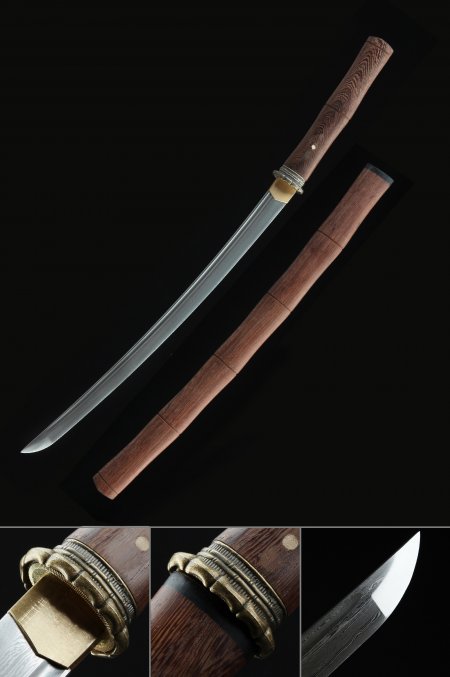
How is the pattern created on a Damascus steel tanto blade?

 Updated Feb 2026

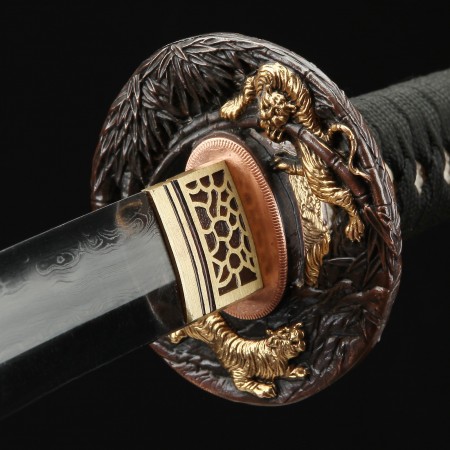
The distinctive pattern on a Damascus tanto comes from the forging process itself. The smith starts with a billet of high-carbon steel, heats it, and folds it repeatedly — each fold doubles the number of layers in the steel. After dozens of folds, the blade contains hundreds or even thousands of alternating layers with slightly different carbon concentrations. When the blade is finished and etched in a mild acid solution, these layers react at different rates, revealing the characteristic watered or flowing pattern across the surface. The specific pattern depends on how the smith manipulates the steel during folding — straight folds produce linear grain, while twisting or stacking techniques create more complex swirling motifs. No two Damascus blades are identical, making each piece a unique collectible.
Popular Products

15% OFFblack katana
179.00 USD
209.00 USD
20% OFFblack katana
159.00 USD
199.00 USD
20% OFFdamascus katana
279.00 USD
349.00 USD
15% OFFww2 wakizashi
169.00 USD
199.00 USD
15% OFFkatana sword
199.00 USD
239.00 USD
15% OFFkill bill sword
199.00 USD
229.00 USD
20% OFFmodern wakizashi
209.00 USD
259.00 USD
15% OFFreal katana
649.00 USD
769.00 USD
20% OFFtachi sword
249.00 USD
309.00 USD
15% OFFkatana sword
199.00 USD
229.00 USD
15% OFFshirasaya katana
209.00 USD
249.00 USD
15% OFFshort katana
199.00 USD
239.00 USD
15% OFFblack katana
179.00 USD
209.00 USD
20% OFFblack katana
159.00 USD
199.00 USD
20% OFFdamascus katana
279.00 USD
349.00 USD
15% OFFww2 wakizashi
169.00 USD
199.00 USD
15% OFFkatana sword
199.00 USD
239.00 USD
15% OFFkill bill sword
199.00 USD
229.00 USD
20% OFFmodern wakizashi
209.00 USD
259.00 USD
15% OFFreal katana
649.00 USD
769.00 USD
20% OFFtachi sword
249.00 USD
309.00 USD
15% OFFkatana sword
199.00 USD
229.00 USD
15% OFFshirasaya katana
209.00 USD
249.00 USD
15% OFFshort katana
199.00 USD
239.00 USD

Explore Our Collections