Why does the type of steel matter for an authentic katana?
Updated Feb 2026
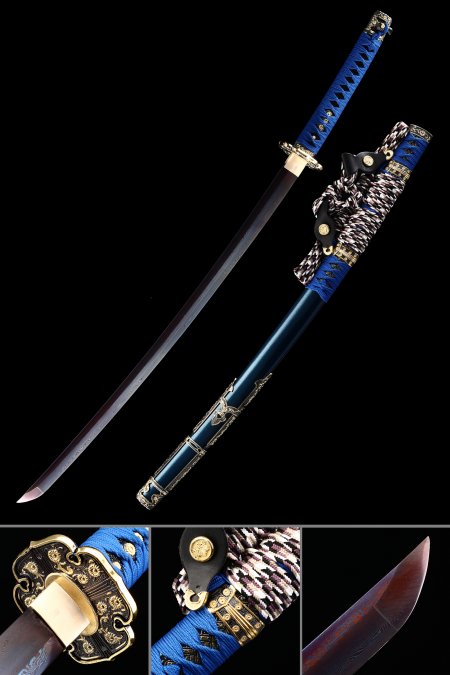
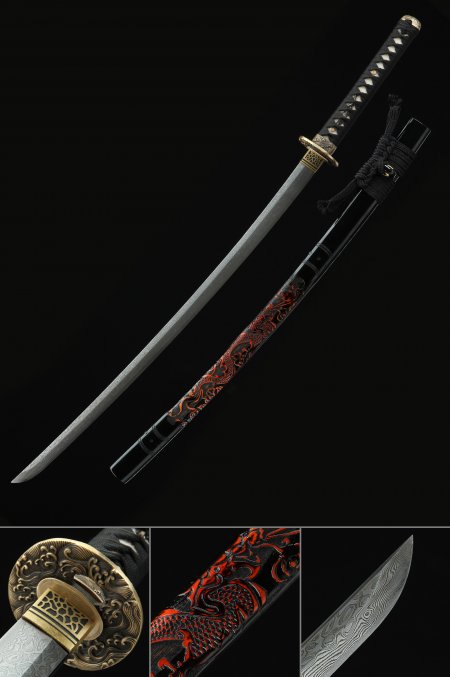
Steel composition directly affects how a katana responds to traditional forging and tempering processes. Higher-carbon steels like T10 and 1095 produce more dramatic hamon temper lines because the higher carbon content creates a greater hardness differential between the quenched edge and the slower-cooled spine. Damascus and folded steels add visible layering from the folding process, providing an additional visual signature of hand craftsmanship. Lower-carbon steels like 1045 are easier to forge and more forgiving, producing solid blades at entry-level prices but with less pronounced hamon and temper characteristics. For collectors prioritizing authenticity of technique, T10 and 1095 deliver the most traditionally accurate results.