What is the history behind gold finishes on traditional Japanese swords?
Updated Feb 2026
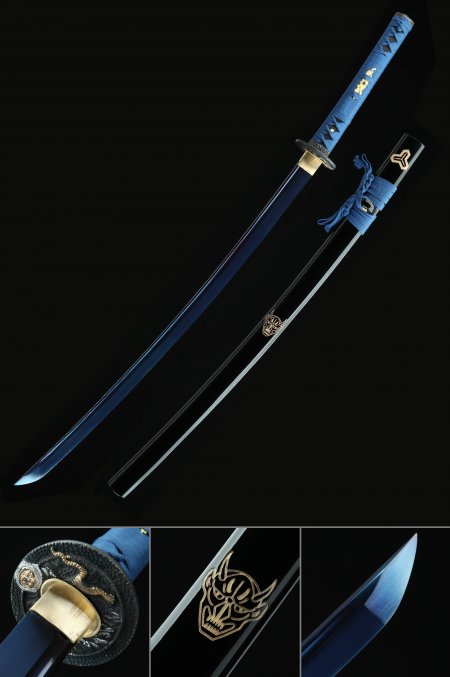
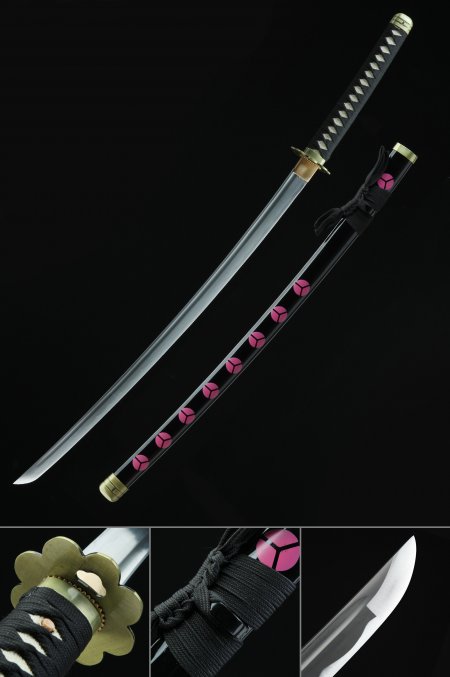
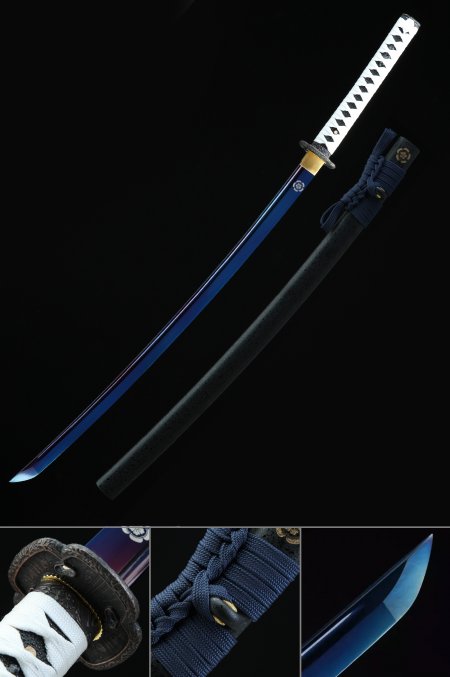
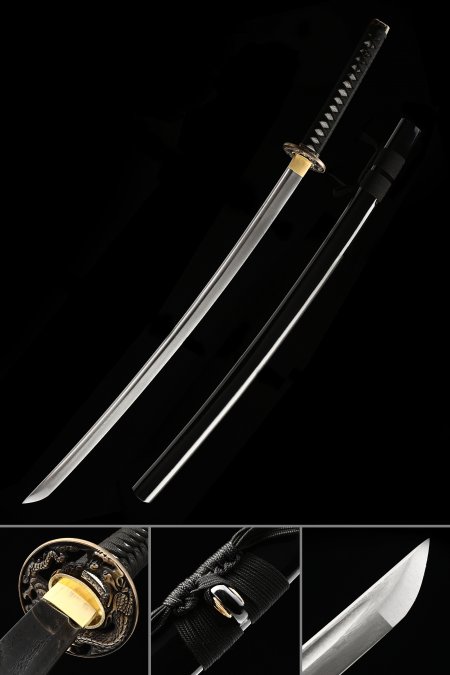
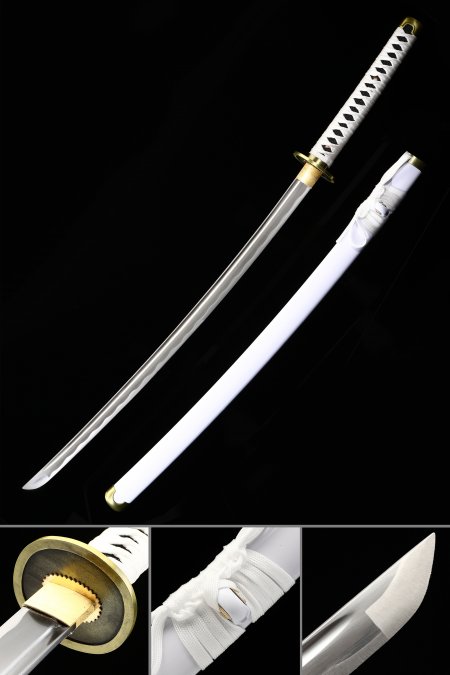
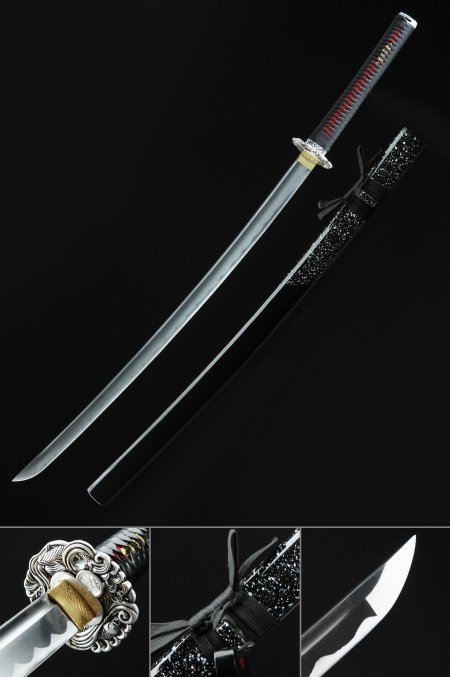
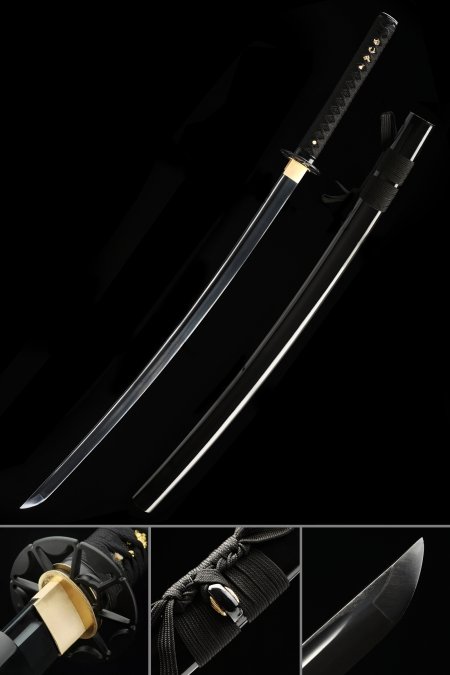
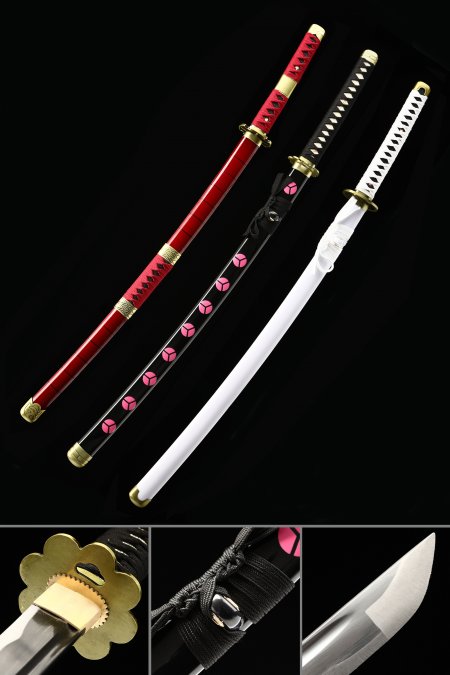
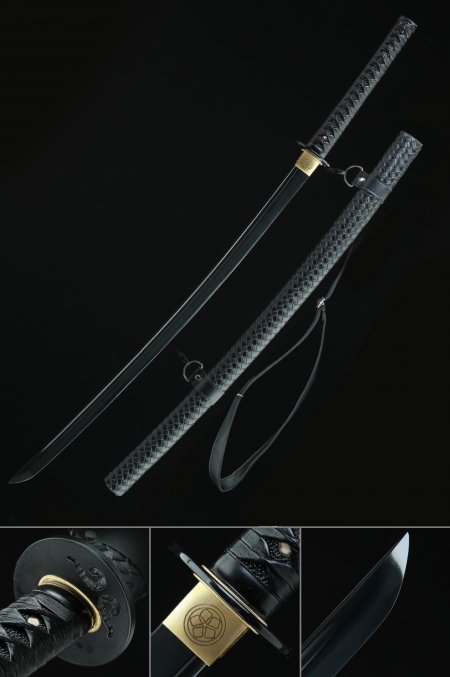
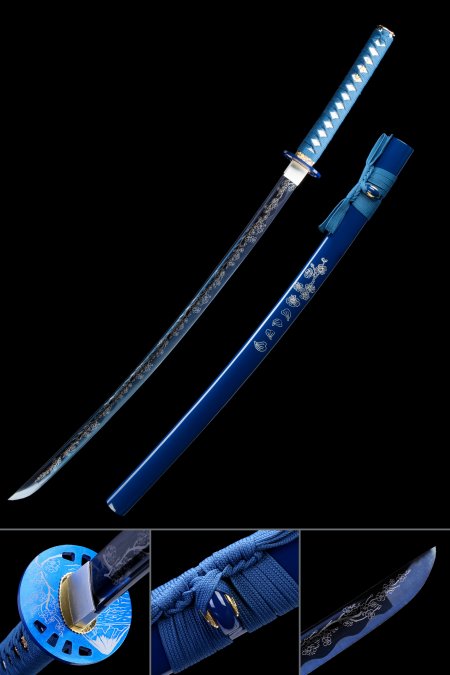
Gold has appeared in Japanese sword culture for centuries, primarily in the fittings rather than the blade itself. Historical sword furniture - tsuba, fuchi, kashira, and menuki - were frequently gilded or made from gold alloys to signal the owner's status and the importance of the sword. High-ranking samurai and daimyo commissioned sword sets where the fittings were elaborately worked in gold, silver, and lacquer. The blades themselves were generally left in their polished steel finish, as the polishing and the visible hamon were considered the primary aesthetic elements of the blade. Gold blade treatments in modern collectible swords are a contemporary interpretation of this tradition, extending the warm metallic presentation from the fittings to the blade itself. The result is a sword that reads as entirely ceremonial and prestigious from tip to pommel, with the gold unifying the presentation in a way that historical swords achieved through the fittings alone.