What is the best way to photograph swords displayed on a Japanese sword stand?
Updated Feb 2026
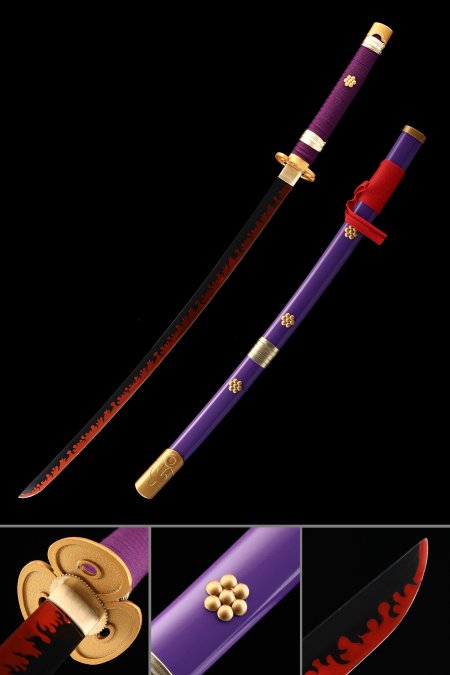
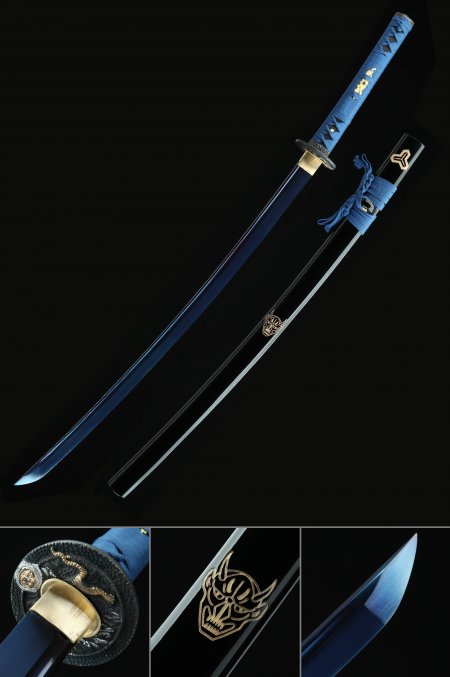
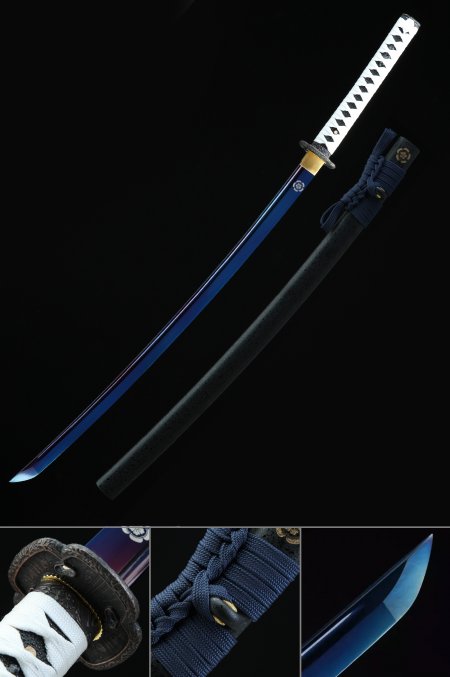
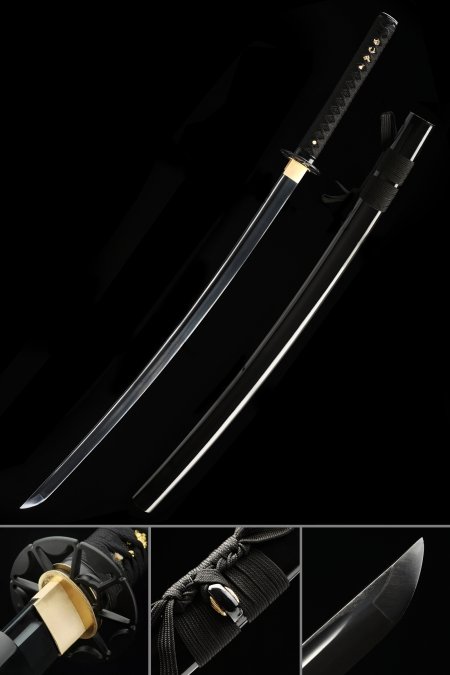
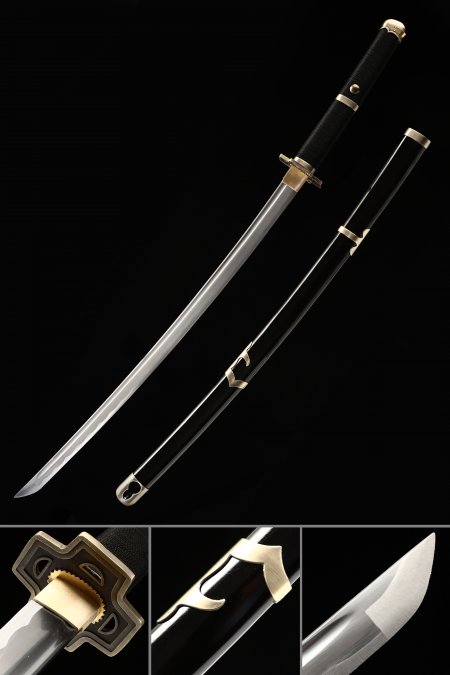
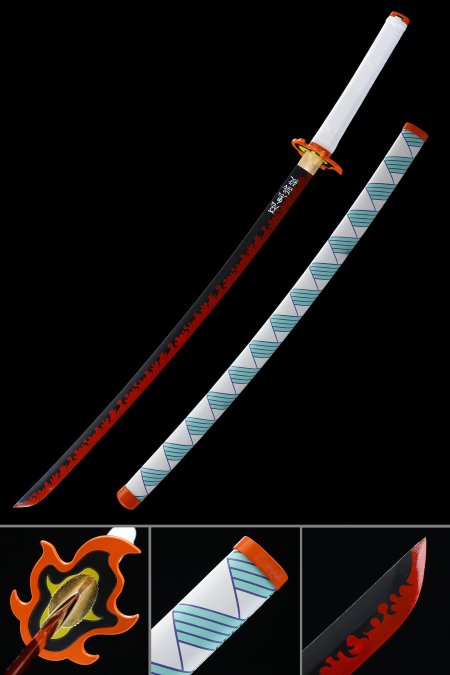
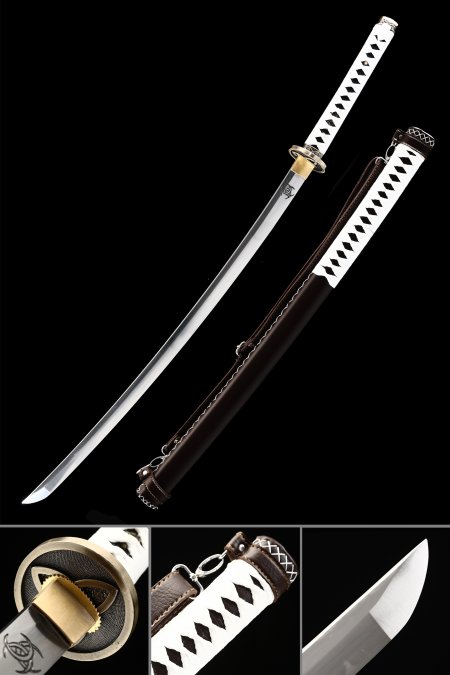
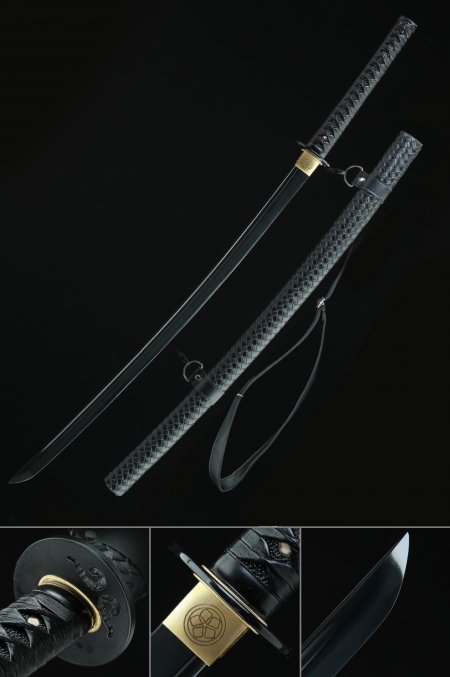
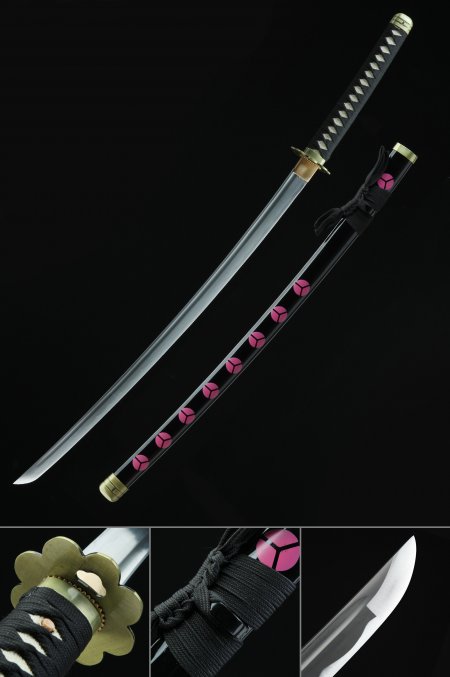
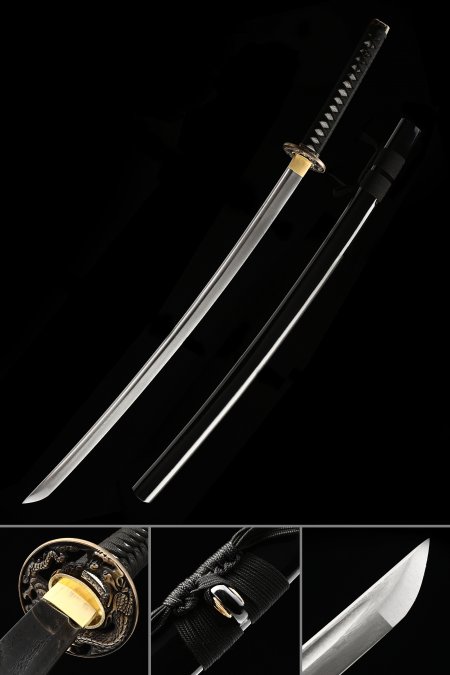
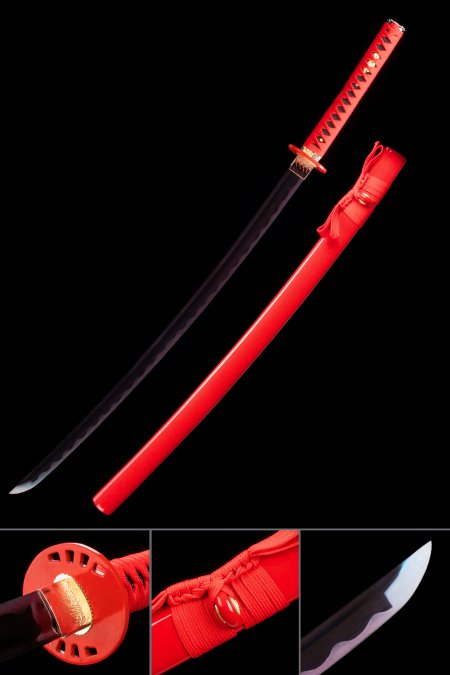
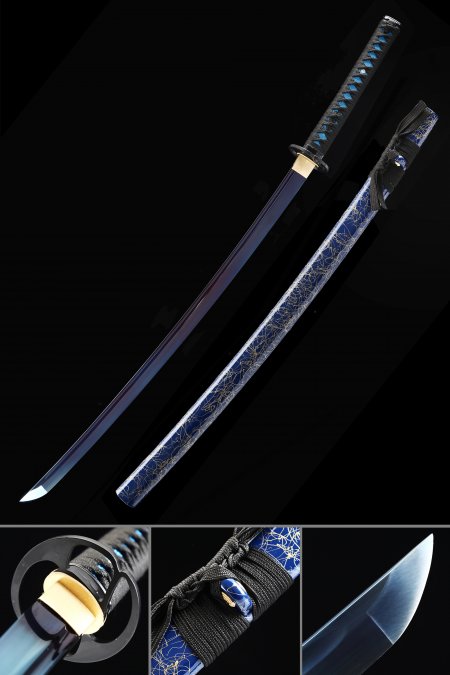
Photographing swords on a Japanese sword stand well requires attention to background, lighting, and angle. Position the stand against a clean, neutral background - a plain wall or a fabric backdrop in white, grey, or black works well and avoids visual competition with the sword's fittings and finish. Lighting should come from one side at a low angle to bring out the surface detail of the blade, the texture of the ito wrapping, and the relief of the tsuba. Direct overhead or front-facing light flattens these details. For a single sword on a single-tier stand, a three-quarter angle from slightly above the sword level shows the curve of the blade, the handle, and the saya simultaneously in one frame. For a multi-tier stand with multiple swords, a straight-on frontal shot from the sword level shows all swords in parallel and communicates the collection as a composed grouping. Natural daylight from a window to one side works well and is often easier to manage than artificial lighting setups for capturing the fine surface details of Japanese sword finishes.