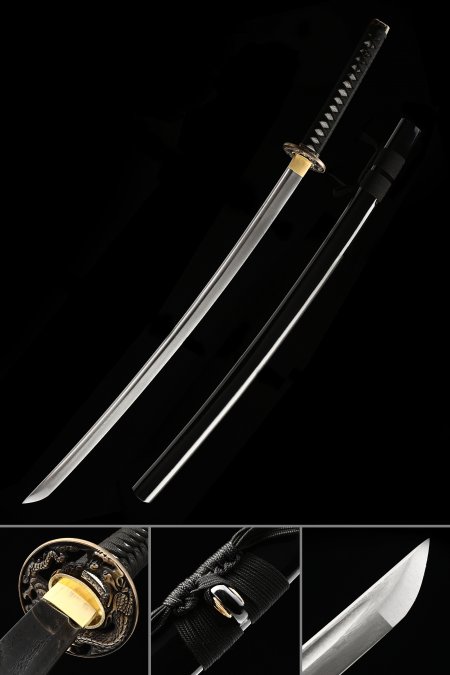
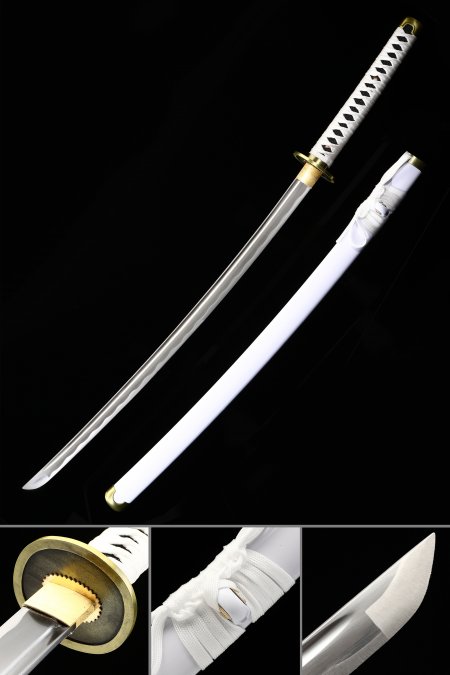
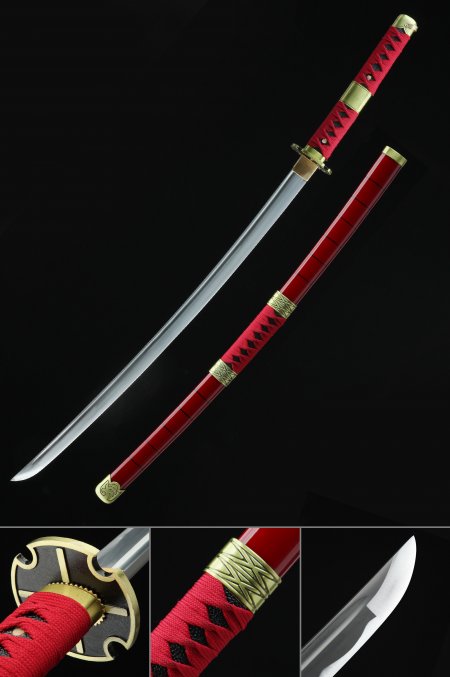
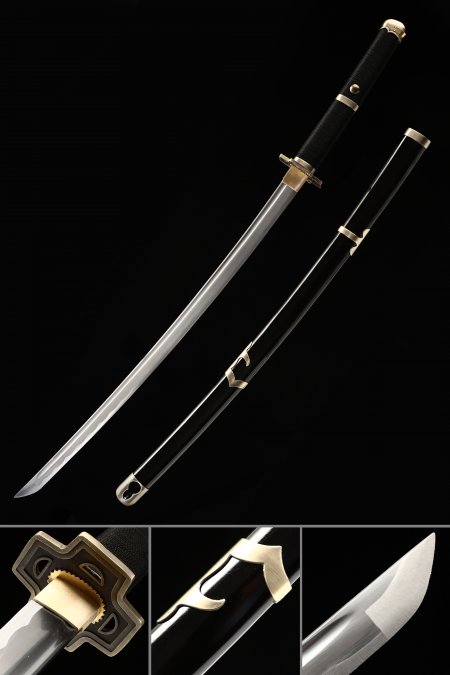
What is the cultural significance of the Japanese sword as a collected object?
Updated Feb 2026
The Japanese sword occupies a unique position among collected objects because it sits at the intersection of technical craft, martial tradition, aesthetic philosophy, and cultural identity. In Japanese history, the sword was not merely a weapon but a symbol of social status, personal character, and spiritual responsibility - samurai culture developed an entire ethical and philosophical framework around the ownership, care, and use of swords that extended far beyond their practical military function. The tradition of sword appreciation in Japan - kantei, the art of judging and appreciating swords - is itself a centuries-old practice with specific vocabulary, methodology, and connoisseurship standards. For collectors outside Japan, the Japanese sword carries this cultural weight as an object that is simultaneously a masterwork of traditional metalworking craft, a significant historical artifact, and a representation of one of the most developed martial and aesthetic traditions in human history. Owning and displaying a quality Japanese sword is a form of engagement with this tradition, and understanding the sword's construction - its steel, its hamon, its geometry - deepens the engagement progressively over time.