How can I tell if the hamon on a T10 tanto is genuine?
Updated Feb 2026
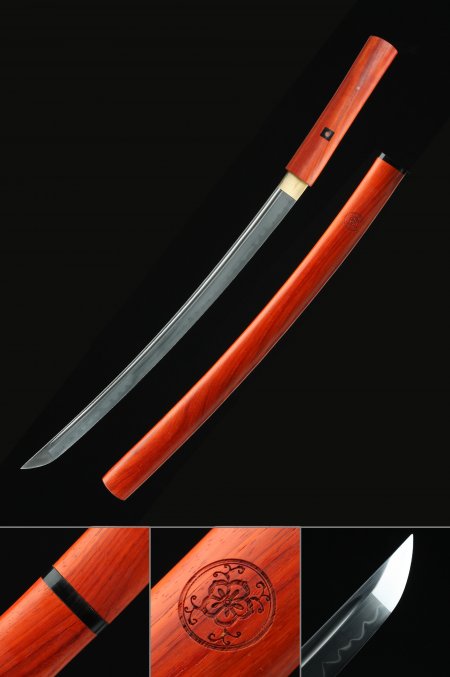
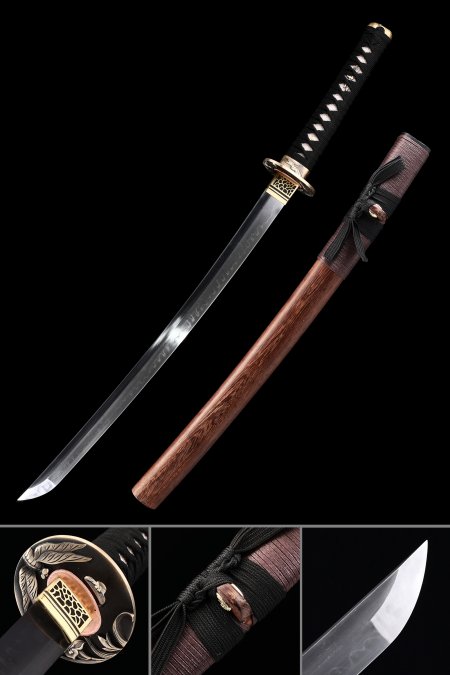
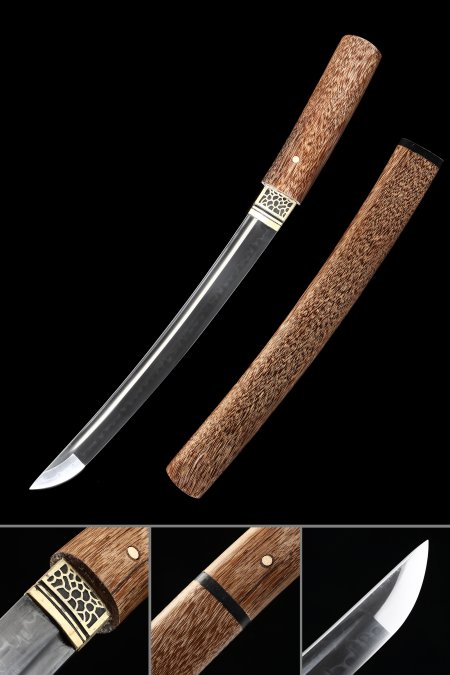
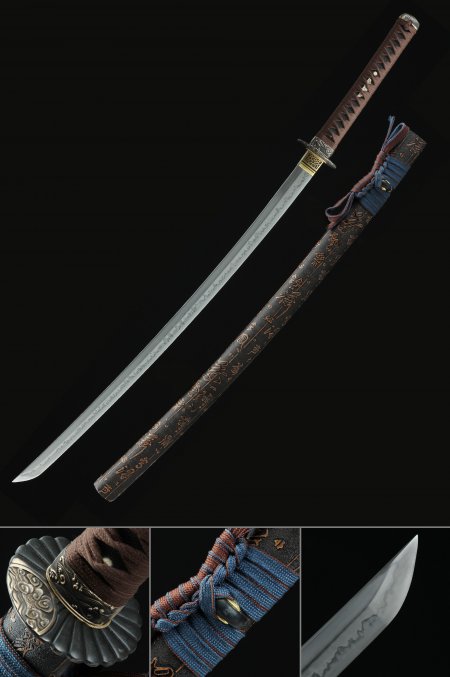
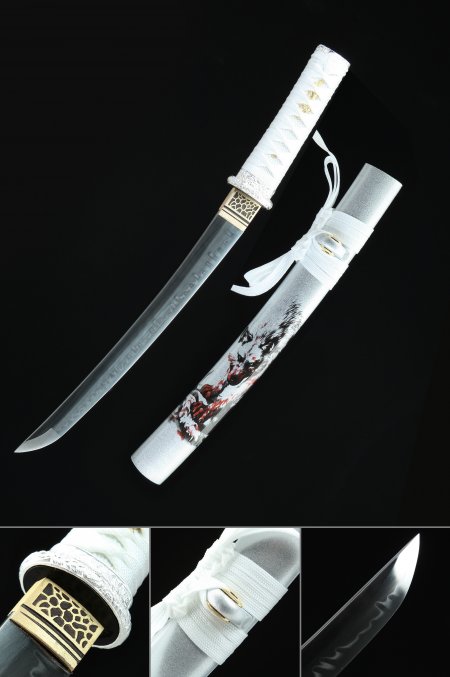
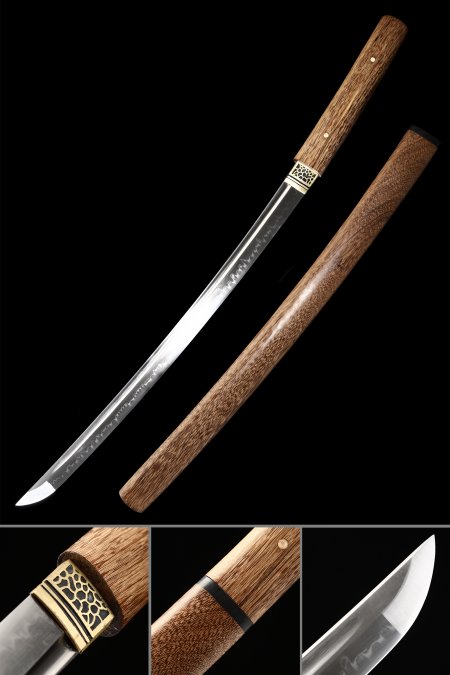
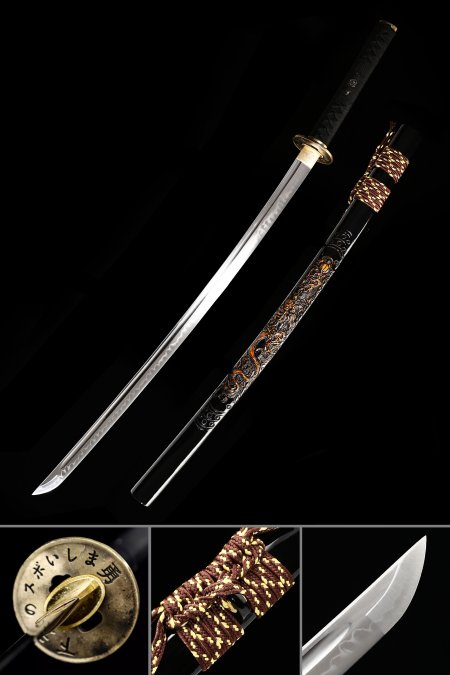
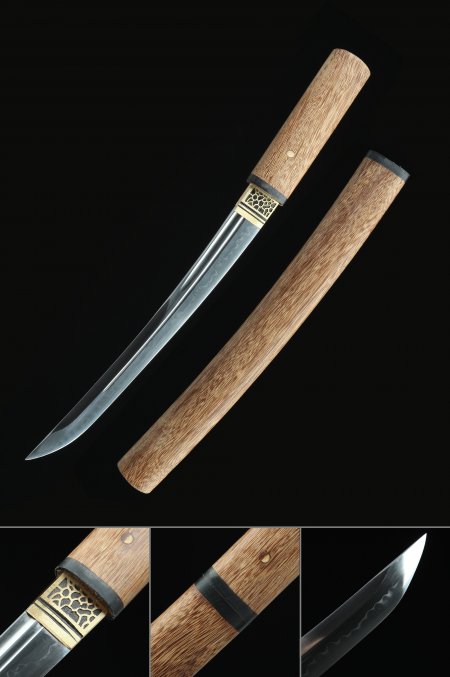
A genuine hamon on a T10 clay-tempered tanto has specific visual characteristics that distinguish it from a fake or etched hamon applied for decoration. A real hamon is not a line drawn on the surface - it is a difference in the steel's crystal structure that changes how light reflects off the blade. When you tilt a genuine hamon tanto under a single point light source such as a lamp or a candle, the hamon becomes more or less visible as you change the angle. The edge zone appears slightly lighter or more reflective than the spine zone, and the boundary between them shows the characteristic misty or wave-like pattern. Along the boundary you may see nie - small bright points of crystalline martensite - and nioi, the cloudy haze of finer crystalline structures. A fake etched hamon is applied with acid and shows as a flat, printed-looking line that does not change character under different lighting angles and lacks the dimensional activities visible in a genuine hamon. The T10 tanto in this collection use genuine clay tempering to produce real hamon.