Is the Damascus steel on the Qin jian historically authentic or a modern interpretation?
Updated Feb 2026
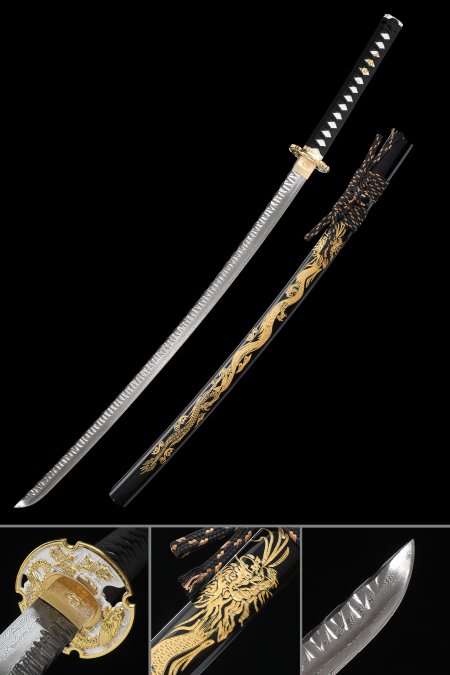
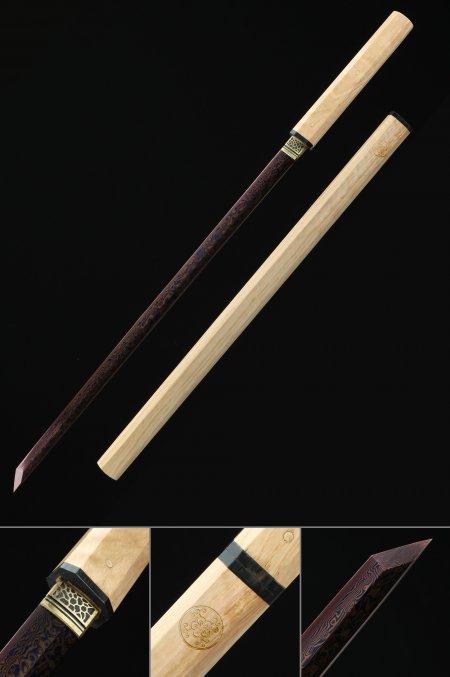
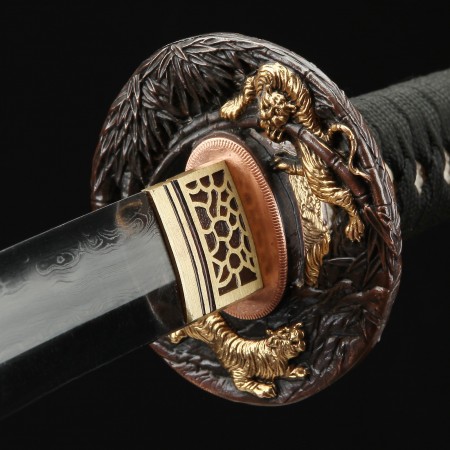
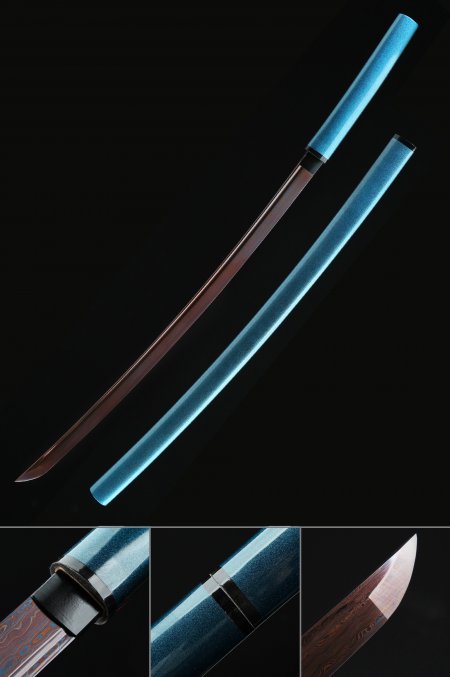
The Damascus pattern-welded steel on the Qin jian in this collection is a modern forging interpretation rather than a direct historical replication. Historical Qin dynasty jian were made from iron and early steel using Chinese metallurgical methods of the period - these included pattern welding techniques, but the specific visual effects associated with modern pattern-welded Damascus steel are a product of contemporary forging practice rather than a precise recreation of Qin dynasty production methods. The Damascus construction on these swords is authentic in the sense that it involves genuine forge welding of multiple steel types and produces a blade with real structural properties resulting from that process. The visual grain pattern is a genuine product of the forging and etching process rather than a surface treatment. What makes this a modern interpretation rather than a historical replication is that Qin dynasty smiths did not aim for the specific visual Damascus pattern - they were optimizing for blade performance using the materials and methods available to them. The Damascus finish is used on these swords to honor the spirit of sophisticated Qin period blade making while producing a contemporary collectible with visual character appropriate to the quality of construction.