How has the samurai katana evolved from historical examples to modern collectibles?
Updated Feb 2026
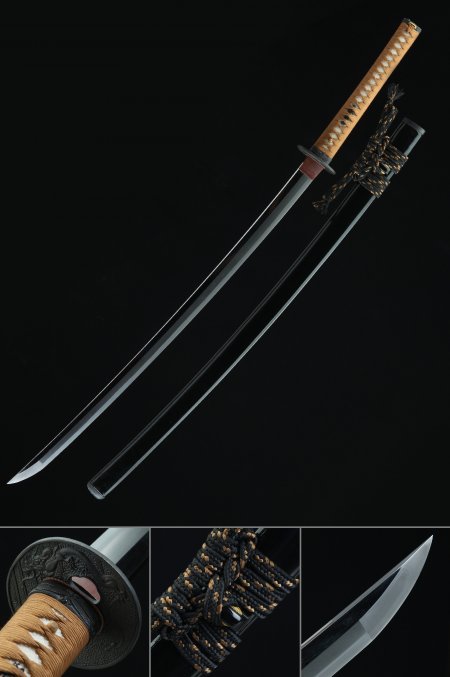
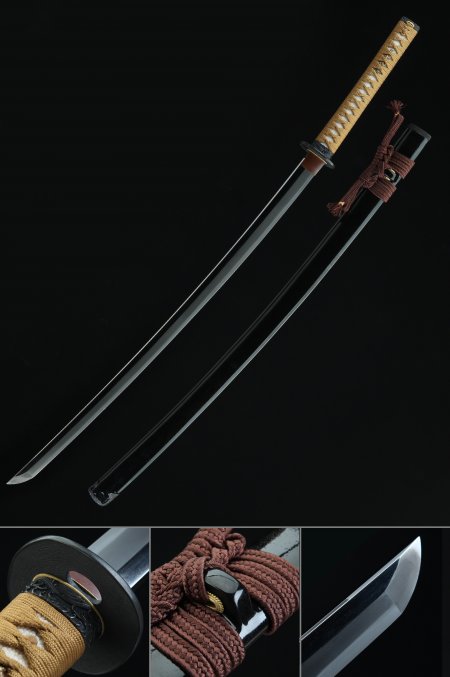
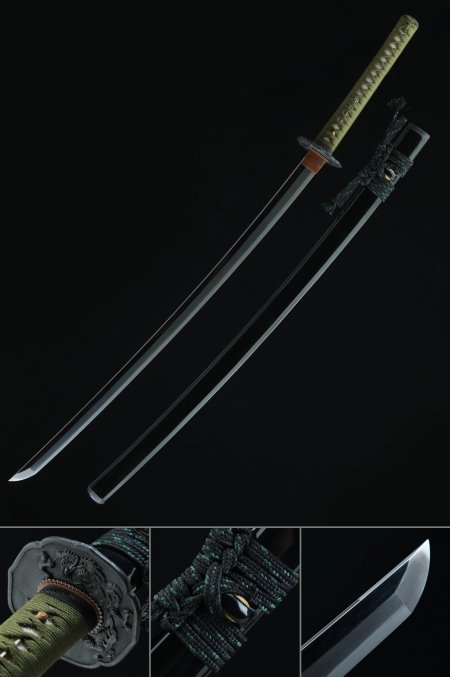
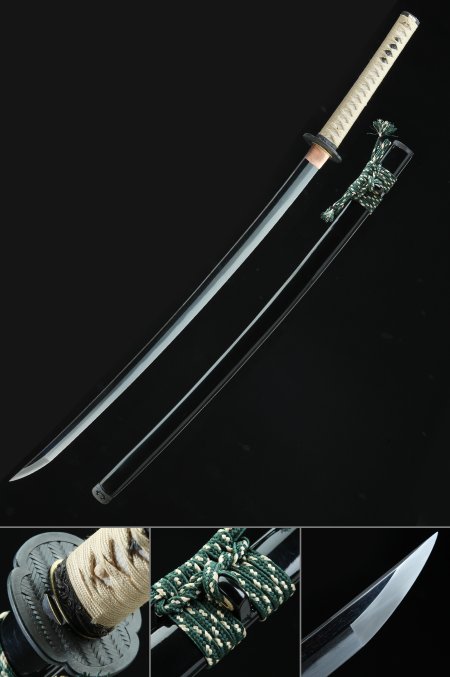
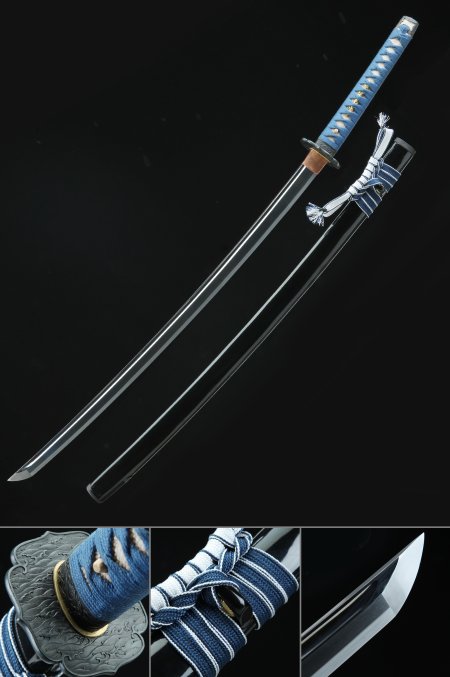
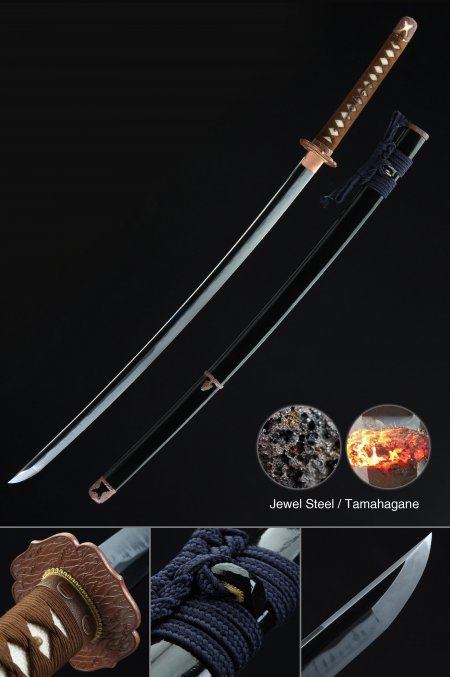
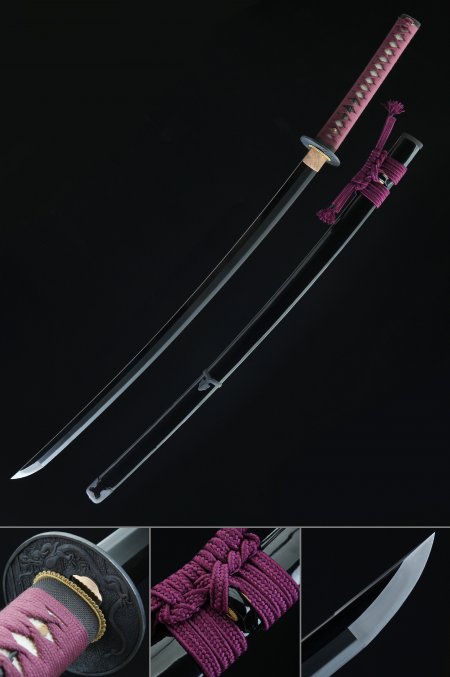
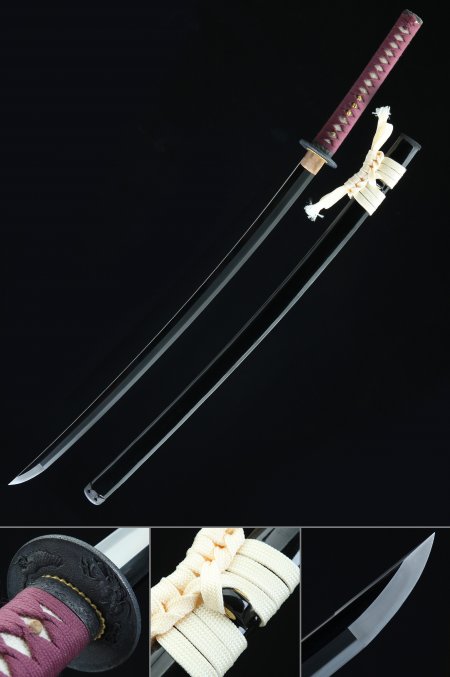
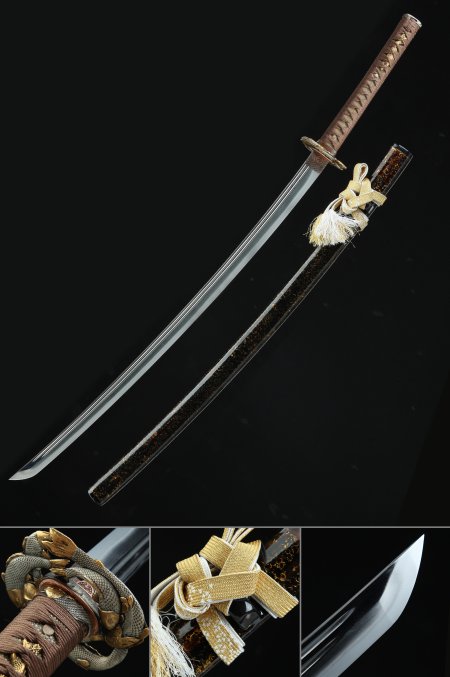
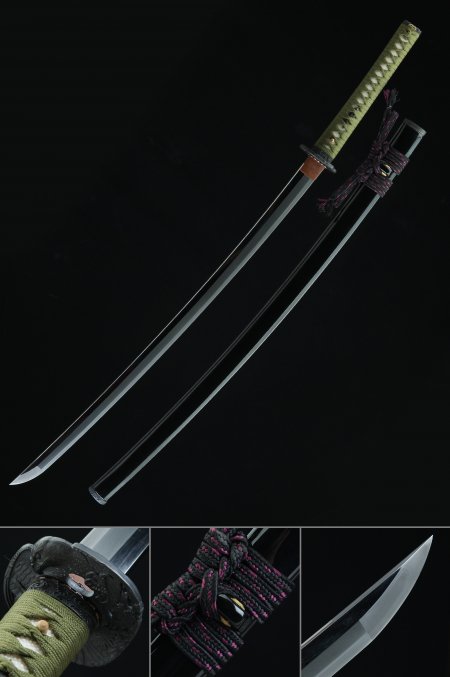
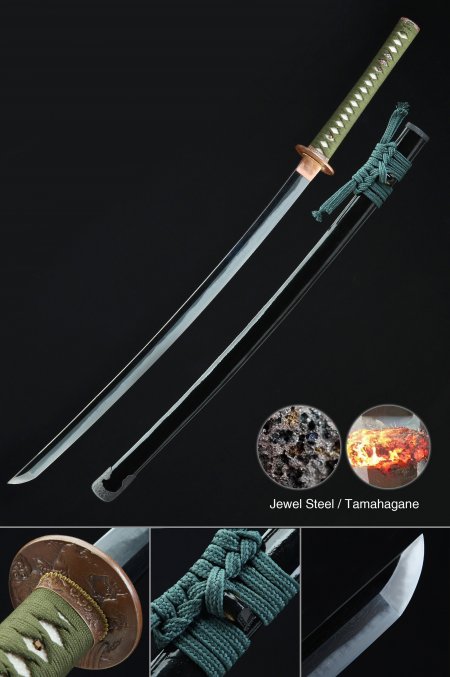
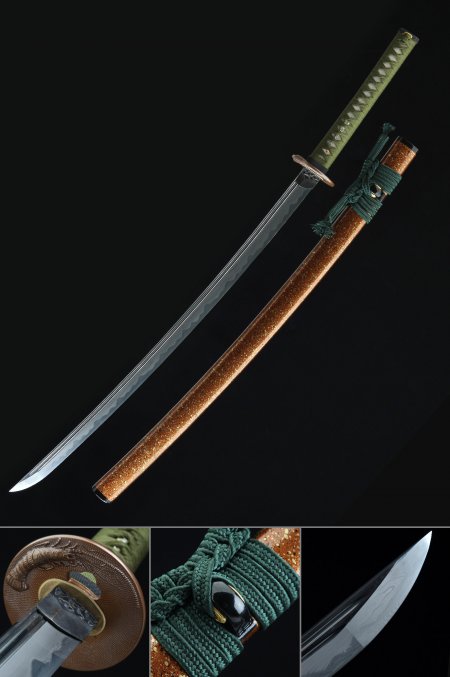
The samurai katana's evolution from historical military and ceremonial objects to modern collectibles spans roughly 150 years, from the Meiji period prohibition on sword wearing in 1876 to the present day. The prohibition did not end sword production - it redirected it. Japanese swordsmiths who had produced swords for samurai patrons shifted to producing swords for collectors, cultural preservation, and later, for art sword competitions that maintained the traditional production standards. The tamahagane steel smelting process, clay tempering, and hand polishing all continued in Japan through the modern period as craft traditions rather than military production. Outside Japan, the post-World War II period saw growing international interest in Japanese swords, which created demand for well-made replicas using traditional construction methods. Modern collectible samurai katana are the result of this evolution: they use the same production methods as historical swords - high-carbon steel forging, differential clay tempering, hand fitting - but are made as display and collecting objects rather than functional swords for martial use. The quality range is wide, from entry-level production pieces to hand-crafted swords that approach historical production standards.