How does Melaleuca folded steel construction affect the dao's performance and appearance?
Updated Feb 2026
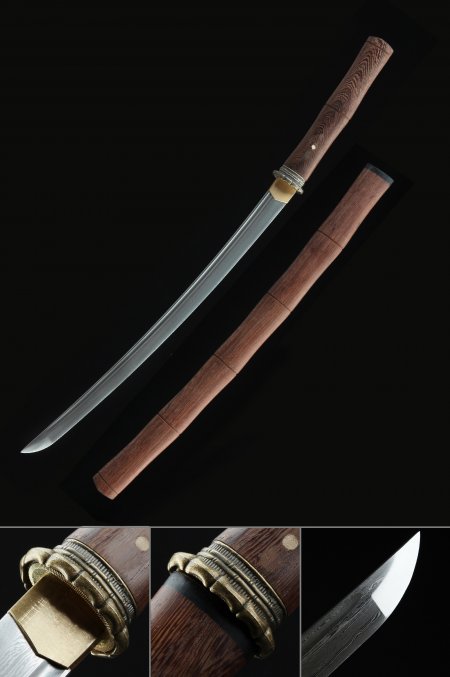
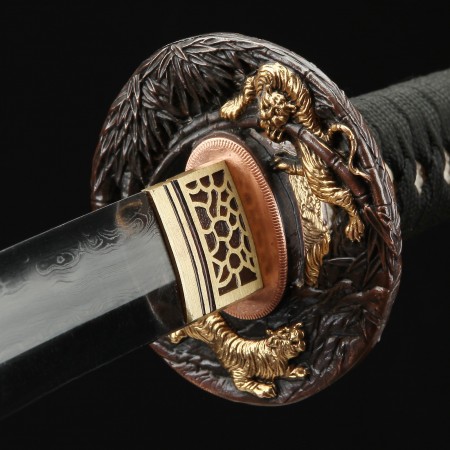
Melaleuca folded steel, also called qian ceng gang or thousand-layer steel, is made by forge-welding layers of different steel alloys and repeatedly folding and drawing out the billet - the same fundamental production approach used in Japanese tamahagane and in pattern-welded Damascus steel. This process refines the steel's grain structure and creates a layered surface character that becomes visible when the blade is polished or acid-etched. For a han dao, the Melaleuca construction produces several meaningful qualities. The refined grain structure of the folded steel provides a combination of edge capability and toughness that a simple mono-steel blade achieves less naturally - the repeated folding works impurities out of the steel and refines the distribution of carbon throughout the billet. The visual grain character makes each blade individual: the specific pattern of layers visible on the polished surface is determined by the exact working process of that particular billet, and no two Melaleuca-steel blades are identical. Clay tempering applied to Melaleuca steel produces a differential hardness profile similar to Japanese clay-tempered swords, with a harder edge zone and tougher spine.