What is Damascus steel and how is it different from other sword steels?
Updated Feb 2026
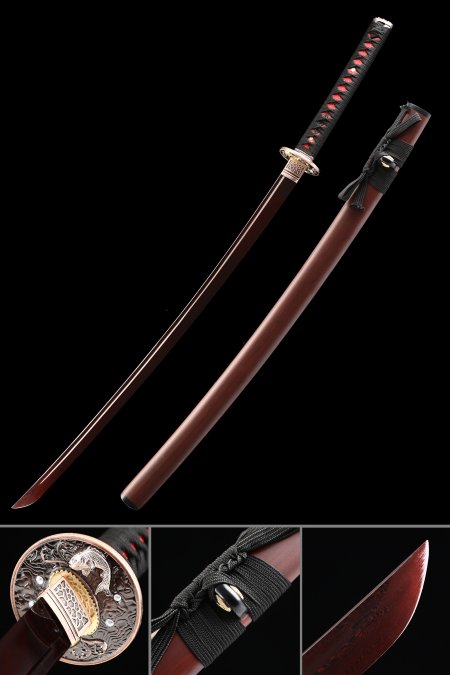
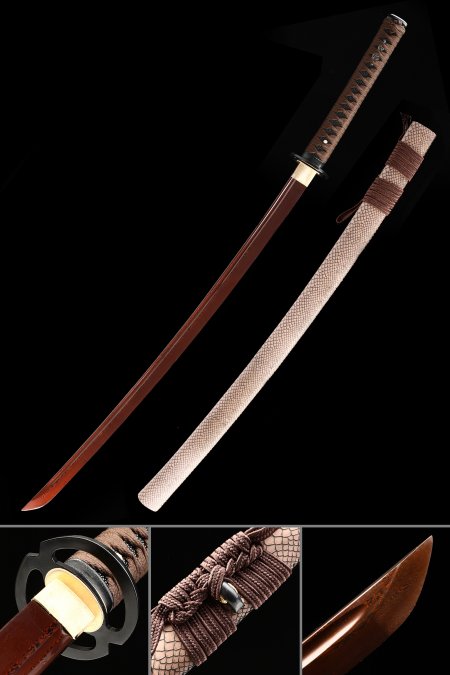
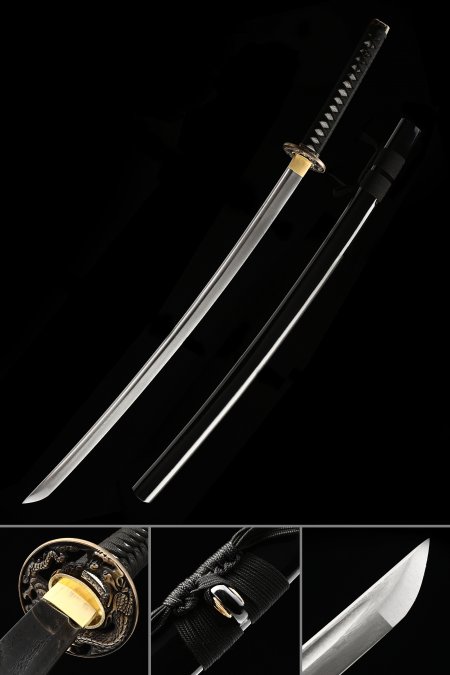
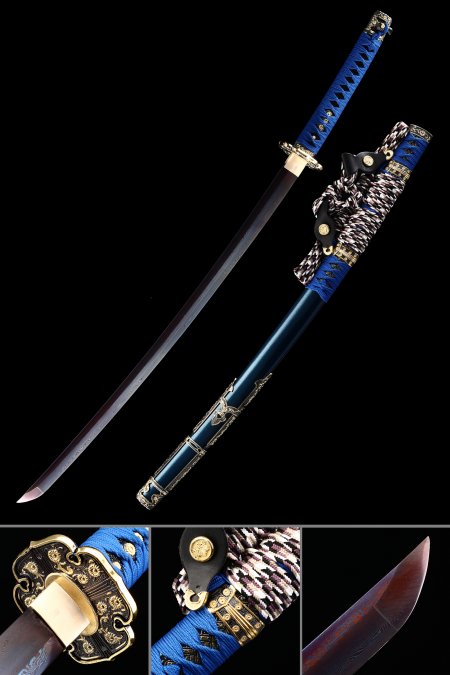
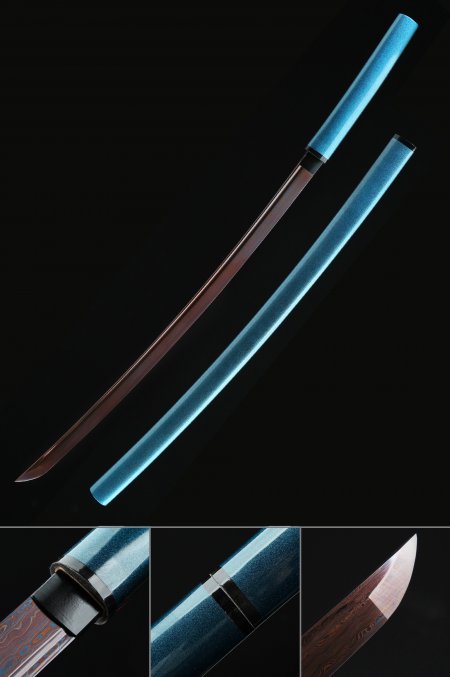
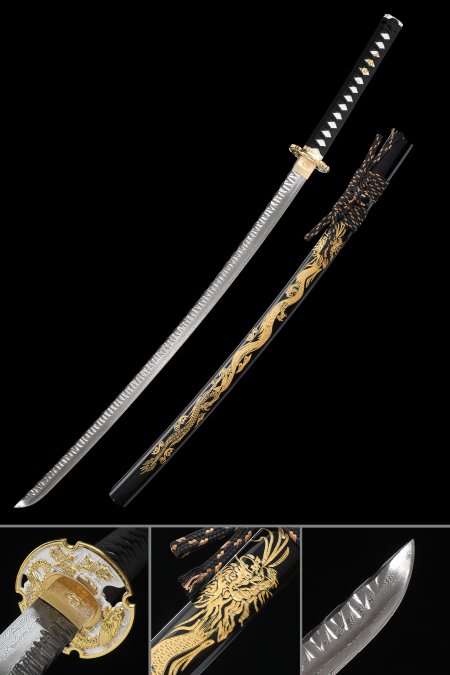
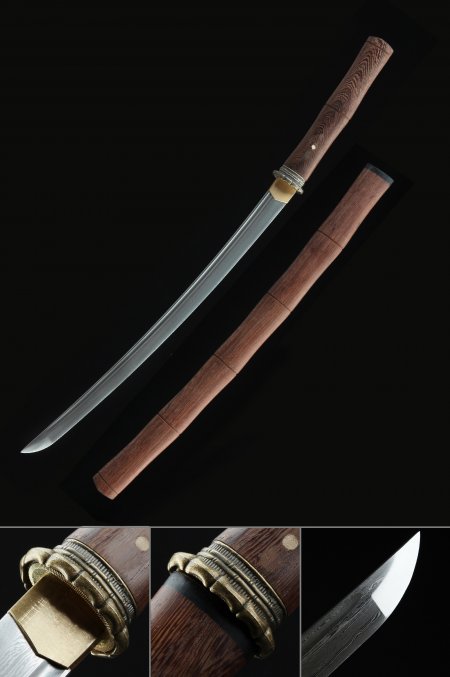
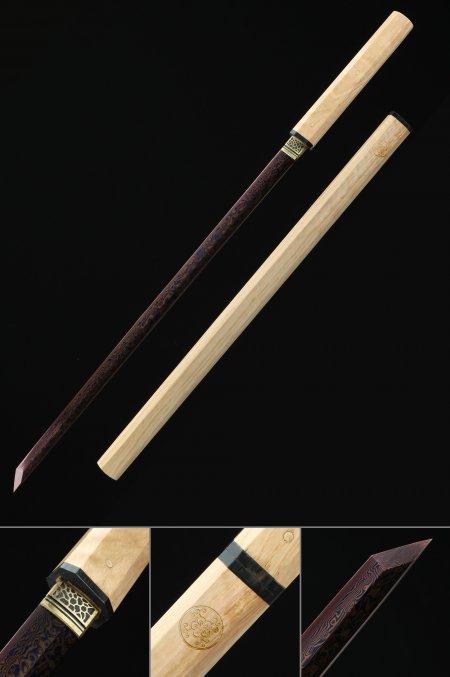
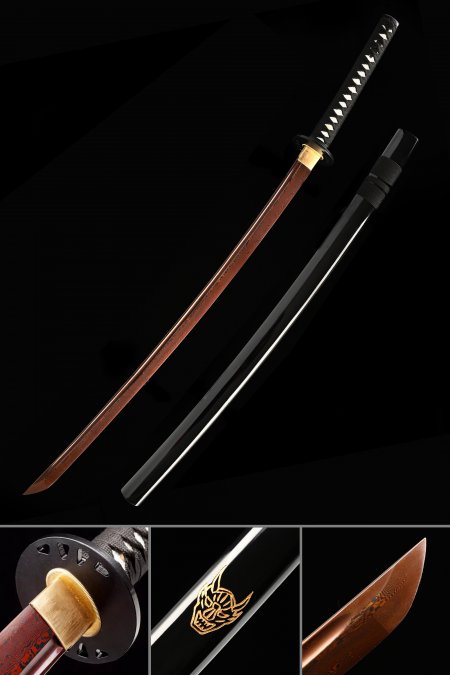
Damascus steel in modern sword production refers to pattern-welded steel made by forge-welding two or more different steel alloys together and working the combined billet through a series of folding, drawing, and manipulation steps until the alloys create layered structures. The different alloys respond differently to acid etching - one etches darker, one remains lighter - which reveals the layer structure as a visible pattern on the blade's surface after polishing and etching. This pattern is the defining visual characteristic of Damascus steel and is entirely absent from mono-steel blades made from a single alloy. Beyond the visual character, pattern-welded Damascus has structural properties derived from its construction: the repeated folding refines the steel's grain structure and can produce a blade with qualities that draw on the different alloy compositions used. Modern Damascus sword steel typically combines high-carbon and low-carbon steels, which can produce an edge zone with high-carbon characteristics alongside a body with tougher low-carbon properties. The result is both visually distinctive and structurally capable as a sword material.