How do I care for the Damascus steel surface on an odachi sword?
Updated Feb 2026
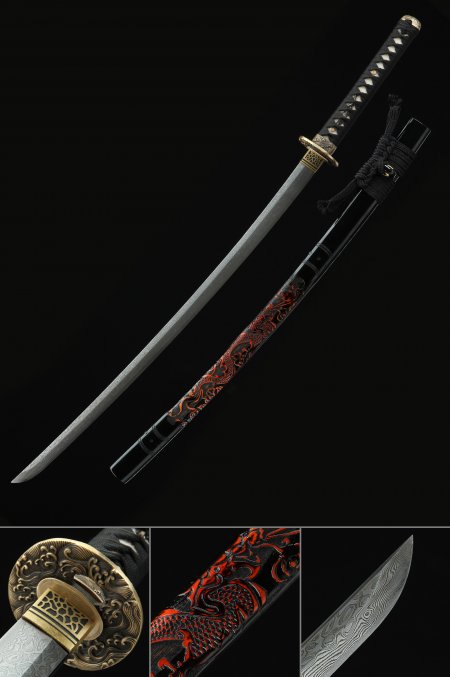
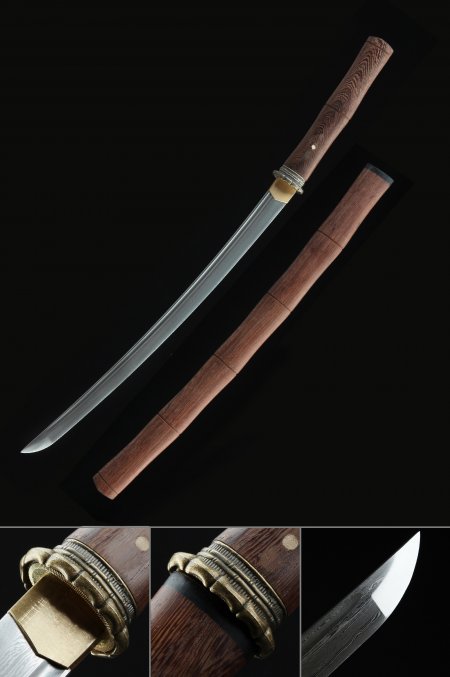
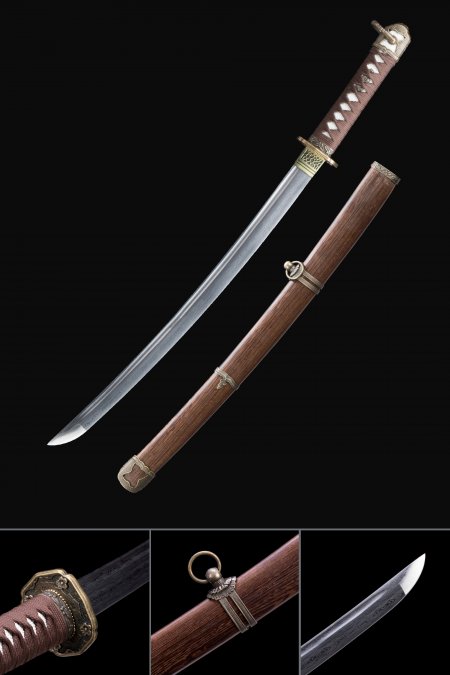
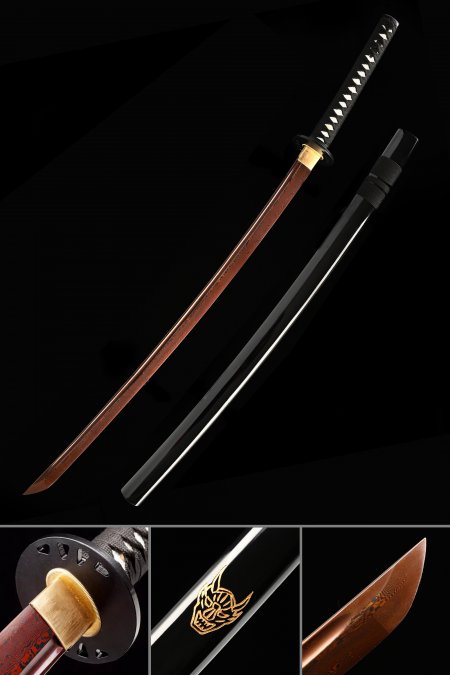
Caring for the Damascus steel surface on an odachi requires the same core approach as any high-carbon steel Japanese sword collectible, with one specific consideration for Damascus steel. The acid-etching process that reveals the Damascus pattern leaves the blade surface slightly more textured and porous than a standard polished blade, which means Damascus blades can be marginally more susceptible to surface oxidation if moisture is allowed to remain on them. Prompt wiping after handling is therefore particularly important. After any handling session, wipe the full blade surface with a soft lint-free cloth to remove fingerprints and moisture. Because the odachi's exceptional length means more surface area to cover, use a cloth large enough to wipe the full blade in a single pass rather than working in short sections. Apply a thin coat of camellia oil or mineral oil along the full blade length using a clean cloth, then buff away any excess. Avoid abrasive cloths or polishing compounds, which can wear down the etched surface and dull the Damascus pattern over time. Store the odachi on a floor stand or long-blade wall bracket in a low-humidity environment.