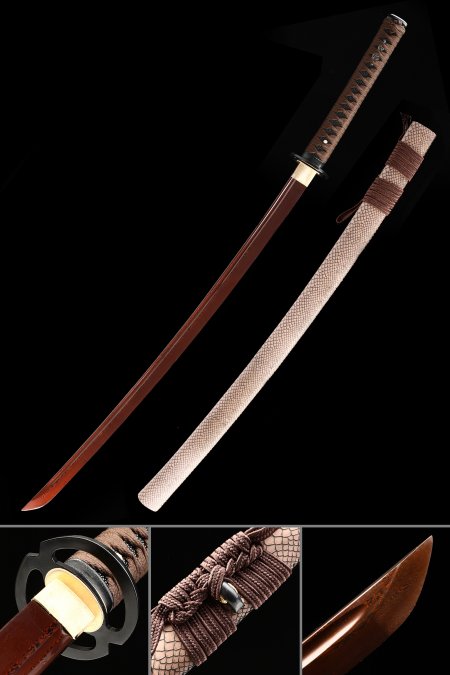
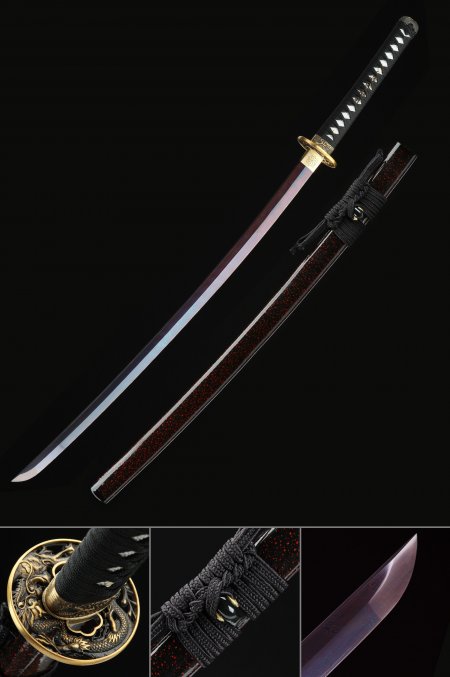
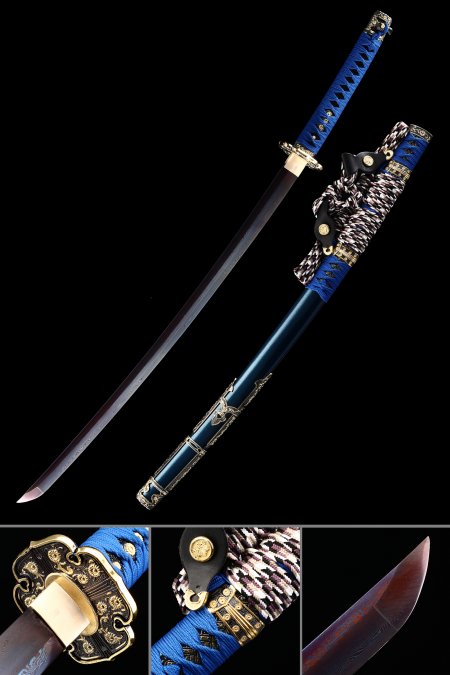
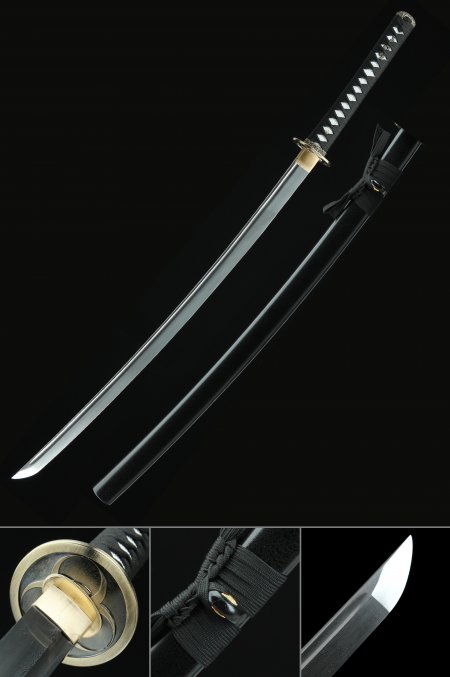
How does a T10 steel sword compare to a Damascus steel sword for collectors?
Updated Feb 2026
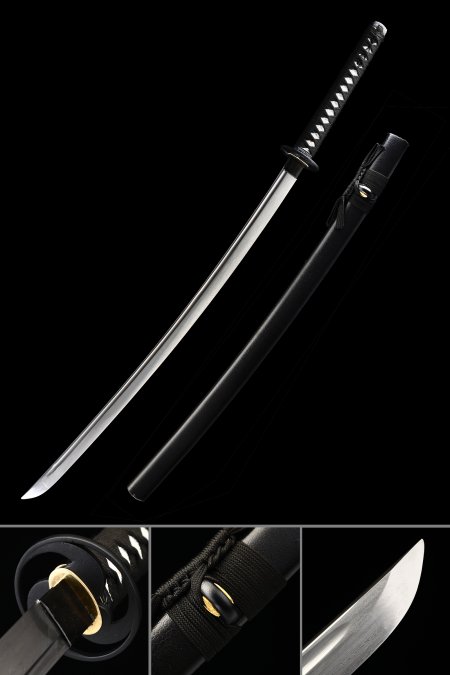
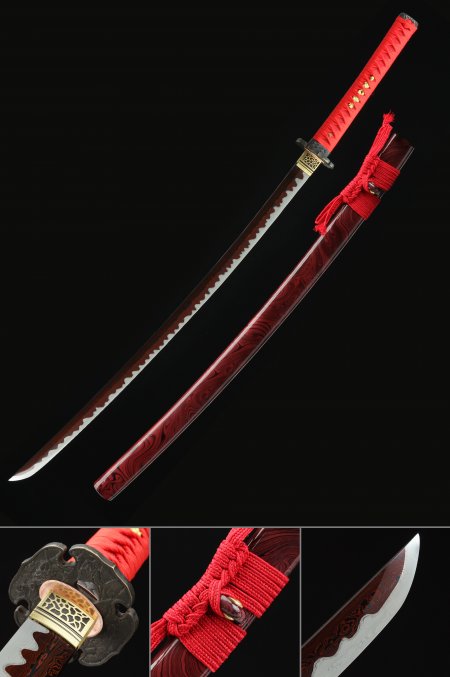
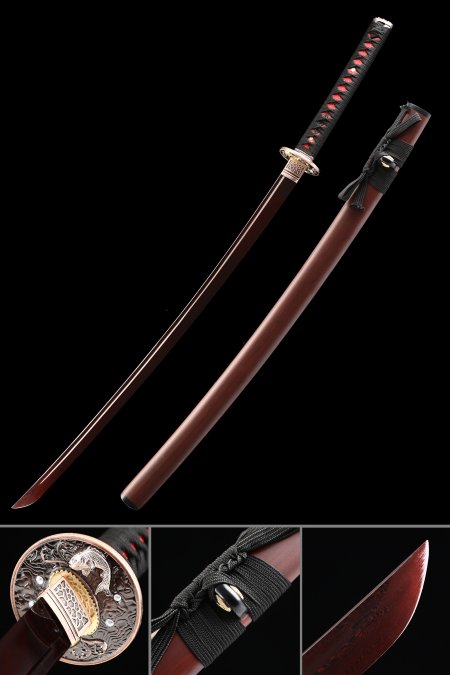
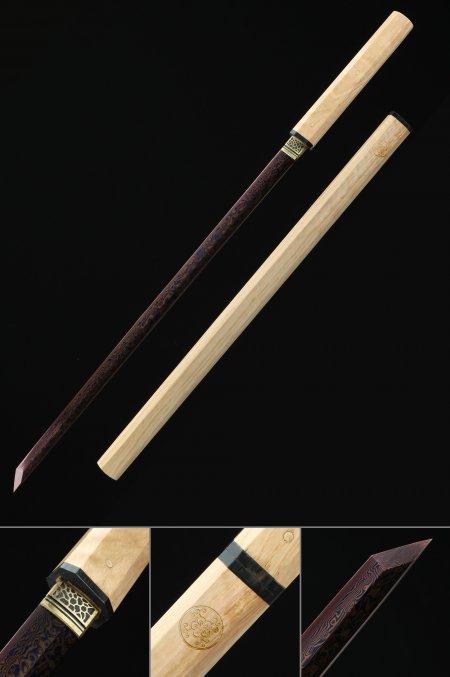
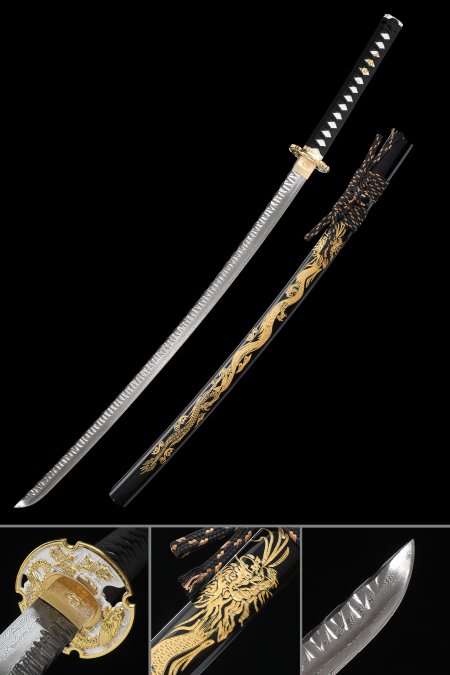
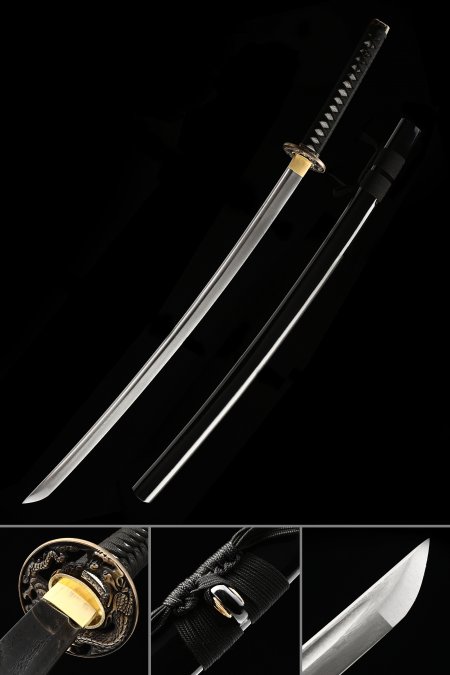
T10 steel and Damascus steel represent different approaches to making a visually distinctive high-carbon blade, and the choice between them is primarily a question of which type of visual character the collector finds more appealing. A T10 steel sword's primary visual distinction is the hamon temper line: a well-defined hamon on a T10 blade has a clarity and depth that reflects the genuine differential hardness structure of the blade's heat treatment, making it a technically meaningful detail rather than a purely cosmetic one. The rest of the T10 blade surface is typically polished to show the steel's natural character with minimal additional treatment. A Damascus steel sword, by contrast, offers surface patterning across the full blade area - the flowing, water-like patterns that result from fold-forged layered construction cover the entire blade and vary in density and character across the full length. Damascus patterning is more immediately striking to the casual viewer, while a T10 hamon rewards closer inspection and knowledge of what the detail represents. Many serious collectors eventually acquire examples of both.