What makes a metal samurai sword different from a decorative sword?
Updated Feb 2026
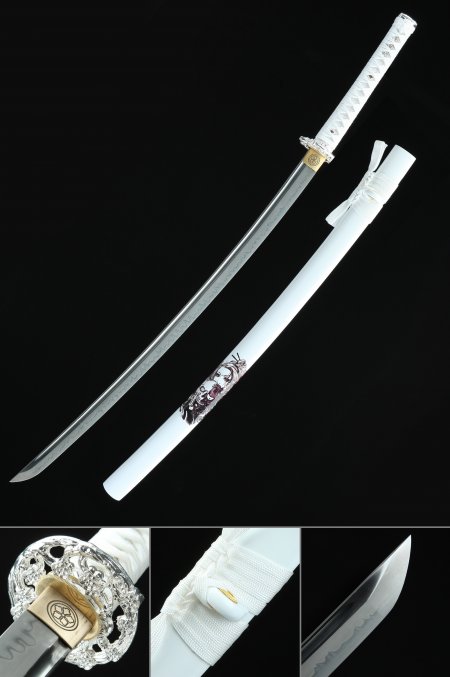
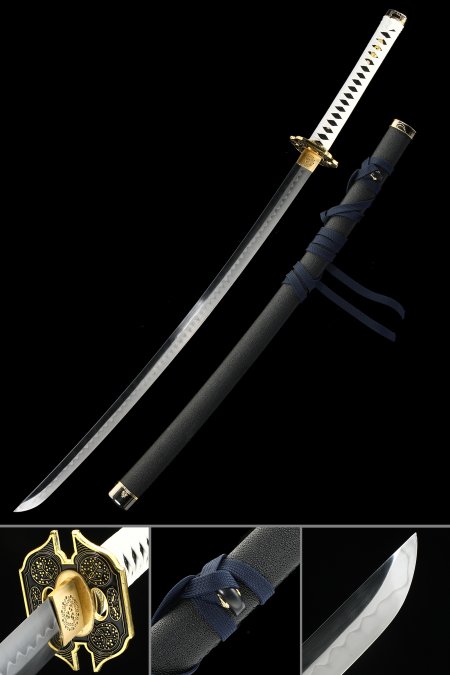
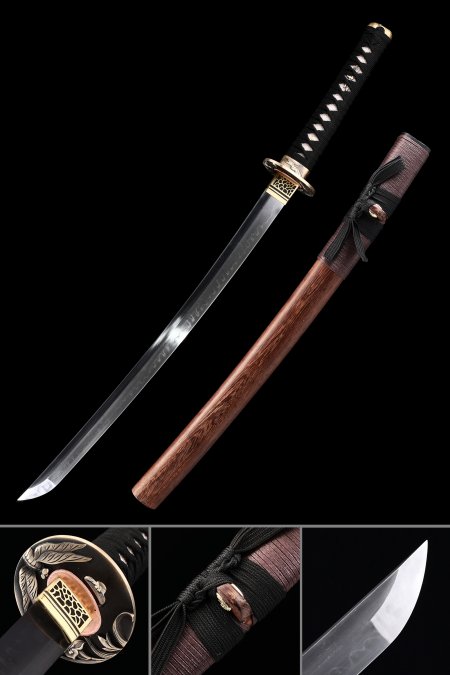
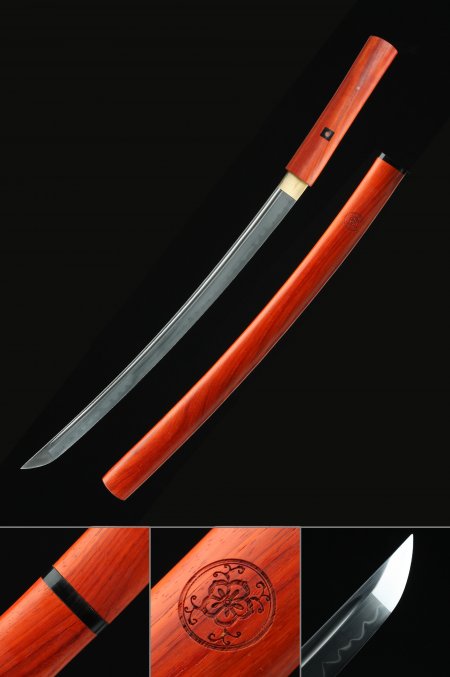
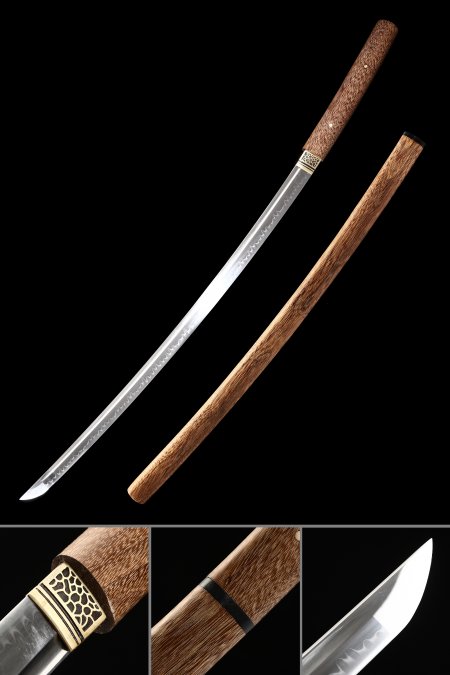
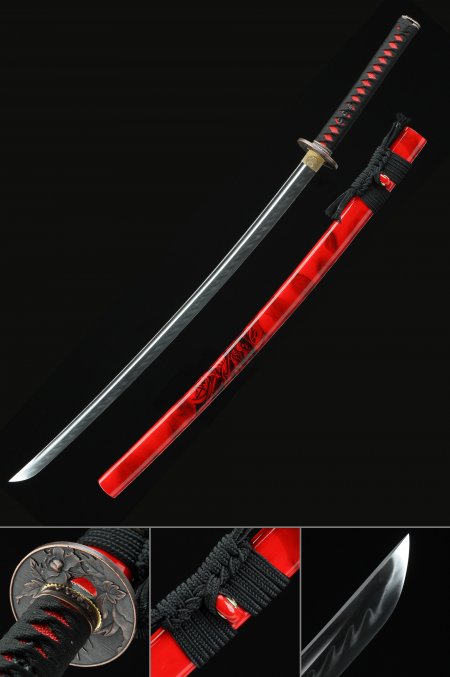
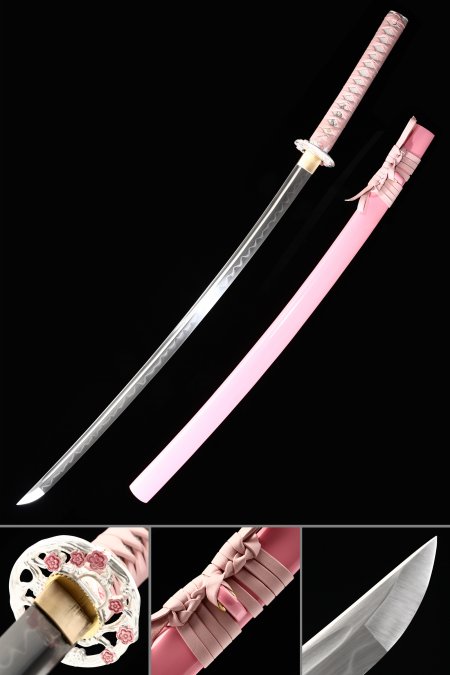
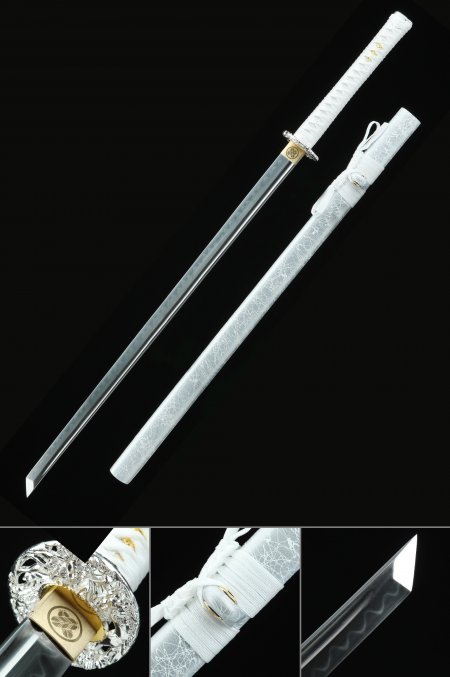
The distinction between a metal samurai sword positioned as a quality collectible and a purely decorative sword comes down to several key construction differences. The most important is the blade steel: a quality metal samurai sword uses high-carbon steel - 1045, T10, or Manganese Steel - that has been forged and heat-treated to develop actual hardness and structural integrity. Decorative swords typically use stainless steel, which cannot be differentially heat-treated to produce a hamon and tends to be more brittle despite its rust resistance. The second key difference is tang construction: a quality metal samurai sword has a full tang running the steel continuously from blade tip through the complete handle, secured by a mekugi pin. Decorative pieces often use a shortened or rat-tail tang glued into the handle, which has no structural integrity and is apparent to any collector who examines the assembly. Third, the fitting quality: authentic samurai-style fittings - properly fitted tsuba guard, consistent ito wrapping, and a lacquered saya scabbard - indicate a piece built with care rather than assembled for visual effect alone.