What is the difference between a short katana and a standard katana?
Updated Feb 2026
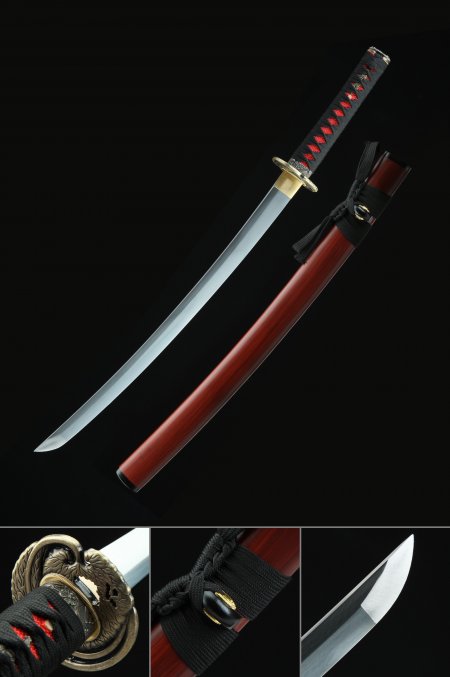
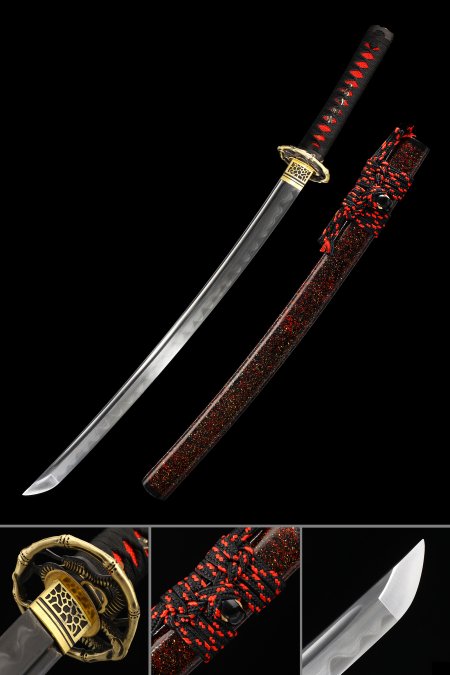
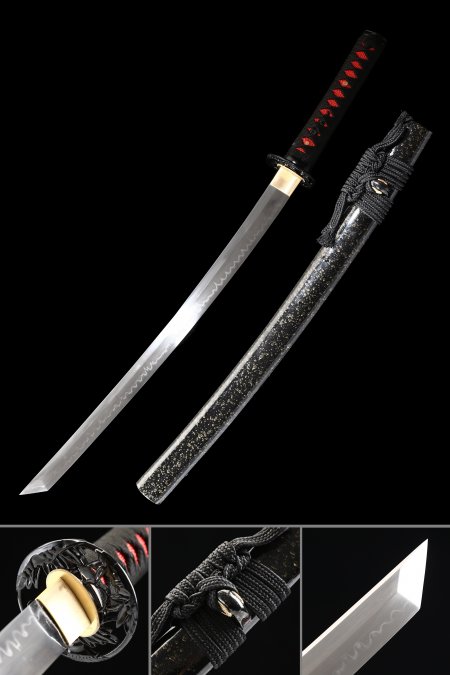
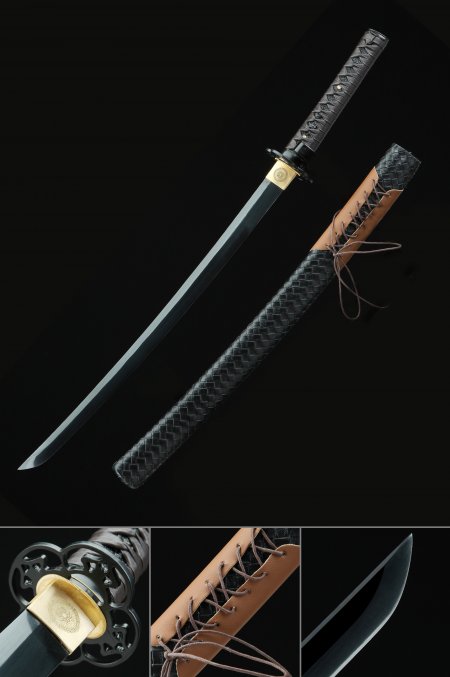
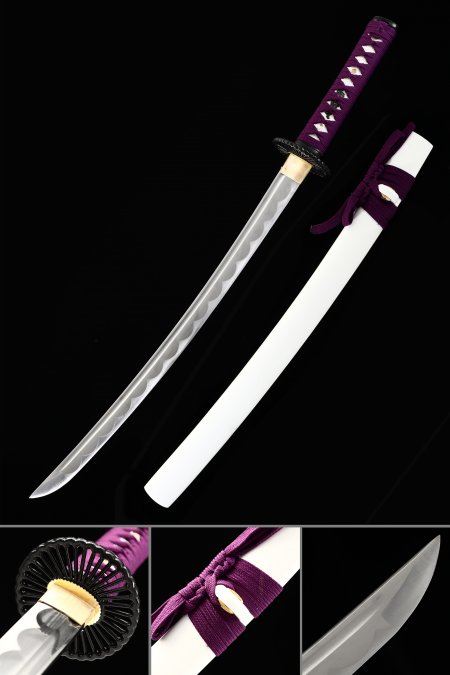
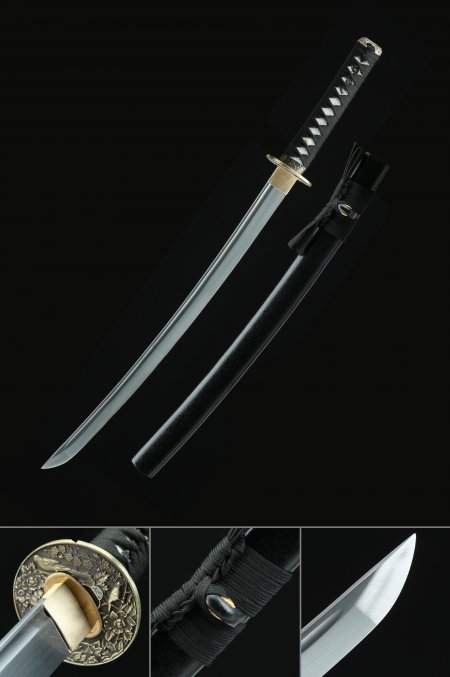
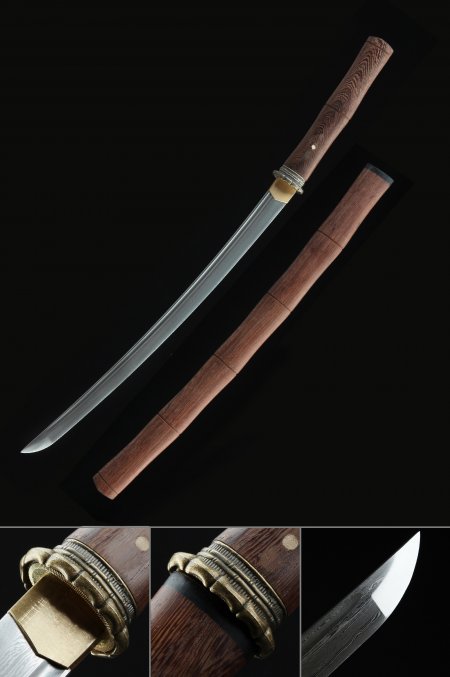
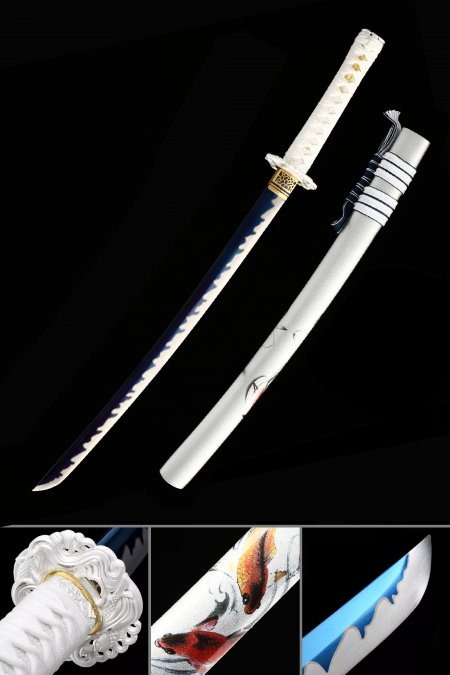
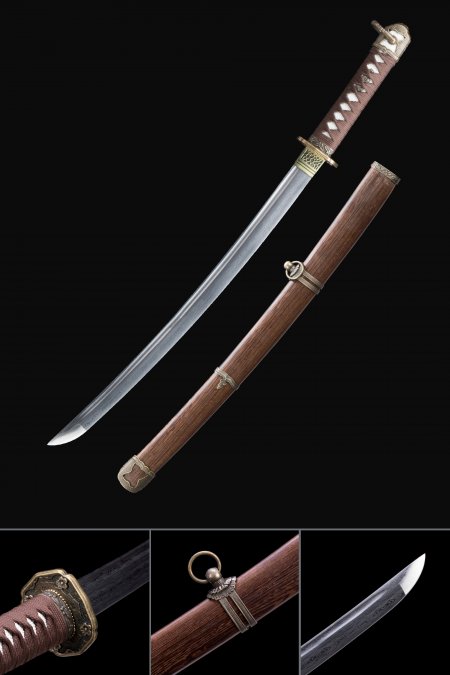
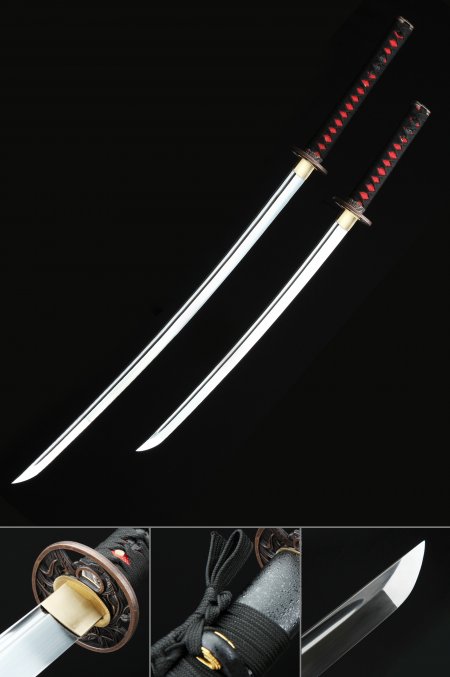
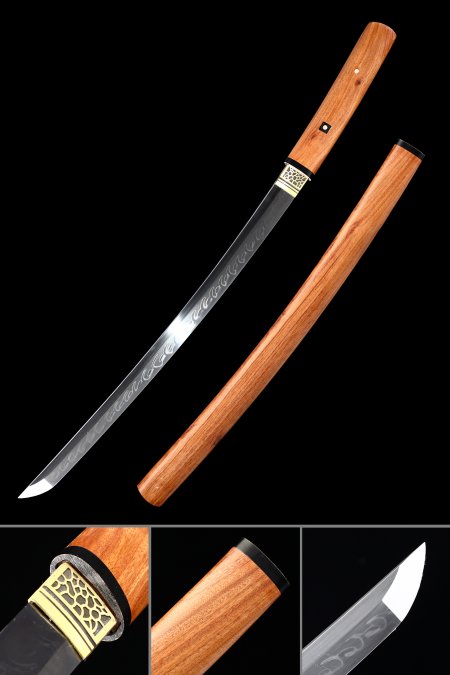
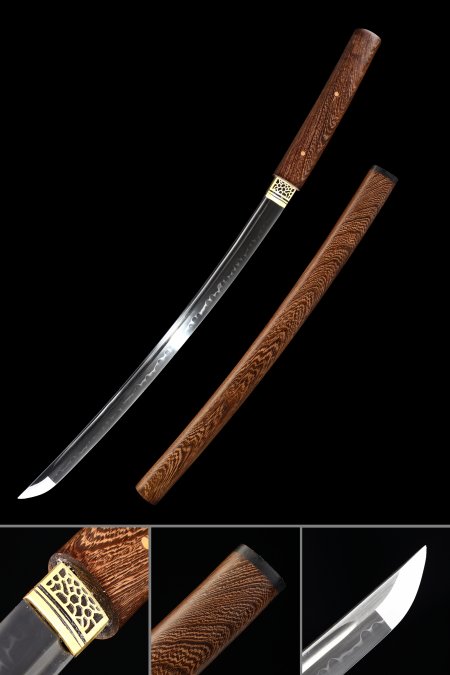
The primary difference between a short katana and a standard katana is blade length and overall scale, with all other design and construction elements remaining essentially consistent between the two. A standard katana has a blade length of approximately twenty-seven to thirty inches, with an overall length of thirty-eight to forty-two inches including the handle. A short katana reduces the blade to approximately twelve to twenty-four inches in length, scaling the handle proportionally but otherwise maintaining the same curved single-edged profile, tsuba guard, ito-wrapped handle, and matching scabbard that define the katana form. The shorter blade affects the overall visual presence of the piece in a display context - a full-length katana commands more physical space - but the compact format has its own advantages: it displays in smaller spaces, fits standard display hardware without special clearance requirements, and handles more comfortably for close inspection. In historical Japanese context, the short katana length corresponds to the wakizashi category, which was the shorter blade of the samurai daisho pair.