What is a T10 clay-tempered short katana and why is it collectible?
Updated Feb 2026
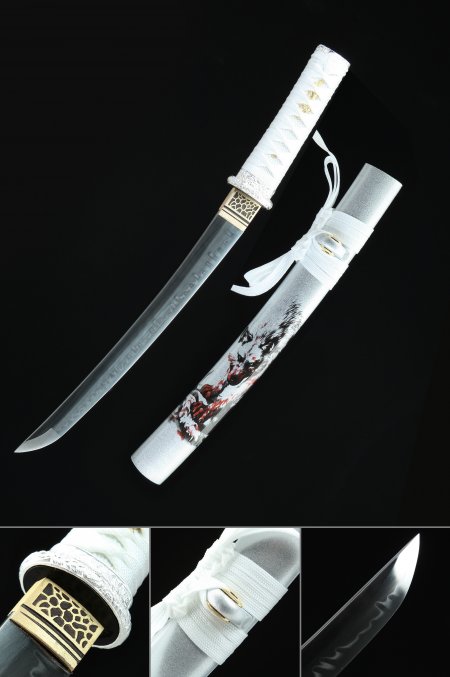
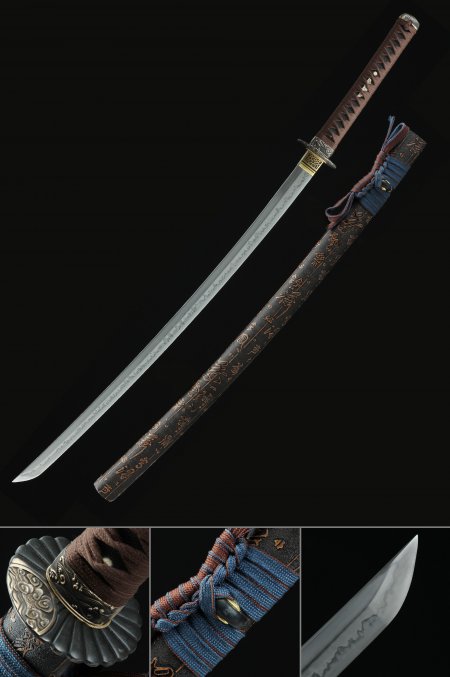
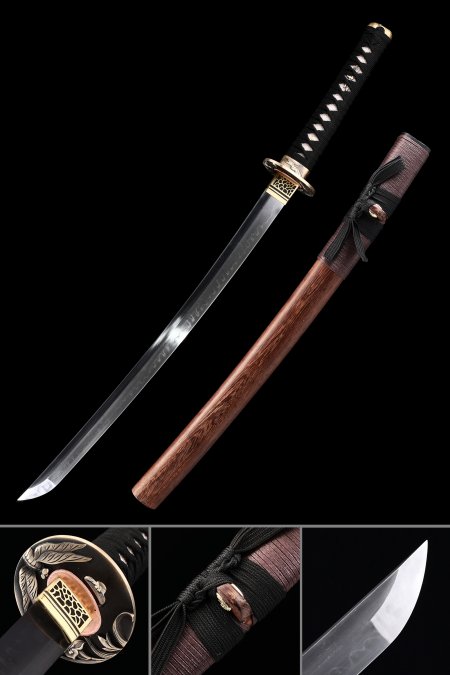
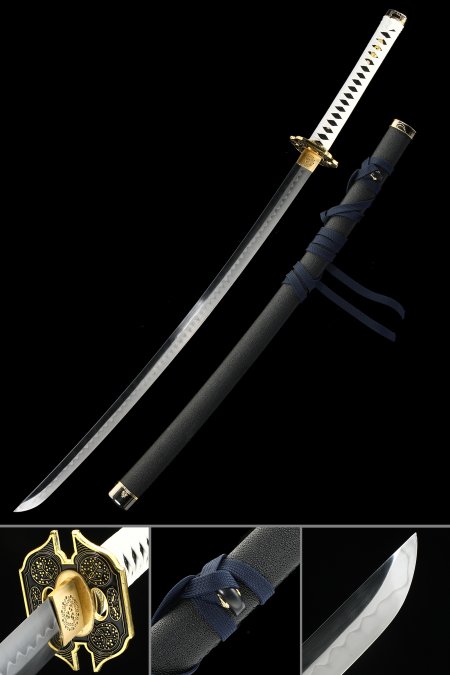
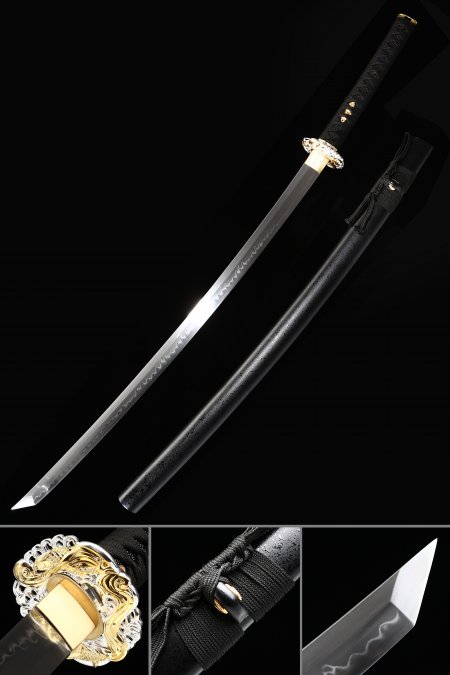
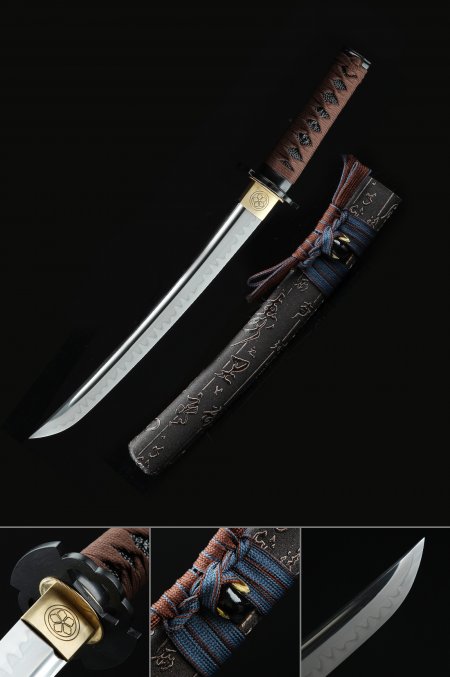
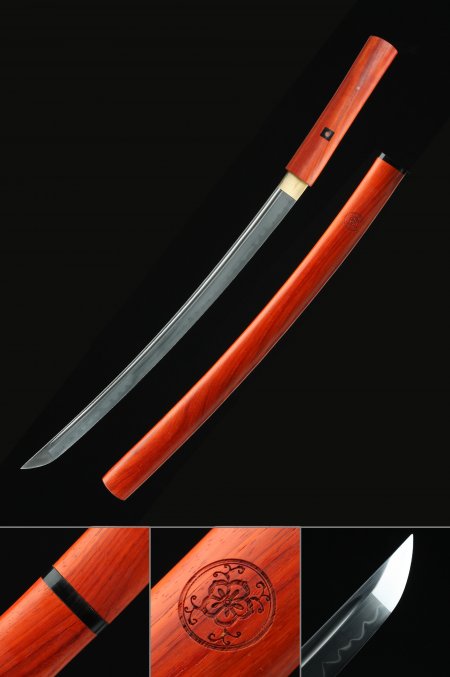
A T10 clay-tempered short Japanese katana is a blade forged from T10 carbon steel - a premium grade with tight grain structure and controlled carbon content - and heat-treated using the clay tempering method that is the most traditional and technically demanding differential hardening technique in Japanese sword-making. In the clay tempering process, a thick layer of clay is applied to the blade spine before quenching, leaving the edge area uncovered or covered with a thinner clay layer. When the blade is quenched in water or oil, the clay-insulated spine cools slowly while the edge cools rapidly, producing a blade with a hard edge zone and a tougher spine zone. The boundary between these two zones is where the hamon forms: the wave-patterned visible line that indicates where the differential hardening took effect. On T10 steel, the hamon is typically well-defined and shows visible activity within the transition zone - nie, nioi, and other structural features that experienced collectors evaluate carefully. A T10 clay-tempered short katana with a well-defined hamon is the most technically accomplished configuration in the short Japanese katana category.