What distinguishes a warrior-grade Chinese sword from a decorative Chinese sword?
Updated Feb 2026
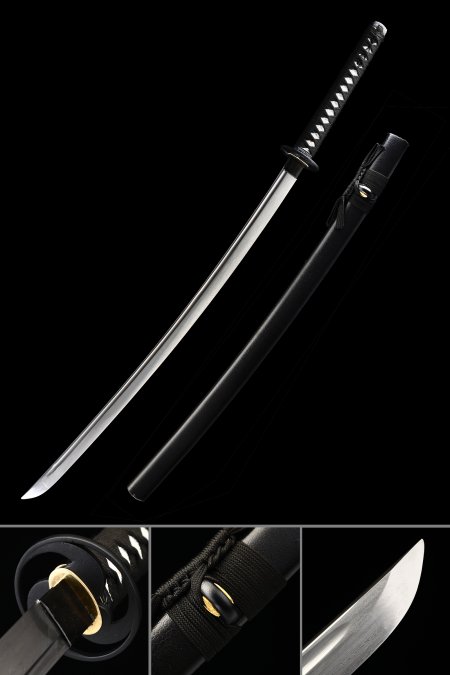
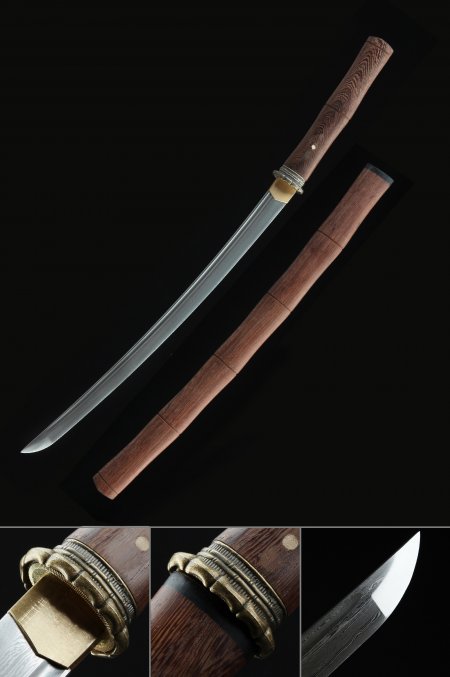
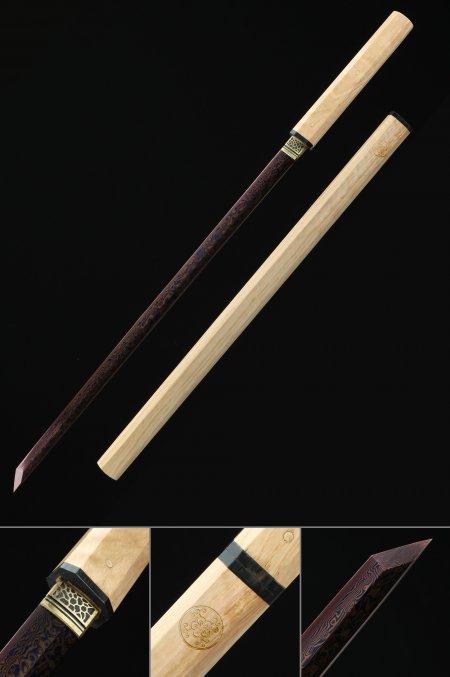
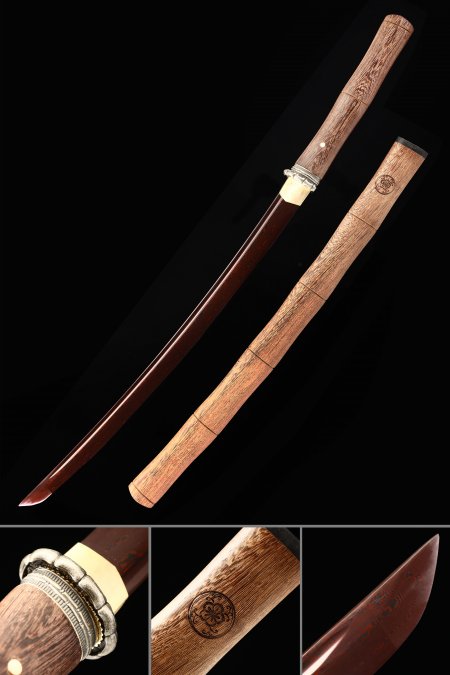
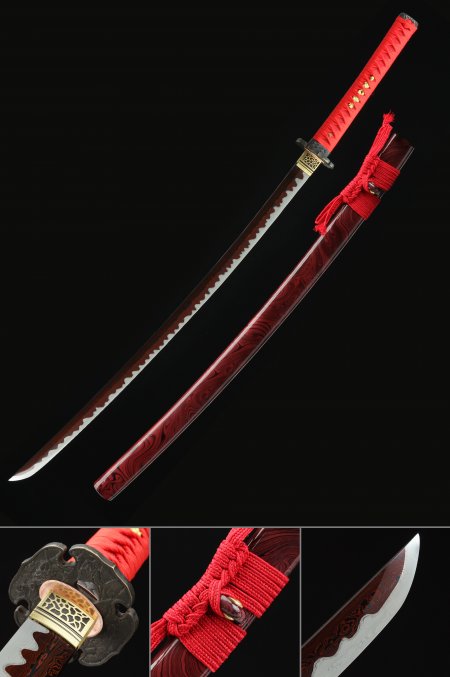
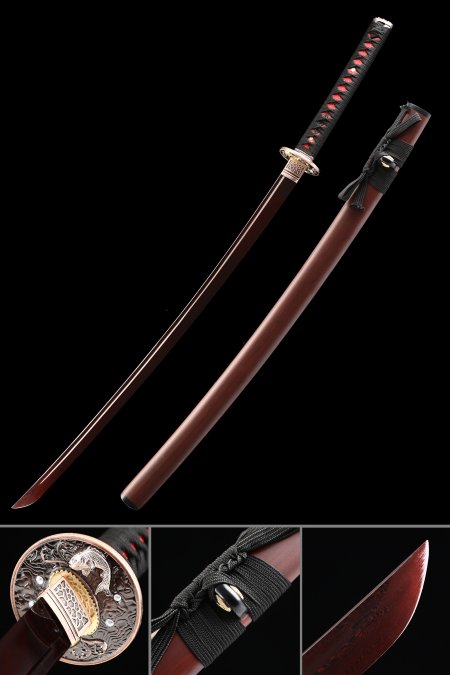
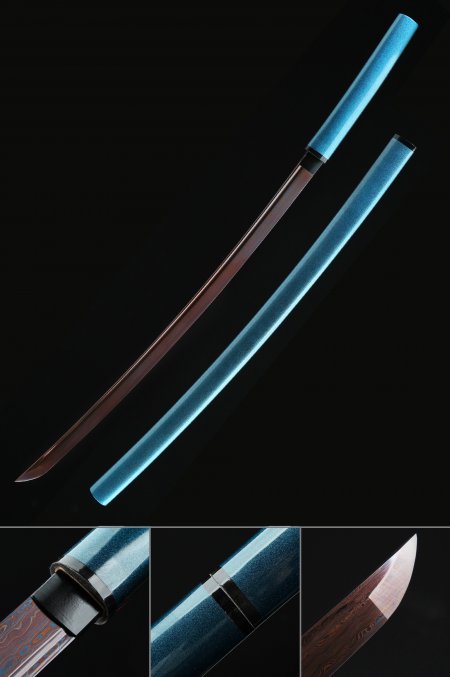
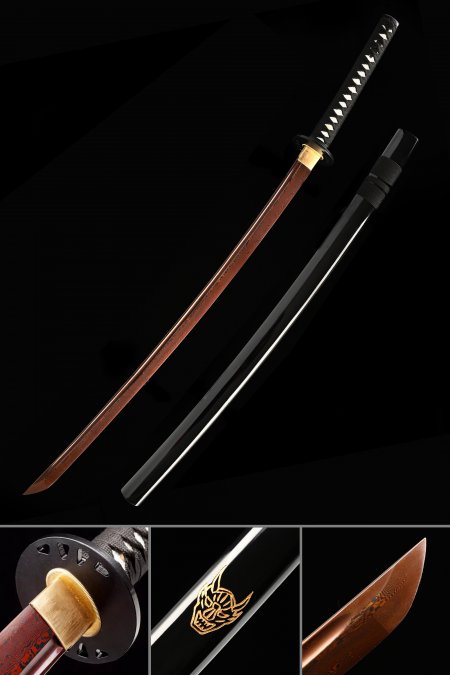
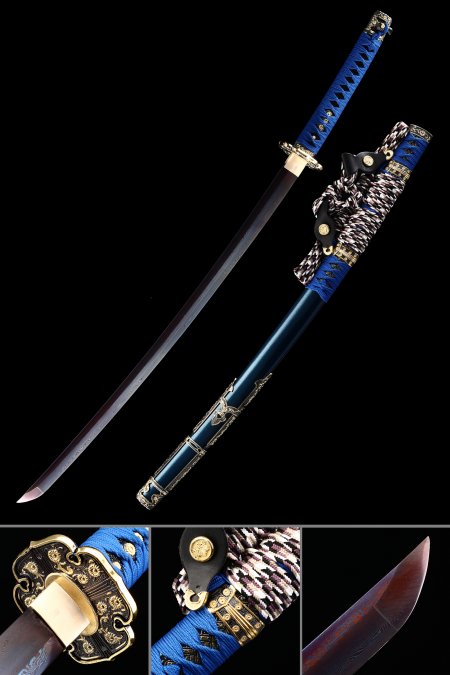
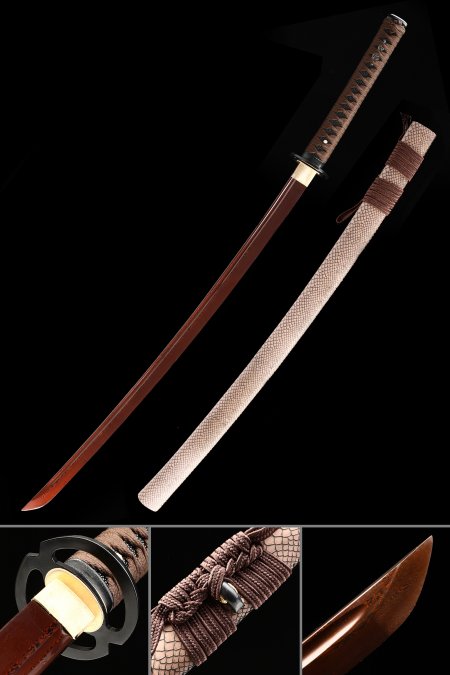
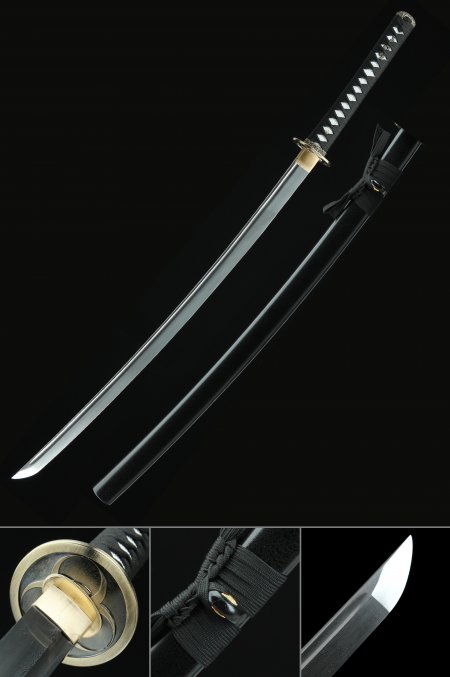
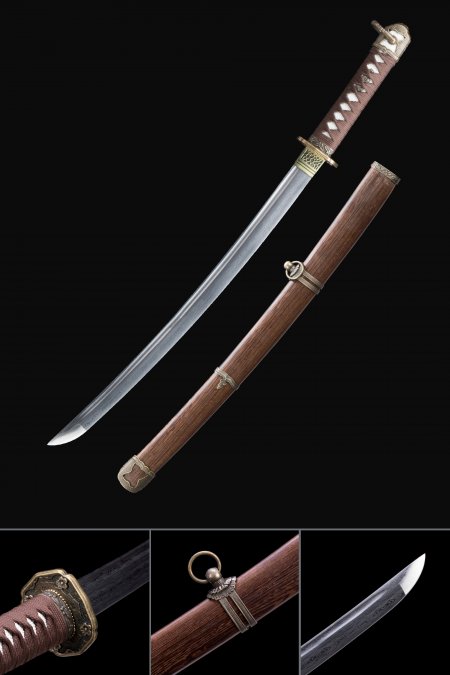
A warrior-grade Chinese sword collectible is distinguished from a decorative alternative by the materials and construction methods used throughout the piece. The most critical distinction is in the blade steel: a warrior-grade Chinese sword uses high-carbon steel - 1095, Manganese Steel, 1045, or Damascus - that can be properly forged and heat-treated to achieve genuine hardness appropriate to a quality blade collectible. Decorative alternatives frequently use stainless steel, which cannot be properly heat-treated and produces a blade that is soft, brittle, or both despite its attractive finish. Full-tang construction is the second critical distinction: a warrior-grade sword has the blade steel running from tip through the complete handle, secured by a retention pin, providing structural integrity that a partial-tang or adhesive-only handle cannot match. The quality and fit of the metal fittings is the third area of difference: on a warrior-grade piece, the guard, habaki-equivalent collar, and pommel are solid metal components fitted precisely, while decorative alternatives may use pot metal castings or plastic fittings coated to appear metallic.