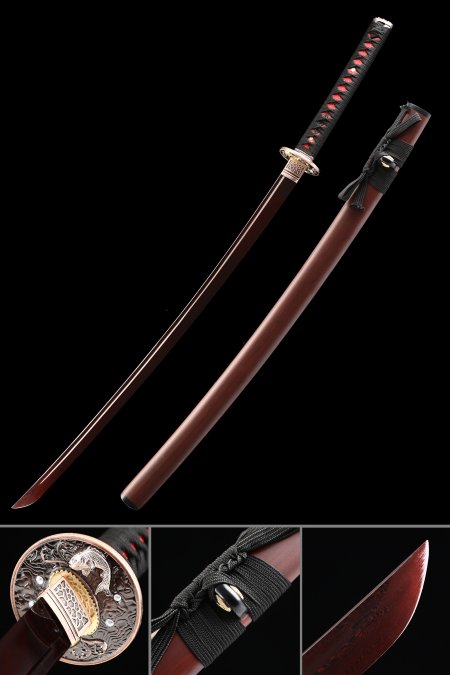
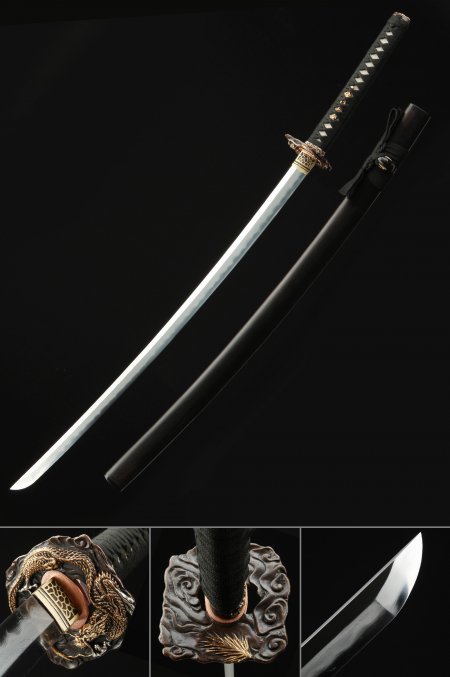
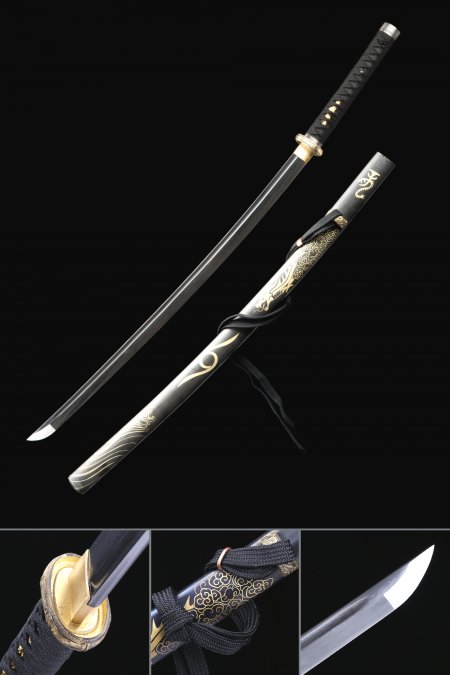
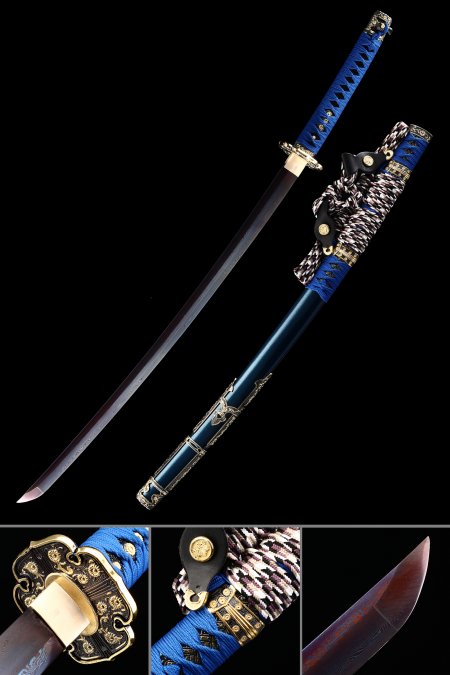
What is the range of historical Chinese saber forms and which are available here?
Updated Feb 2026
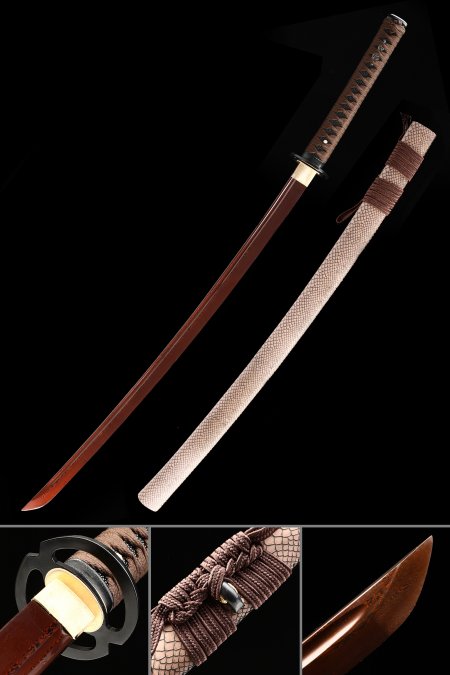
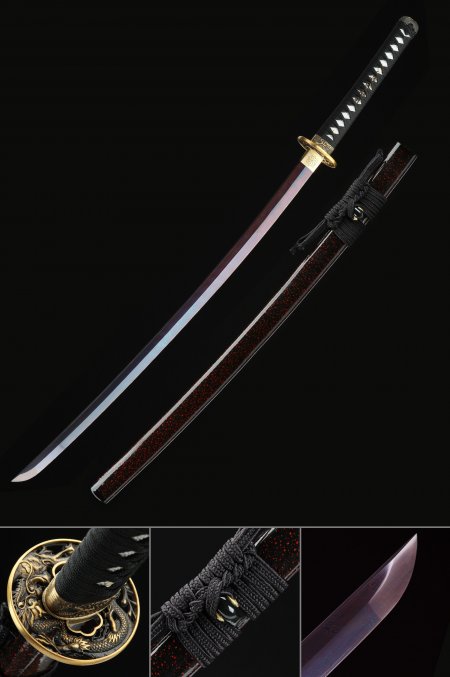
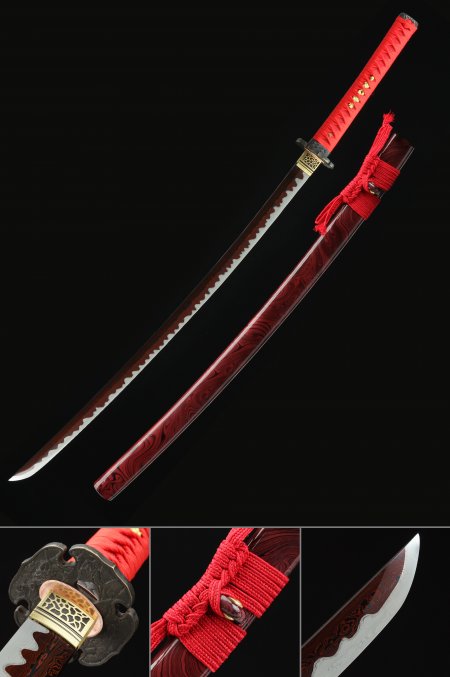
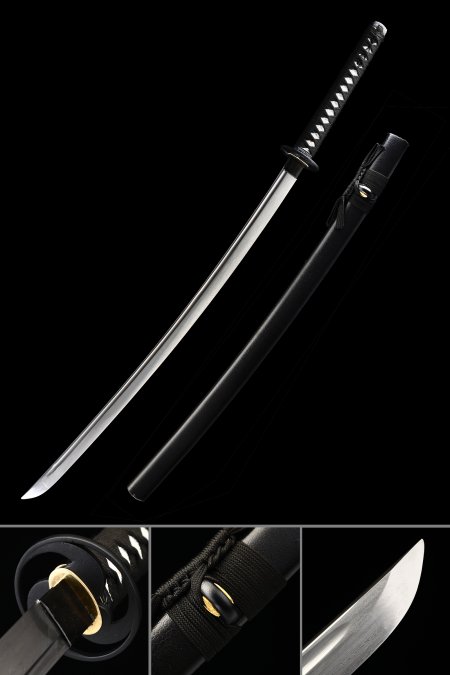
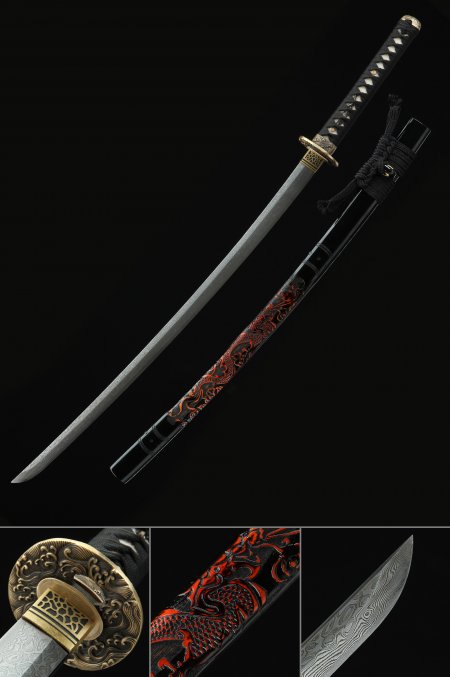
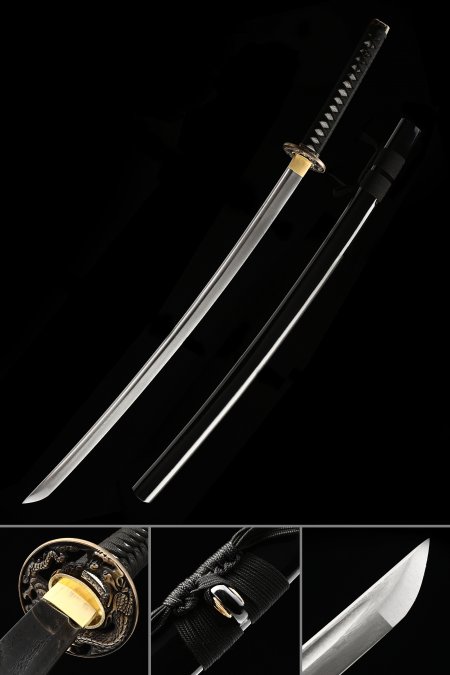
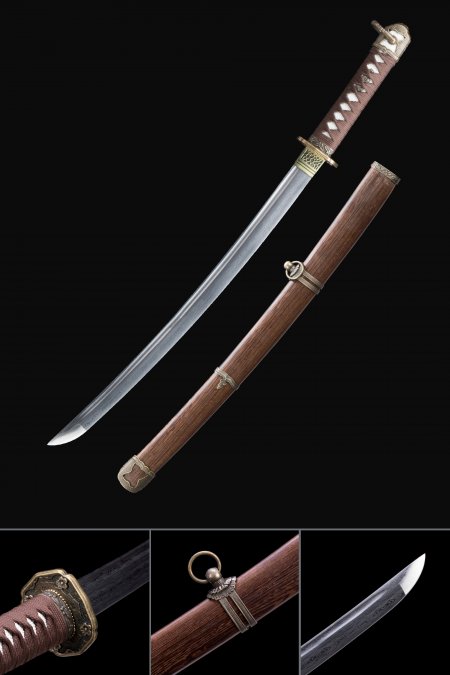
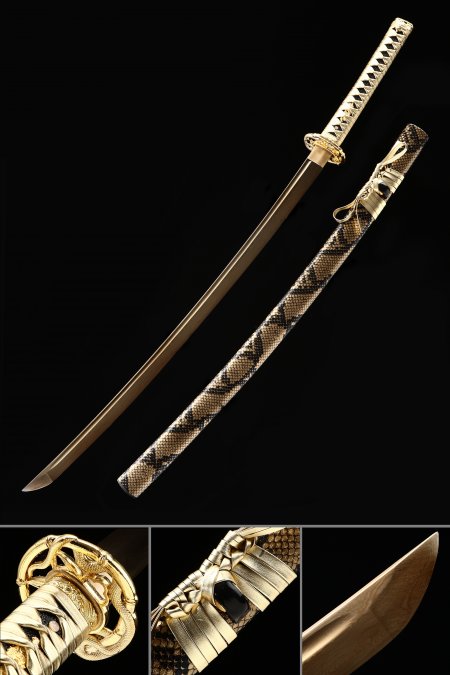
The historical Chinese saber tradition spans a remarkably wide range of blade forms that evolved through successive Chinese dynasties from the Han period onward. Early Han Dynasty sabers tended toward relatively moderate curves and broad blade profiles. Tang Dynasty saber forms developed more pronounced single-edged curves and refined the ring pommel that became a defining feature of Chinese sabers. Song and later dynasty sabers developed further regional variations including the hudiedao butterfly swords and the zhanmadao long saber. The collection draws primarily on the most widely collected Chinese saber forms: the standard dao broadsword representing the classic Chinese military saber, officer presentation sabers with refined fittings appropriate to high-status usage, and single-edged curved configurations that reference the cavalry saber tradition. Damascus steel pieces and plain carbon steel pieces are both available across these main form categories. All pieces are identifiable as Chinese saber forms by their fundamental design characteristics: single sharpened edge on the outer curve, spine on the inner curve, and the ring pommel that appears on most Chinese saber forms from the Han Dynasty onward.