How do I verify that a Chinese sword is genuinely battle-ready construction?
Updated Feb 2026
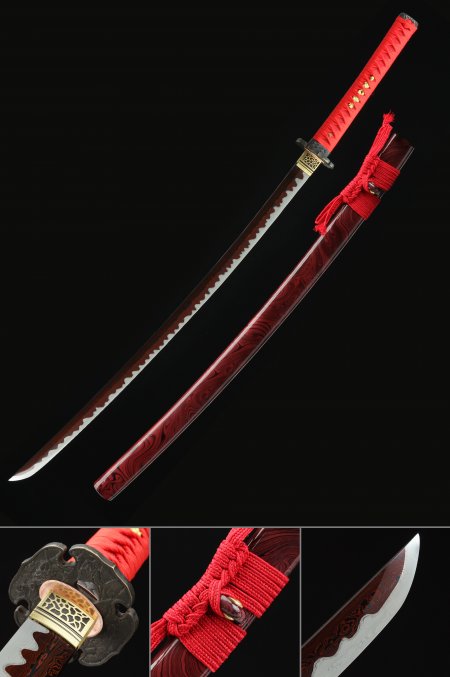
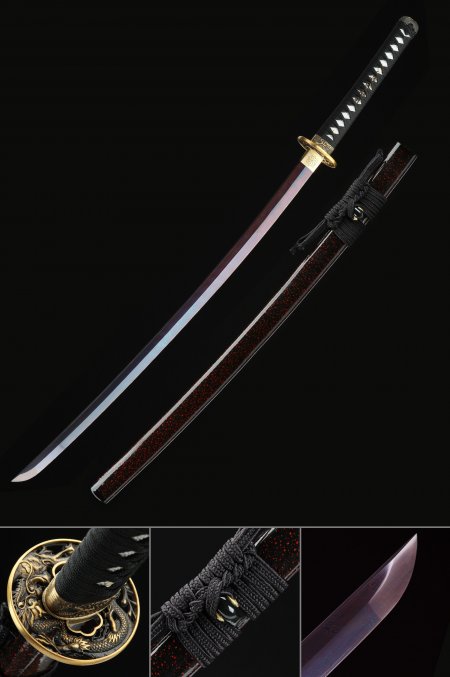
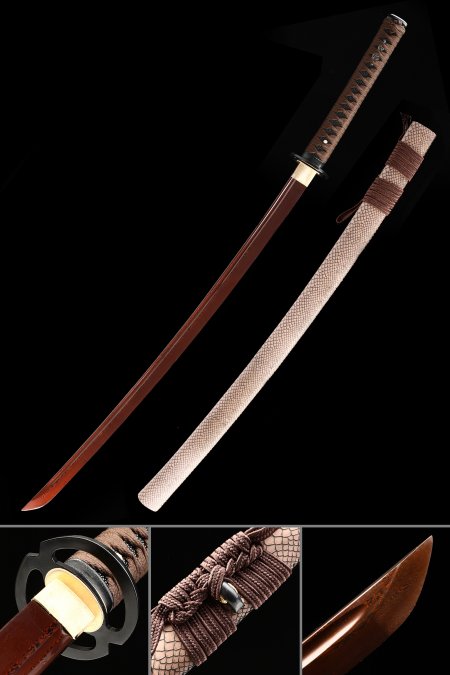
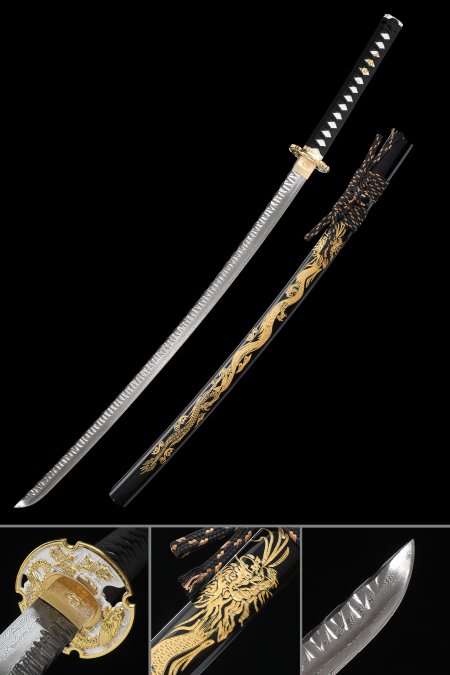
Verifying that a Chinese sword is genuinely battle-ready construction involves several checks that can be made through product information and, once the sword is in hand, through physical inspection. In product listings, look for explicit steel grade specification - Manganese Steel, 1095, 1045, or Damascus - rather than vague material descriptions. Full-tang construction should be specified, with the blade steel running from tip through the complete handle. Once you have the sword, physical inspection begins with the handle: if the handle is loose relative to the blade, or if the pommel-to-guard distance is clearly longer than the blade tang would need to be for full coverage, the construction may be partial-tang. Checking the mekugi pin or equivalent retention system for security confirms handle integrity. The blade's edge geometry - consistently ground from spine to edge across the full blade length - distinguishes a properly constructed battle-ready blade from a cast or cheaply formed decorative piece. A Manganese Steel or 1095 blade will feel substantially heavier than a stainless or alloy alternative at the same dimensions, confirming material density. With full-tang high-carbon construction confirmed, the sword meets the battle-ready standard.