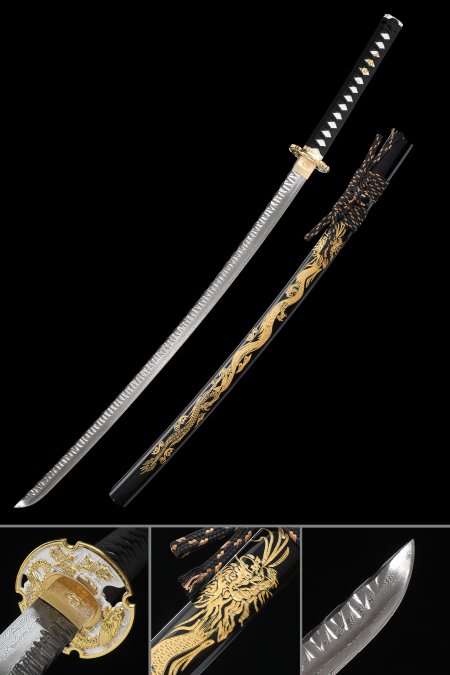
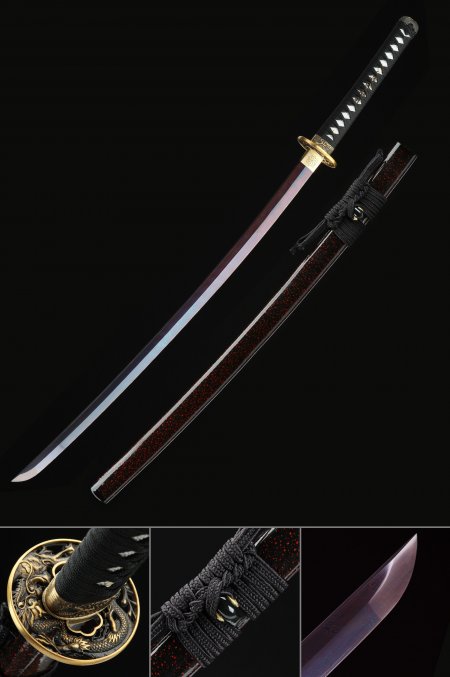
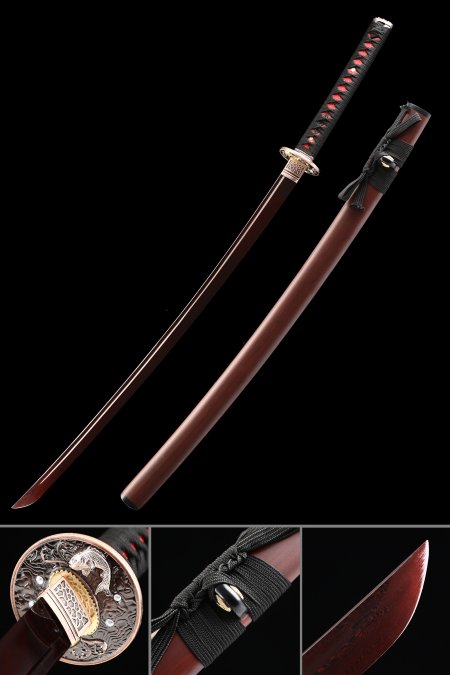
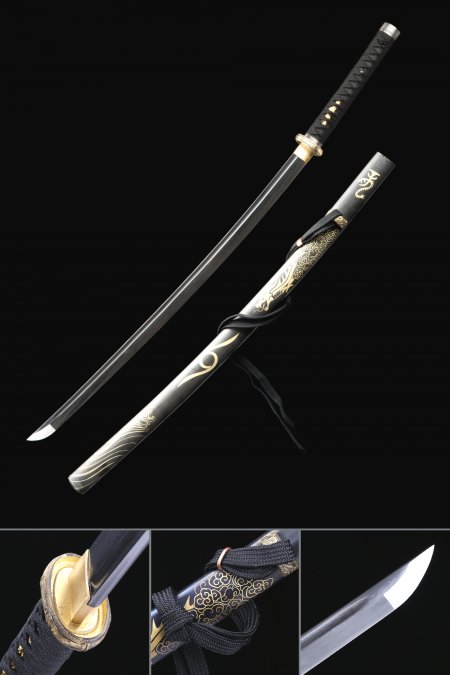
What is the hand folding process and why does it matter for katana quality?
Updated Feb 2026
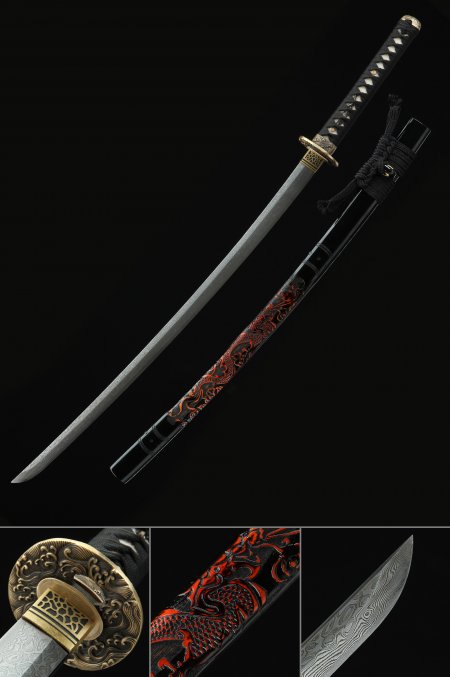
Hand folding is a traditional Japanese bladesmithing process where heated steel is hammered flat, folded over itself, and forge-welded back together. This process is repeated multiple times to refine the steel's grain structure, distribute carbon content more evenly throughout the blade, and create the layered internal architecture that defines traditional Japanese sword construction. Each fold doubles the layer count: 10 folds produces approximately 1000 layers, which is the standard layer count described in most traditionally-styled Japanese katana. The result of this process is a blade with finer, more uniform grain structure than non-folded steel and a characteristic surface pattern that reflects the layered construction when polished. For collectors, the fold-forged process is the most direct marker of traditional construction methods.