What construction techniques define a Japanese folding tanto?
Updated Feb 2026
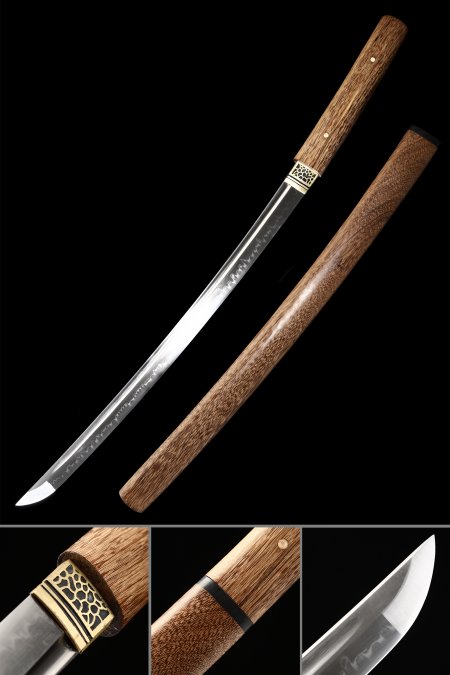
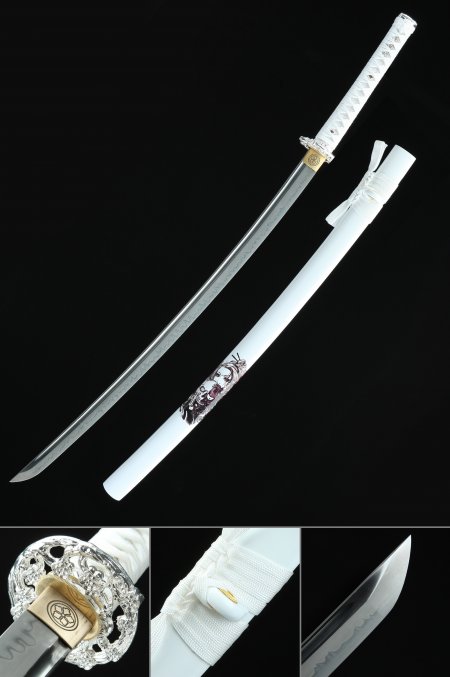
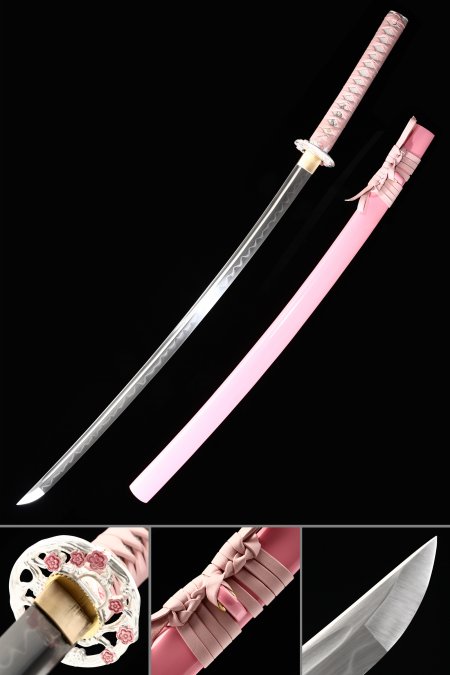
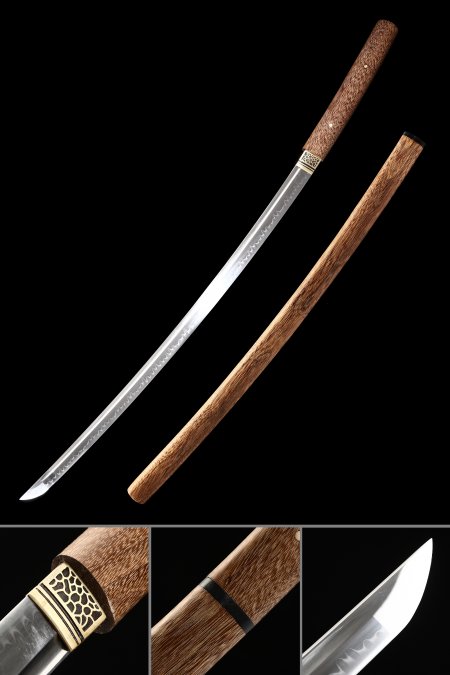
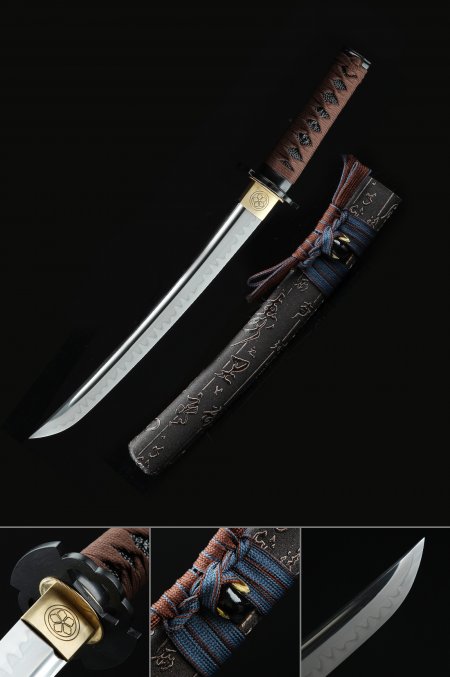
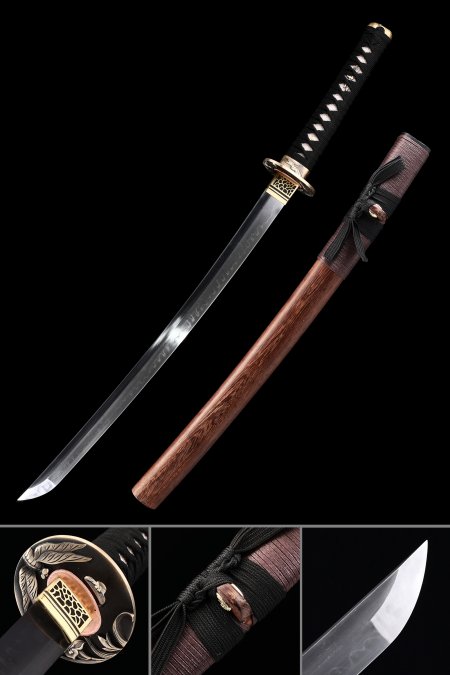
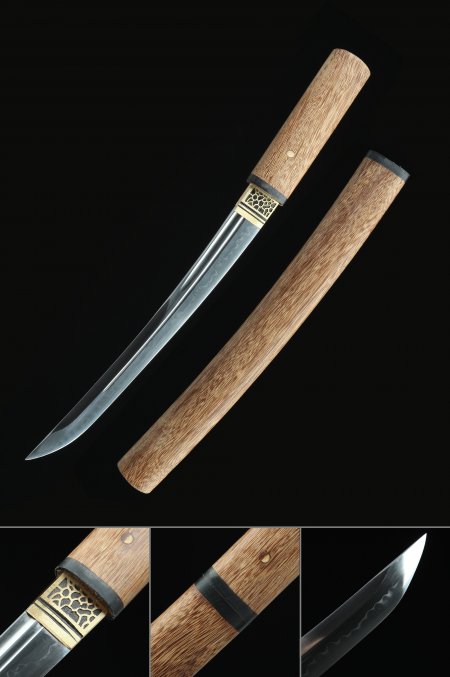
A Japanese folding tanto is built using traditional steel processing techniques that refine the blade material beyond standard single-alloy construction. The primary technique is differential clay tempering, applied to T10 or high-carbon steel: clay is applied to the spine before quenching to create a hard edge zone and a softer spine, producing the characteristic hamon temper line on the finished blade. In folded construction, the steel is heated and folded multiple times before forming, refining the grain structure. On a tanto's compact blade, these techniques produce a hamon of concentrated detail and a grain structure that rewards examination under magnification. A folding tanto in T10 with visible hamon is one of the most technically complete expressions of traditional Japanese bladesmithing in the small-format category.