What distinguishes fold-forged Damascus from other Damascus construction methods?
Updated Feb 2026
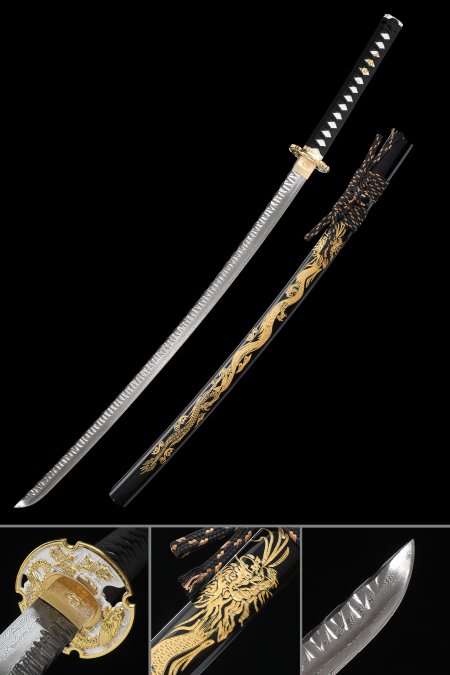
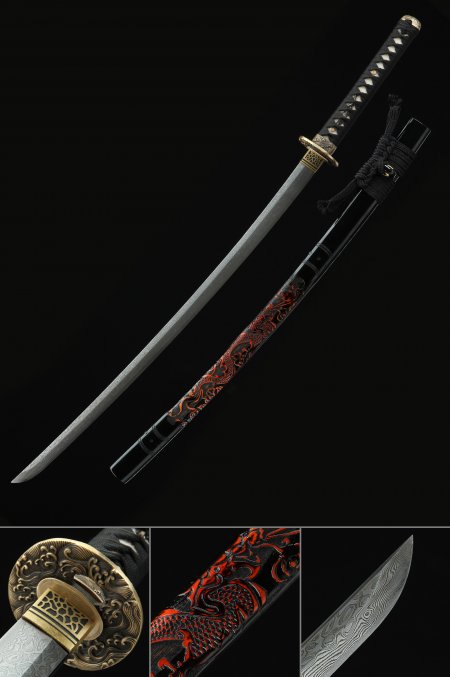
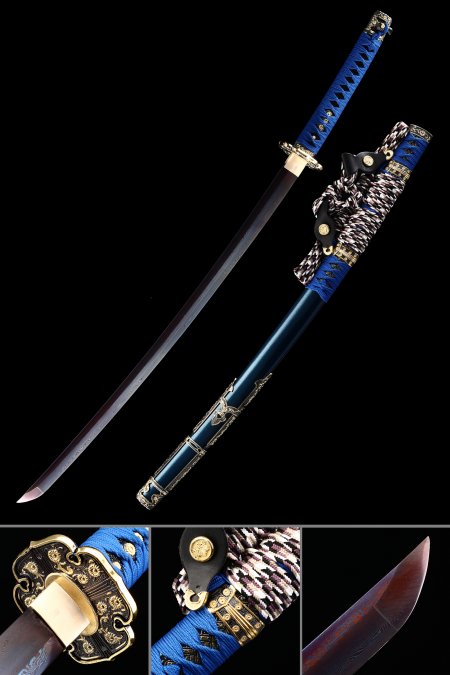
Fold-forged Damascus is specifically characterized by the fold-and-reweld cycle that geometrically multiplies the layer count from the starting billet. Beginning with a forge-welded combination of high and low carbon steel, the smith heats the billet to forging temperature, folds it in half, and hammer-welds the folded halves together - each fold doubles the layer count. This cycle is repeated until the desired layer count is achieved. The distinction from other pattern welded approaches is in this multiplication mechanism: fold-forged Damascus creates its pattern from the fold cycle, while non-folded pattern steel creates its pattern from the initial arrangement of different steel pieces without the subsequent folding. Fold-forged Damascus has a specific fine-grained character from the layer multiplication that distinguishes it from coarser pattern arrangements created by initial welded geometry alone.