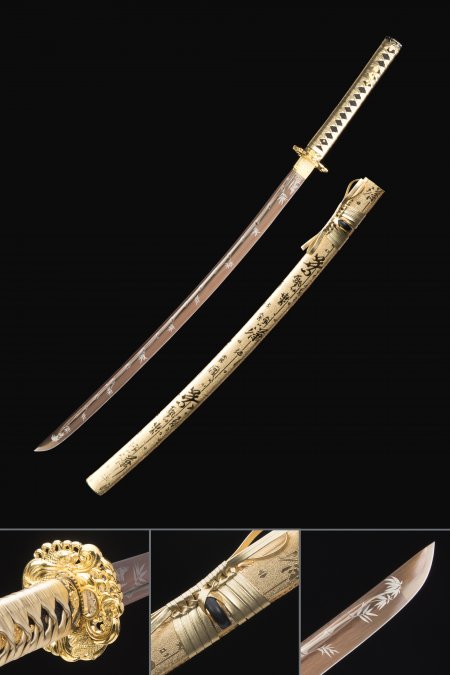
Bamboo Blade Katana

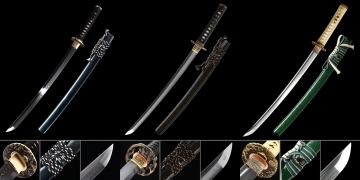
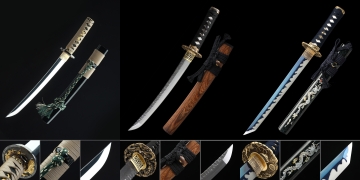
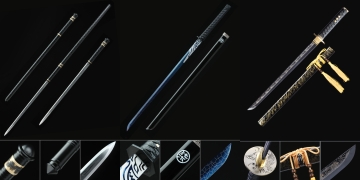
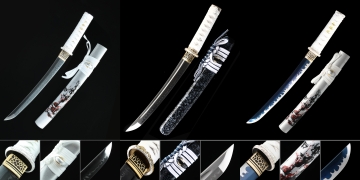
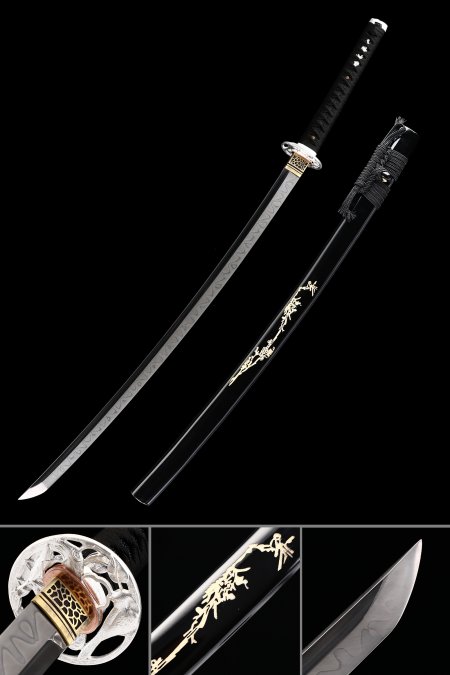
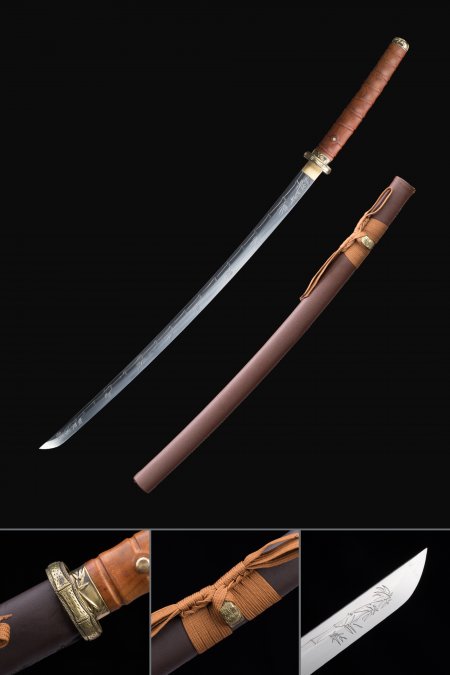
Bamboo Blade Katana brings together the elegance of hand-engraved bamboo motifs and traditional Japanese sword craftsmanship in a single striking collectible. Each piece is crafted with full-tang construction, premium carbon steel, and meticulously fitted koshirae - designed to stand out on display or in any serious collection. Enjoy free standard shipping on your order, plus hassle-free returns for peace of mind.
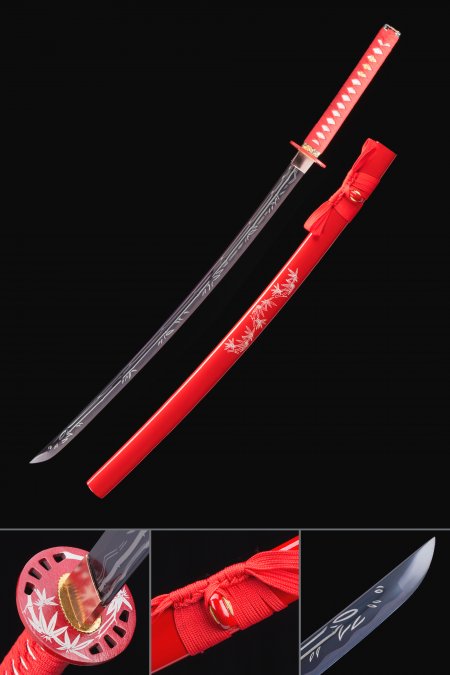
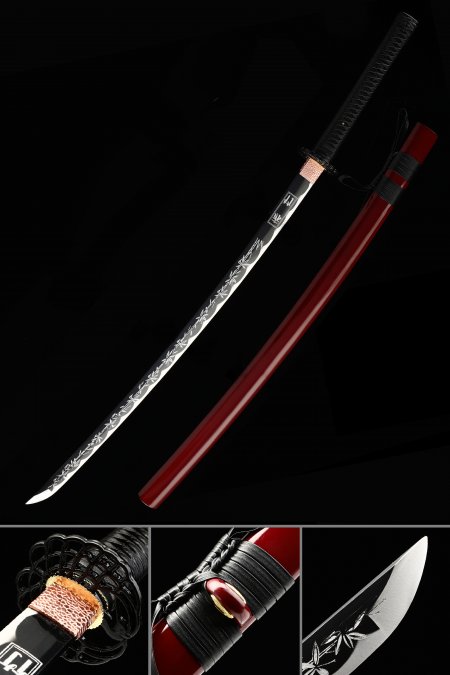
Showing 5 Products

Frequently Asked Questions

What makes bamboo engravings on katana blades special?
Unlike printed or acid-etched decals applied after polishing, hand-engraved bamboo motifs on these collectible blades are cut directly into the steel surface using rotary or hand tools before final finishing. This means the design has depth and dimension - light reflects differently across engraved grooves than on the surrounding flat steel, creating a natural contrast that shifts as the viewing angle changes. The linework also reveals the underlying grain structure of the steel, which is particularly visible on T10 carbon steel pieces where the hamon temper line runs alongside the bamboo imagery. For collectors, this level of surface work represents a meaningful investment in craft rather than surface decoration.
How does T10 steel differ from 1045 in this collection?
Both steels are high-carbon alloys well suited to collectible katana production, but they differ in composition and visual character. 1045 carbon steel contains roughly 0.45% carbon and produces a clean, consistent blade finish that accepts engraving with sharp edge definition - ideal for display pieces where bold fittings like red lacquer saya or gold-tone ornaments take the lead. T10 carbon steel adds a small percentage of tungsten to the alloy, which increases wear resistance and, more importantly for collectors, allows the clay-tempering process to produce a pronounced, naturally occurring hamon - the distinctive temper line that separates hardened edge from softer spine. On a T10 blade, this hamon interacts visually with the bamboo engraving to create a layered aesthetic that 1045 pieces do not replicate. Collectors who prioritize visible metallurgical character typically favor T10; those who prefer bold color contrast between blade and koshirae often prefer 1045.
Is full-tang construction important for a display katana?
For a collectible sword intended for handling, rotation on a display stand, and close examination, full-tang construction matters considerably. A full-tang blade means the steel extends through the entire length of the tsuka (handle), secured by one or more mekugi (bamboo or steel pins) passing through both the tang and the handle core. This creates a unified structure with no mechanical joint between blade and handle - the point of failure common in rat-tail or partial-tang construction. When a collector lifts the sword, adjusts its angle, or removes it from a wall mount, the full-tang assembly ensures the blade and handle respond as a single rigid unit. Over years of display and occasional handling, this structural integrity preserves the alignment between blade, habaki, and saya, which also protects the engraved surface from incidental contact damage.
How should I maintain a bamboo-engraved collectible katana?
The engraved grooves on a bamboo blade katana require slightly more attention than a plain-polished surface because dust and skin oils can accumulate in the cut lines over time. After handling, wipe the blade with a soft, lint-free cloth - ideally a traditional nuguigami rice paper - working from the spine toward the edge without pressing into the grooves. Every three to four months, apply a very thin coat of choji oil (clove-infused mineral oil) using a clean cloth, then buff away any excess. This prevents surface oxidation without leaving a thick residue that can obscure engraving detail. Store the sword in its saya at room temperature, away from direct sunlight, which can cause lacquer finishes on the saya to fade or crack over time. Avoid rubber or foam-lined cases in contact with the blade, as sulfur compounds in some foam materials accelerate steel oxidation.
What display setup suits a bamboo blade katana best?
A horizontal single or double katana stand is the most practical display choice for showcasing the engraved blade flat. Position the stand so the blade's engraved side faces outward and slightly upward - this catches ambient room light across the grooves and makes the bamboo motif visible from a natural standing viewing distance. If mounting on a wall, a horizontal wall rack with padded cradles distributes the blade's weight evenly and keeps the saya from bowing over time. Pair matte hardwood saya pieces with natural wood wall racks for a cohesive aesthetic, and high-gloss lacquered saya with minimalist black metal stands to let the color contrast speak for itself. Avoid placing any display near HVAC vents or exterior windows, where temperature cycling accelerates moisture-related oxidation on exposed steel fittings.

Customer Reviews

Erik Barrington Iowa, United States

Not the best photograph I've ever taken so I'll tell you about it this sword is both beautiful and made with quality. It has a great heft to it a little heavier than I'm used to but that's okay. The transaction was easy the shipping arrived on time and in good order. I call it the king's sword the katana is gold very striking very beautiful. And the fact that it's not a mantle piece only makes it even that much better. I spent time in Okinawa and I'm sure my Sensei would approve. That was many many years ago now I am the Sensei.

Golden 1045 Carbon Steel Katana with Bamboo Engraved Blade and Kanji Saya - Full Tang Collectible Sword Golden 1045 Carbon Steel Katana with Bamboo Engraved Blade and Kanji Saya - Full Tang Collectible Sword