Dragon Blade Katana

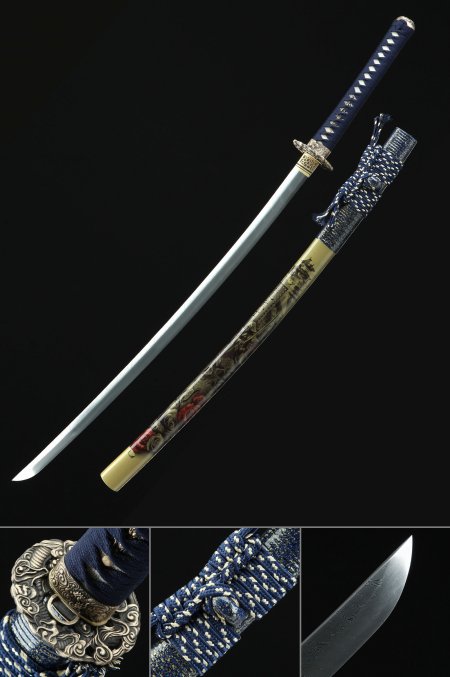
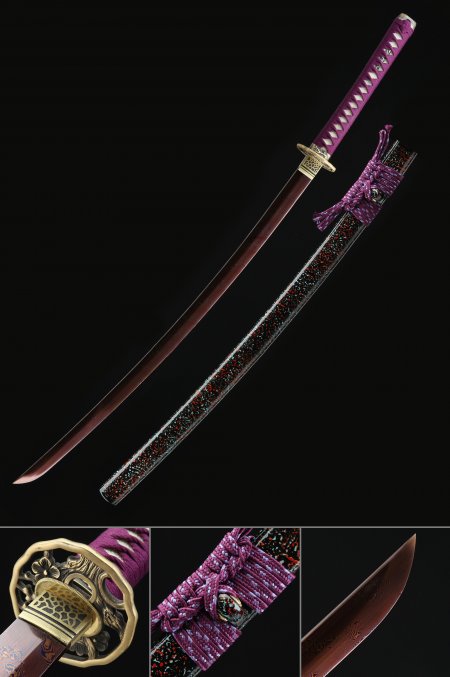
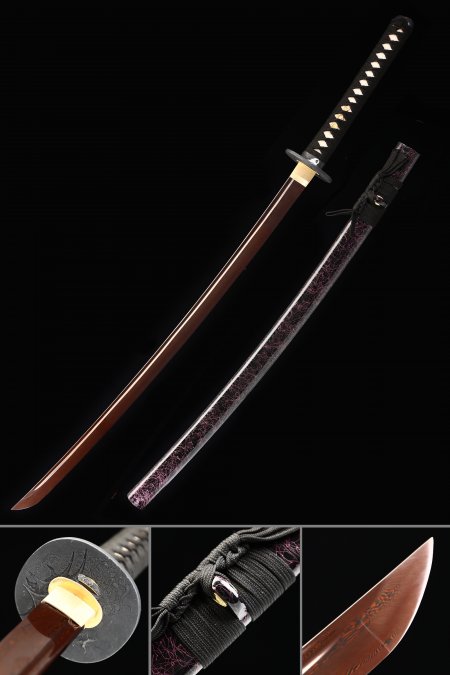
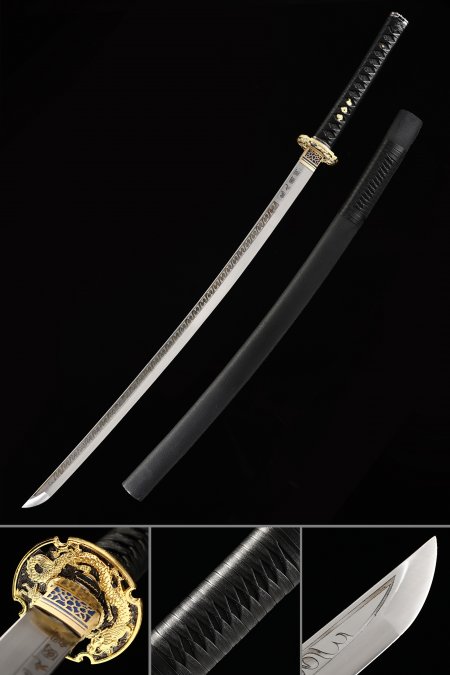
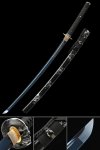
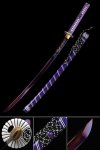
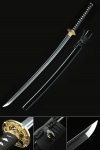
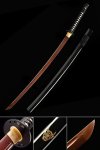
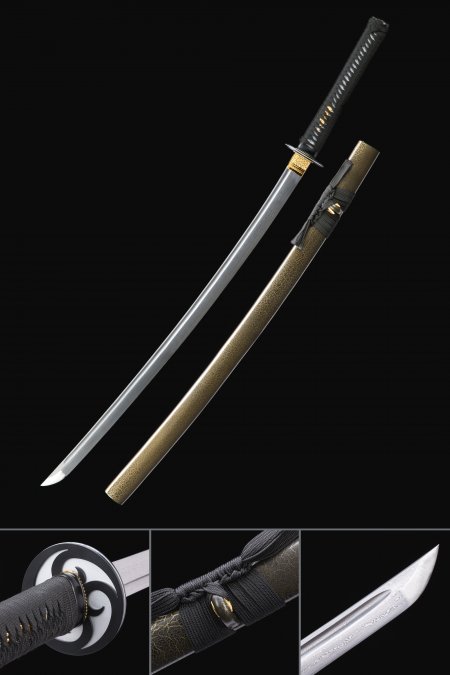
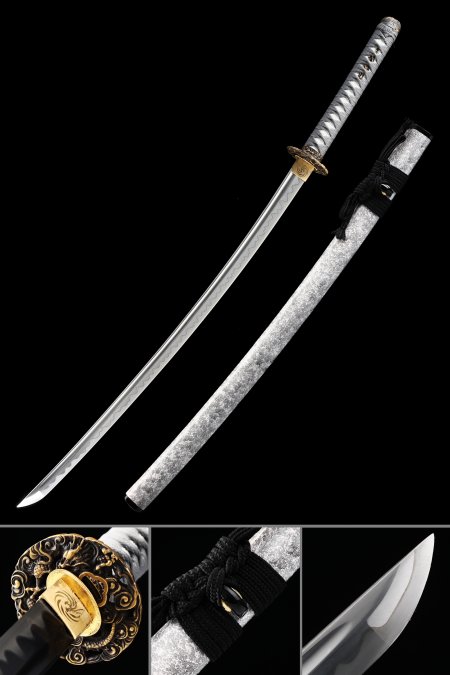
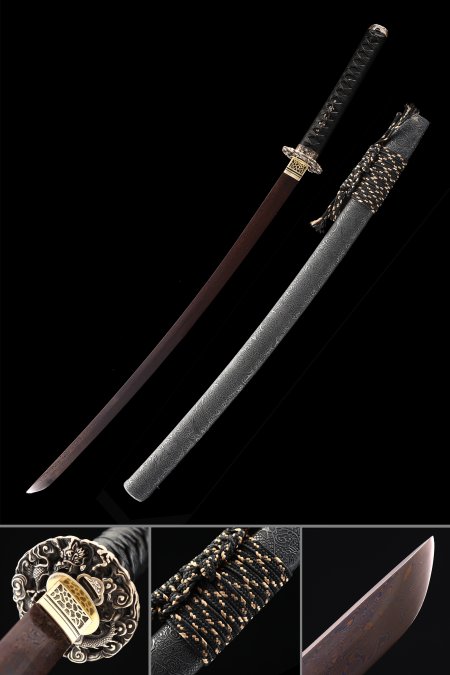
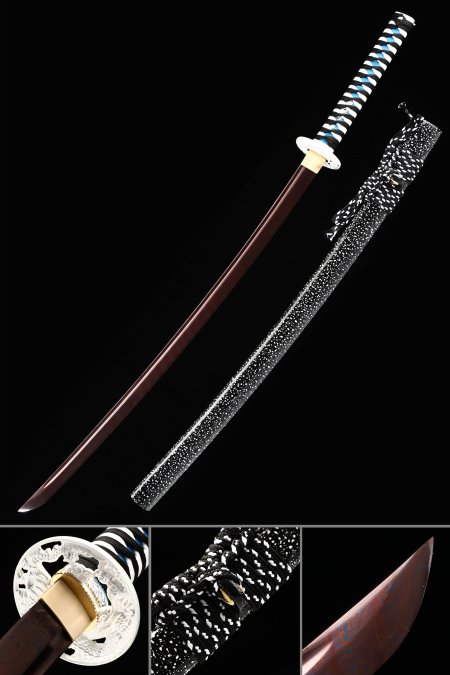
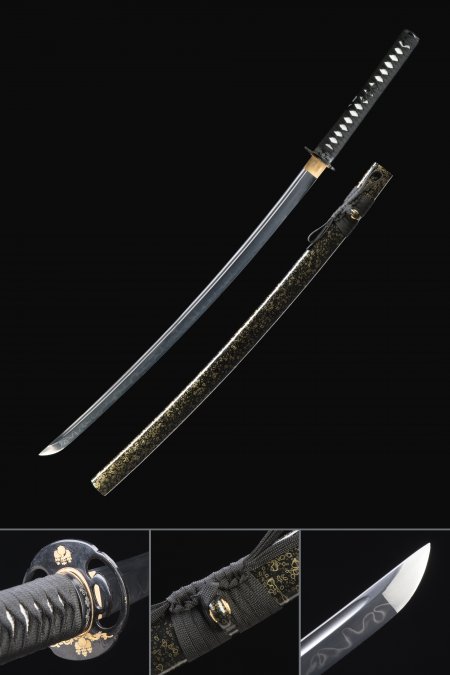
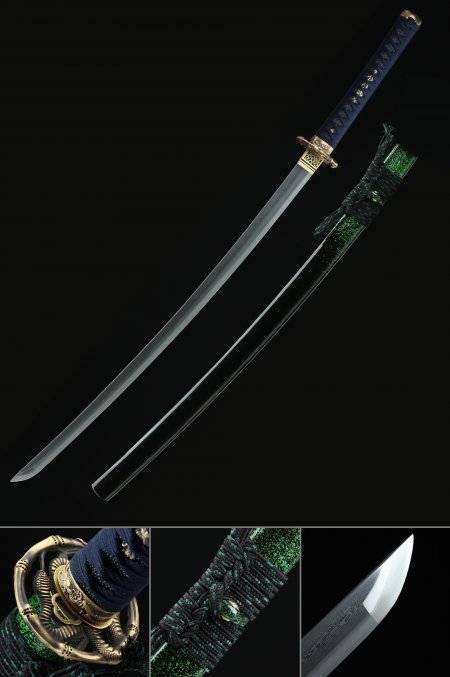
The Dragon Blade Katana collection brings together hand-forged swords distinguished by intricate dragon-themed fittings, rich lacquered sayas, and premium steel choices ranging from folded Damascus to clay-tempered T10. Each piece is crafted as a full-tang collectible, showcasing the artisan detailing — engraved blades, alloy tsubas, and silk ito wraps — that serious collectors prize. Enjoy free shipping on every order, backed by our hassle-free return policy.
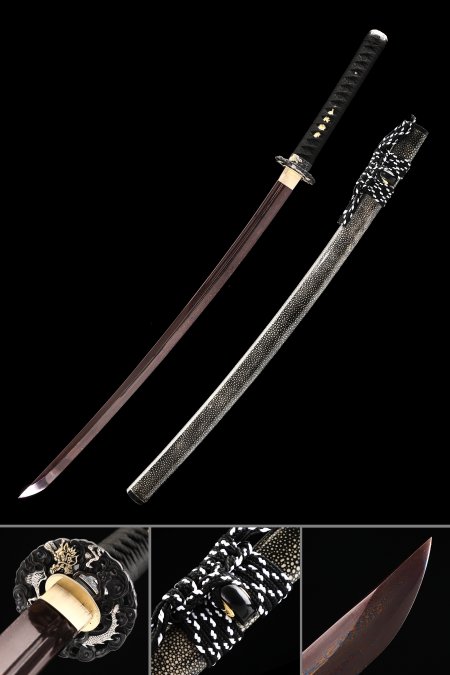
Showing 107 Products

Frequently Asked Questions

What makes a katana qualify as a dragon blade collectible?
A dragon blade katana is defined primarily by its decorative program rather than a single material spec. The designation refers to pieces where dragon imagery is integrated into the fittings — most commonly the tsuba (guard), blade engraving, or saya artwork — rather than applied as an afterthought sticker or paint. In this collection, dragon motifs appear as cast alloy relief work on tsubas, laser-engraved designs running along the flat of the blade, and sculpted saya hardware. Collectors evaluate how cohesively the dragon theme is executed across the entire piece: a gold dragon tsuba paired with a matching lacquer saya and coordinated ito wrap reads as intentional design, not assembly-line decoration. Full-tang construction is also a baseline expectation for serious display collectibles, ensuring the piece holds its geometry over years of exhibition.
How does Damascus steel differ from T10 in these dragon katanas?
Damascus and T10 are fundamentally different steel types that appeal to different collector priorities. Damascus is produced by forge-welding multiple layers of steel together and folding them repeatedly — often 128 to 1,000-plus layers — creating the distinctive flowing grain pattern visible on the blade's surface. That visual complexity is the primary draw for collectors: no two Damascus blades are identical. T10, by contrast, is a high-carbon tool steel prized for its clay-tempering potential. When a T10 blade is clay-coated before quenching, the differential cooling produces a genuine hamon — a visible temper line separating the hardened edge from the softer spine. Collectors who value traditional Japanese metallurgical technique tend to gravitate toward T10 for that authentic hamon, while those who prioritize visual drama and layered aesthetics often prefer the patterned surface of Damascus.
How should I store a dragon katana to protect the lacquered saya?
Lacquered sayas — whether piano black, crackle red, or marble-finish — require a few simple precautions to maintain their finish over time. Store the katana horizontally on a dedicated sword stand, edge facing upward in the Japanese tradition, in a low-humidity environment. Relative humidity above 60% can cause lacquer to develop micro-cracks over years, particularly on high-gloss piano lacquer finishes. Avoid storing the blade inside the saya for extended periods without occasional light oiling of the blade with choji oil or a neutral mineral oil; trapped moisture between blade and saya lining accelerates oxidation on carbon steel. Keep the piece away from direct sunlight, which fades pigment lacquers over time. A microfiber-lined display case offers protection from dust without the humidity risks of a sealed glass cabinet with no ventilation.
Are dragon katanas a good choice as a gift for a collector?
Dragon-themed katanas make compelling gifts for collectors precisely because the aesthetic is immediately legible — the motif has cross-cultural recognition, and the quality markers (Damascus grain, real hamon, full-tang construction, lacquered saya) are visible without needing specialist knowledge to appreciate. For a first-time gift, look for pieces that combine at least two coordinated visual elements — for example, a gold dragon tsuba paired with a matching gold-accented lacquer saya — as cohesive design signals intentional craft rather than parts-bin assembly. Experienced collectors often respond well to T10 clay-tempered pieces specifically because the natural hamon line is unique on every blade; no two gifts will be identical. Consider pairing the katana with a wooden display stand for immediate presentation value.
Does full-tang construction affect how a dragon katana displays?
Full-tang construction means the steel of the blade extends continuously through the entire length of the handle, secured by one or more mekugi (bamboo or brass retention pegs). For display purposes, this has a direct visual consequence: the handle hardware — tsuka wrap, menuki ornaments, kashira pommel — fits tighter and more symmetrically when the tang fills the handle core completely, avoiding the slight flex or rattle sometimes seen in partial-tang assemblies. Over years of horizontal display, a full-tang katana maintains its alignment and balance point without the handle shifting. Collectors and appraisers also use full-tang construction as a baseline quality indicator when assessing a piece, as it reflects the structural standards of traditionally made Japanese swords and distinguishes display-grade collectibles from decorative wall hangers.

Customer Reviews