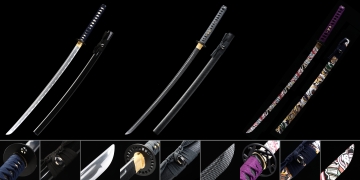
Melaleuca Steel Ninjato

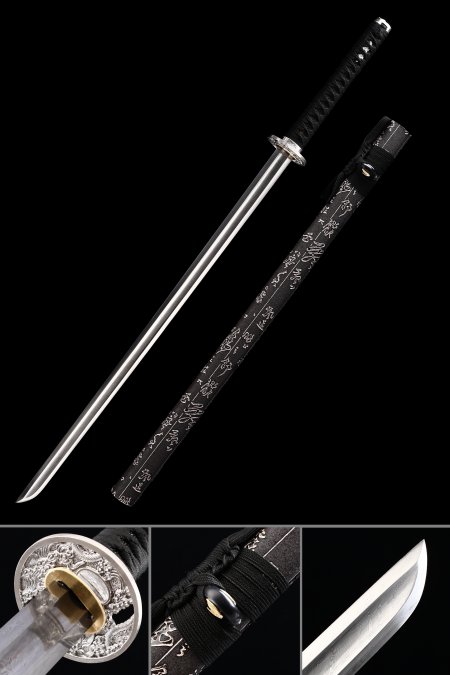
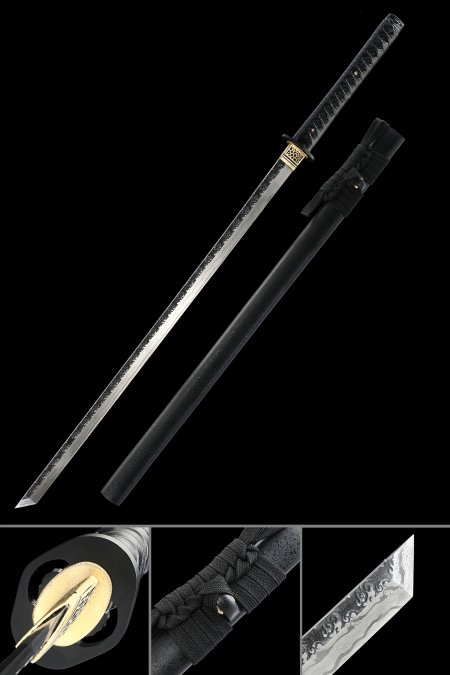
Melaleuca Steel Ninjato blends the distinctive layered grain of folded melaleuca steel with the straight-blade silhouette favored in ninja sword aesthetics. Each piece in this collection is crafted for discerning collectors who appreciate visible steel texture, hand-assembled fittings, and authentic East Asian ornamentation — from dragon-carved saya to kanji-inscribed scabbards. Free standard shipping is included on all orders, backed by our hassle-free return policy.
Showing 3 Products

Frequently Asked Questions

What makes melaleuca steel visually distinct from other folded steels?
Melaleuca steel gets its name from the layered, grain-like patterns that emerge during the folding process — patterns that visually resemble the bark texture of the melaleuca tree. Unlike Damascus steel, which typically displays sharper, more geometric flow lines, melaleuca folding tends to produce softer, wave-like bands that shift in tone depending on the viewing angle and light source. Each blade's surface pattern is unique and unrepeatable, which is a primary reason collectors seek it out. The pattern is revealed through acid etching after forging and grinding, bringing the steel's internal layer structure to the surface as a permanent decorative feature.
How does a ninjato differ from a standard katana in design?
The most immediately obvious difference is blade geometry: a katana features a pronounced curve along its length, while a ninjato has a straight or very slightly curved blade profile, similar to the older chokuto form. The ninjato also tends to have a squared or rectangular tsuba rather than the more ornate round or irregular shapes common on katana. In collectible replicas, the ninjato's straight silhouette creates a clean, architectural look that displays differently from a curved blade — it casts sharper shadow lines and presents the blade's surface grain more uniformly when mounted horizontally. For collectors interested in the broader spectrum of Japanese sword forms, the ninjato offers a distinct visual counterpoint to the katana's iconic curve.
How should I care for a lacquered saya long-term?
Lacquered saya require a few specific precautions that wooden or synthetic scabbards do not. First, avoid prolonged direct sunlight exposure — UV light degrades lacquer finishes over time, causing fading and micro-cracking. Store the sword in a low-humidity environment; high moisture can cause the wooden core of the saya to expand, making blade removal difficult and potentially stressing the lacquer surface. When handling the saya, oils from bare skin can dull the lacquer's sheen, so using a soft cotton glove or cloth during repositioning is recommended. A light wipe with a dry microfiber cloth every few weeks removes dust without introducing moisture. The blade inside should be lightly oiled before storage to prevent any humidity-related oxidation within the scabbard.
Is a melaleuca ninjato suitable as a display gift for a collector?
It's an excellent choice for collectors who appreciate visible craftsmanship and non-standard blade aesthetics. The melaleuca grain pattern makes the piece visually engaging even to viewers unfamiliar with Japanese sword traditions — the surface movement catches the eye immediately. Dragon-carved saya and kanji-inscribed scabbards add decorative and cultural layers that elevate the presentation beyond a plain replica. For gifting purposes, this type of piece works well for collectors focused on East Asian art, fans of Japanese historical aesthetics, or anyone building a themed display around ninja or shinobi culture. A dedicated sword stand completes the presentation and allows the piece to be displayed immediately upon receipt.
Can folded steel blades develop surface rust, and how do I prevent it?
Yes — folded steel that has been acid-etched to reveal its grain pattern is more porous on the surface than a polished or coated blade, which makes it slightly more susceptible to oxidation if neglected. The standard preventive measure is applying a thin, even coat of camellia oil (traditional) or a food-grade mineral oil (a practical modern substitute) every two to three months, or more frequently in humid climates. After application, wipe away any excess with a clean cloth to avoid buildup. If minor surface rust does appear as small reddish spots, it can typically be removed with a very light application of oil and gentle buffing with a soft cloth. Avoid abrasive cleaners, which will damage the etched grain pattern permanently. Storing the blade horizontal on a display stand, rather than vertically tip-down, also prevents oil from pooling unevenly.

Customer Reviews

Daniel Webb Oklahoma, United States

The blade pattern is beautiful! The fittings are nice and tight. I have not done any cutting with it so I don't know if it will stay that way. The Saya, or scabbard, is a little loose and the blade rattles around. But it does hold the sword in place, even upside down the sword stays in place. Overall, it's a great looking sword for the price.

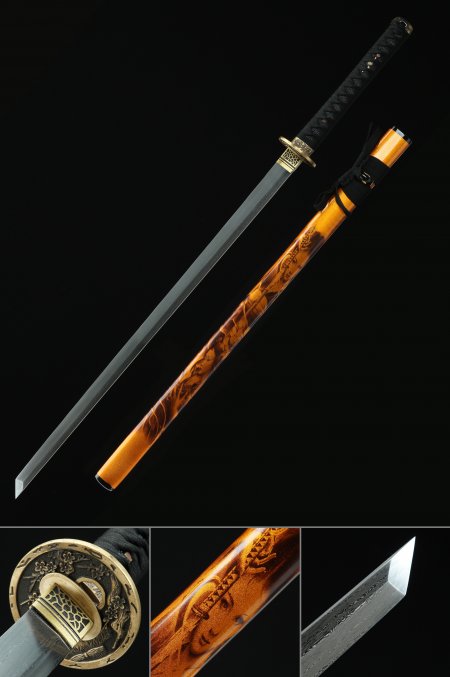
Melaleuca Folded Steel Chokuto Ninjato with Orange Dragon-Carved Saya - Straight Katana Replica Melaleuca Folded Steel Chokuto Ninjato with Orange Dragon-Carved Saya - Straight Katana Replica
Jesse James Edward Stevenson , Canada

Totally amazing. Very good quality. I used an amazing traditional stone with three surfaces including a crystal to sharpen the swords properly and break away any brittle impurities on the edge and tip to strength and sharpen a true edge any samurai or ninja would respect. Now I have a wonderfully legit sword that will make anyone happy who did not go full bore to West Okinawa to spend the big money. 1000 fold NINJATO AND 1000 FOLD KATANA.

Melaleuca Folded Steel Chokuto Ninjato with Orange Dragon-Carved Saya - Straight Katana Replica Melaleuca Folded Steel Chokuto Ninjato with Orange Dragon-Carved Saya - Straight Katana Replica