FAST SHIP
29 Reviews
ON SALE 15% OFF
$189.00$219.00

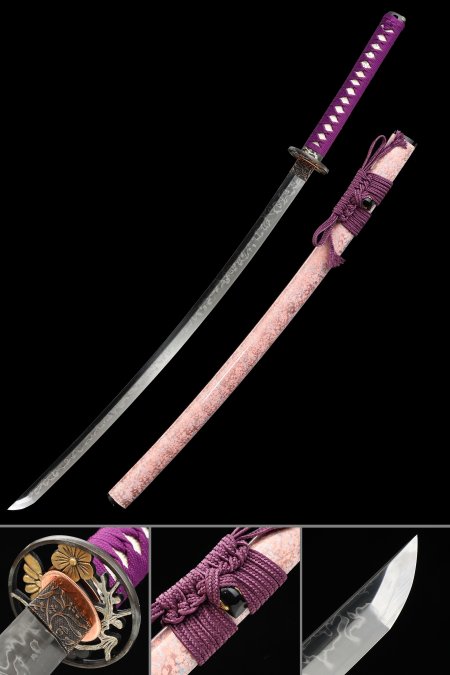
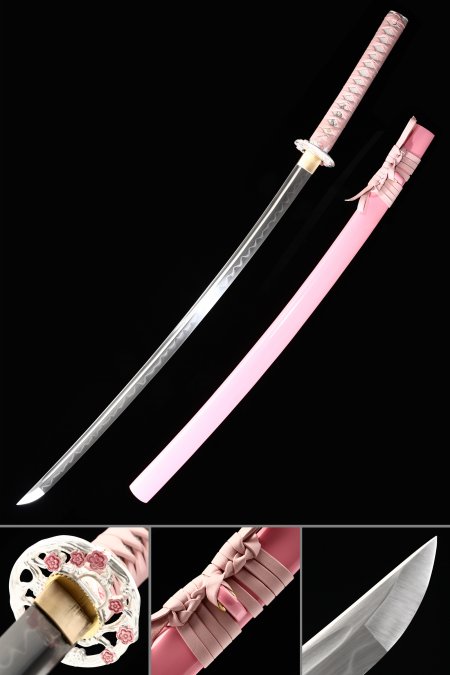
Pink Saya Katana blends traditional Japanese sword craftsmanship with bold aesthetic expression. Each piece in this collection features hand-lacquered saya in vivid rose and blush tones, paired with hand-forged carbon steel blades, ornate tsuba, and carefully wrapped handles - making them standout display pieces for any collector's curio or wall arrangement. Enjoy free shipping on your order, backed by our hassle-free return policy.
This was a Christmas gift and she absolutely loved it. This was my 2nd purchase from here and always quality stuff. You won't be disappointed.
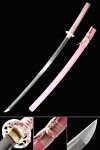 |
T10 Carbon Steel Clay Tempered Pink Katana with Cherry Blossom Tsuba and Piano Lacquer Saya |
Good quality, pretty heavy, not too sharp. Definitely good for displaying. Definitely will get more from here, when I can
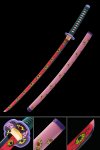 |
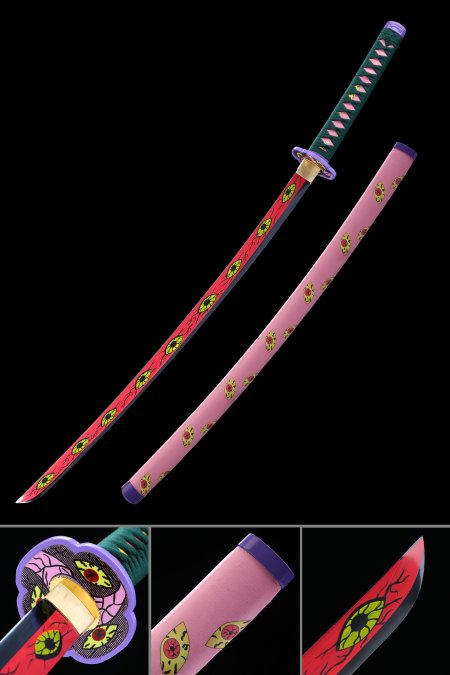
Kokushibo Sword - Kimetsu No Yaiba Upper Moon One Nichirin, 1045 Carbon Steel, Eye Tsuba |
Everything about it is great, but the saya/sheath. The outside of it was fine, no problems. The inside was weak, and chips would often come off. Also it would be helpful to throw in a paper that shows the specs of the blade. (metal type, length, proper care oils, ect)
|
T10 Carbon Steel Clay Tempered Pink Katana with Cherry Blossom Tsuba and Piano Lacquer Saya |
Fantastic Sword for the price; I’ve never seen a pink katana before so I just had to have it!
|
T10 Carbon Steel Clay Tempered Pink Katana with Cherry Blossom Tsuba and Piano Lacquer Saya |
Me and my mother love Japanese katana's and I wanted to get her one for mother's day. She absolutely loves this sword and I can't wait to buy another one for myself.
|
T10 Carbon Steel Clay Tempered Pink Katana with Cherry Blossom Tsuba and Piano Lacquer Saya |
Product was amazing love it but it got shipped to my uncles garage for some reason when i put my home address in
|
T10 Carbon Steel Clay Tempered Pink Katana with Cherry Blossom Tsuba and Piano Lacquer Saya |
I got this for my boyfriend and I really hope he likes it (for christmas) - Me personally I love it. It is VERY sharp and the blade with the symbols are absolutely beautiful. The sheath looks so well with the white and gold. The guard is so well put together and looks stunning. Really amazing katana.
 |
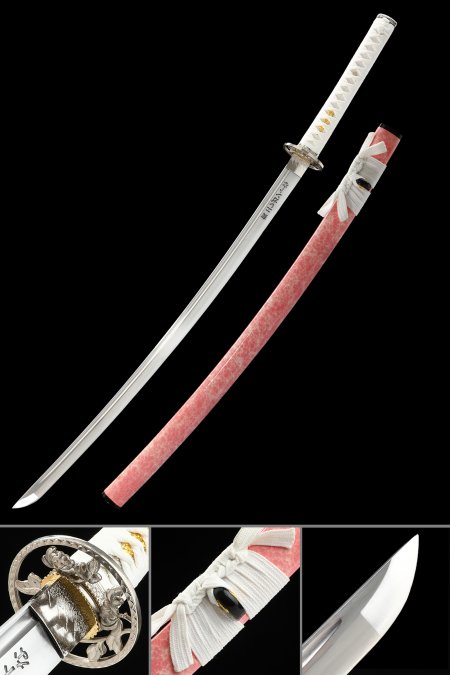
1065 Carbon Steel Full Tang Katana with Pink Lacquered Saya and White Cord Handle - Floral Tsuba Collectible Sword |
Shipped fast. It’s a beautiful Katana. My daughter added a Katana to her birthday wishlist and said I could only get it for True Katana. Hopefully she loves it.
|
Kokushibo Sword - Kimetsu No Yaiba Upper Moon One Nichirin, 1045 Carbon Steel, Eye Tsuba |