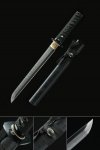
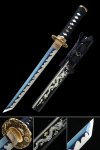
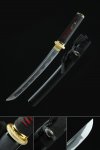
About Our Tanto Swords
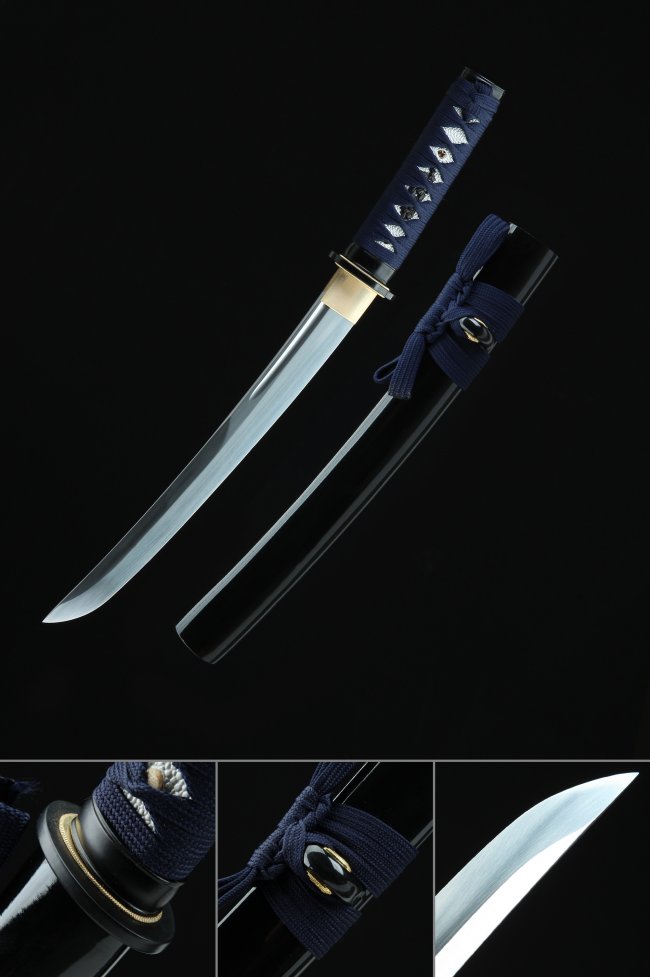
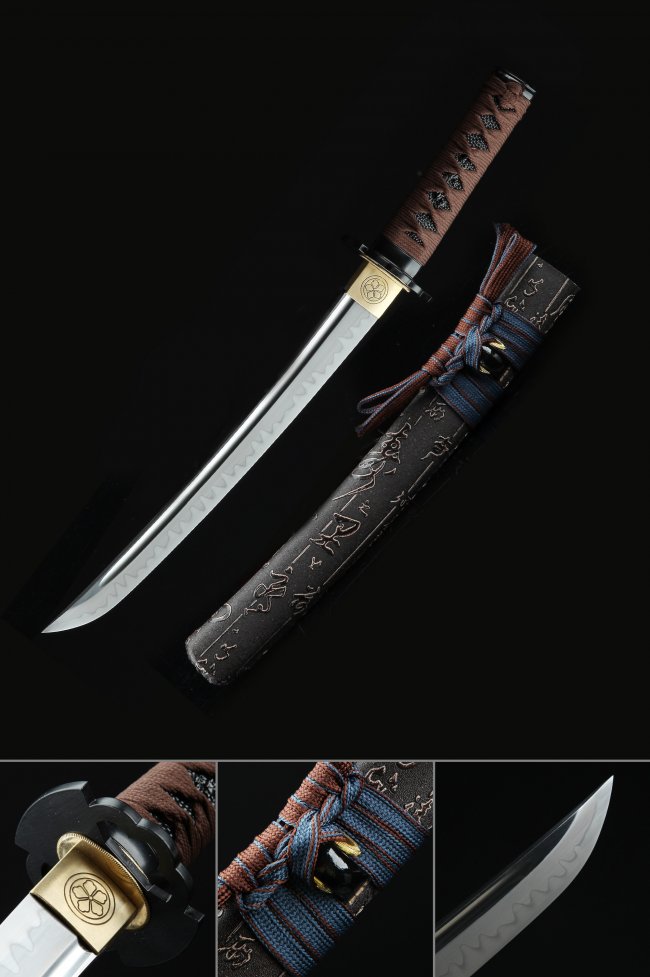
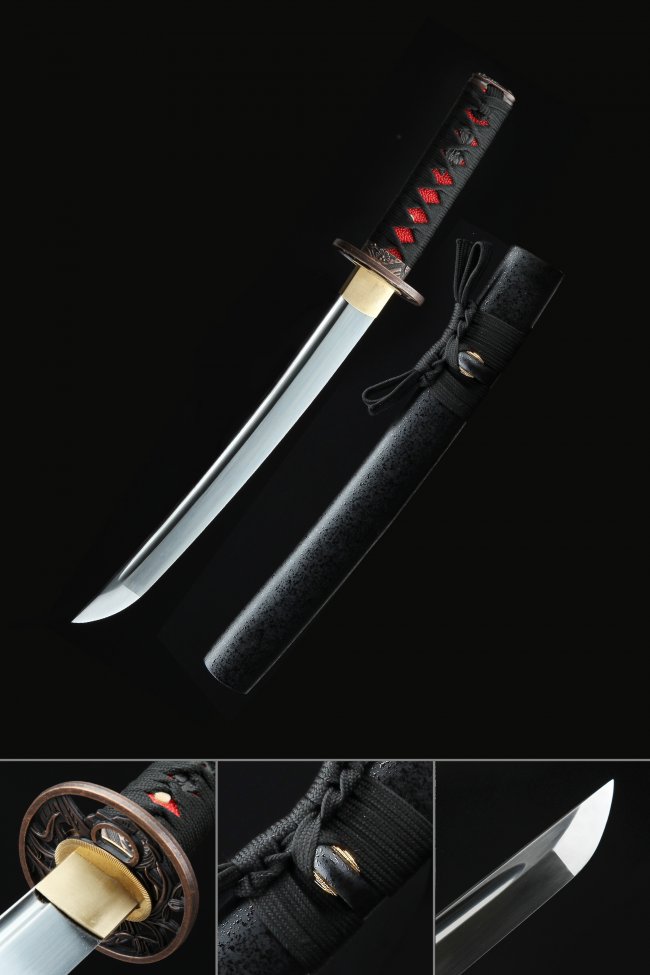
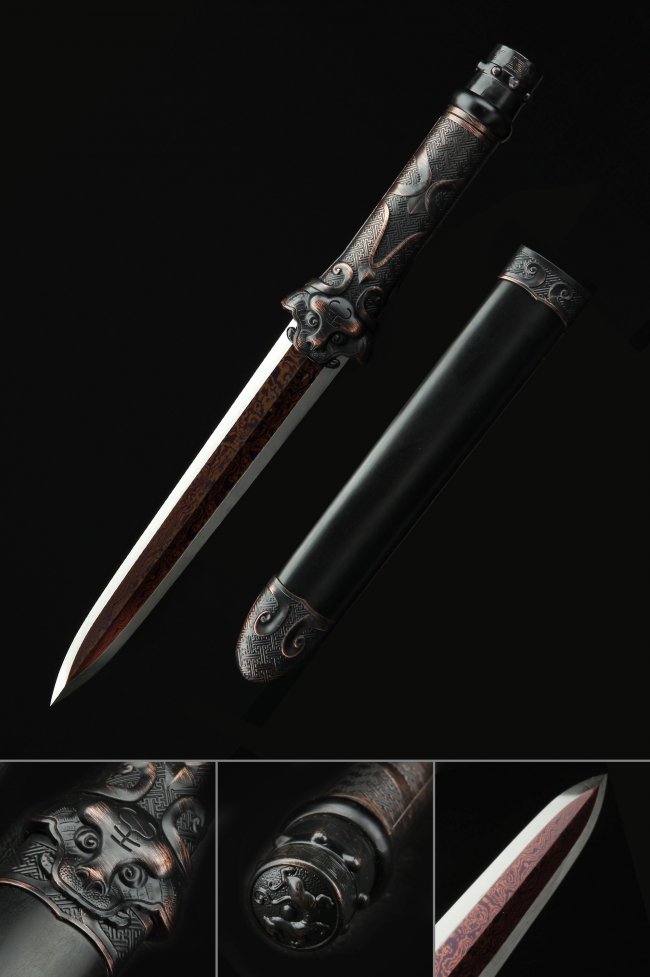
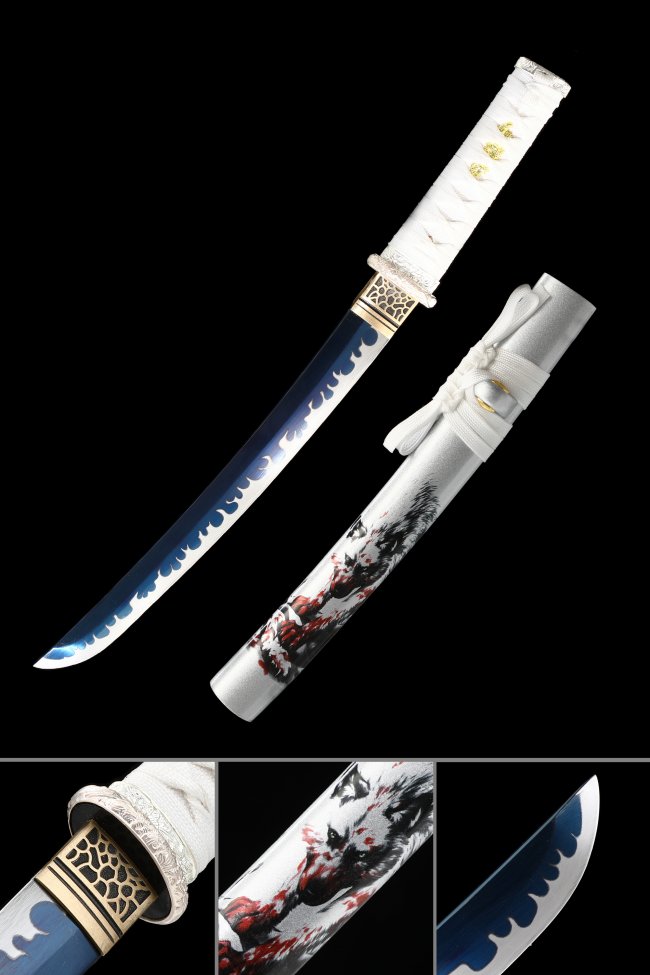
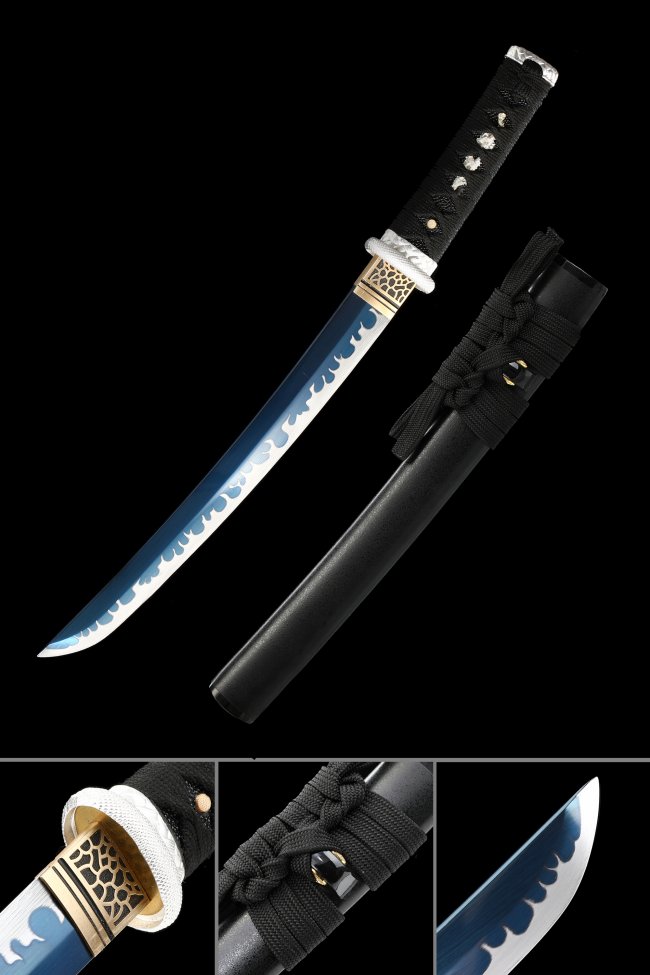
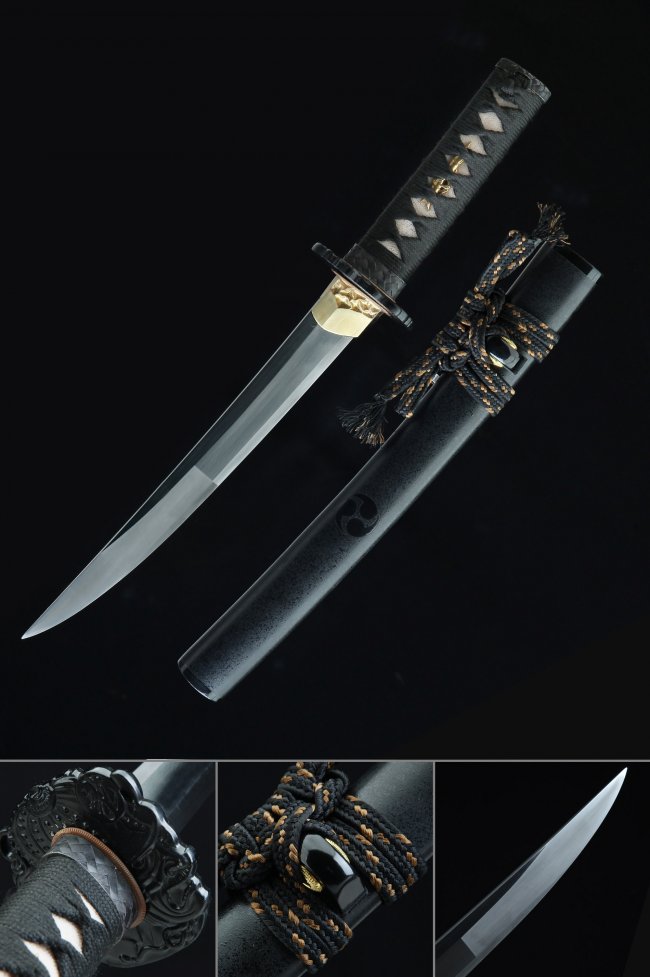
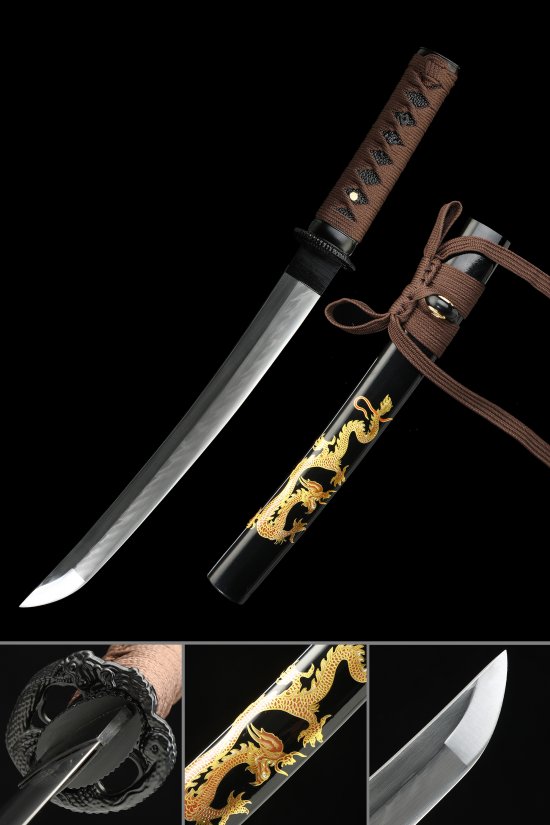
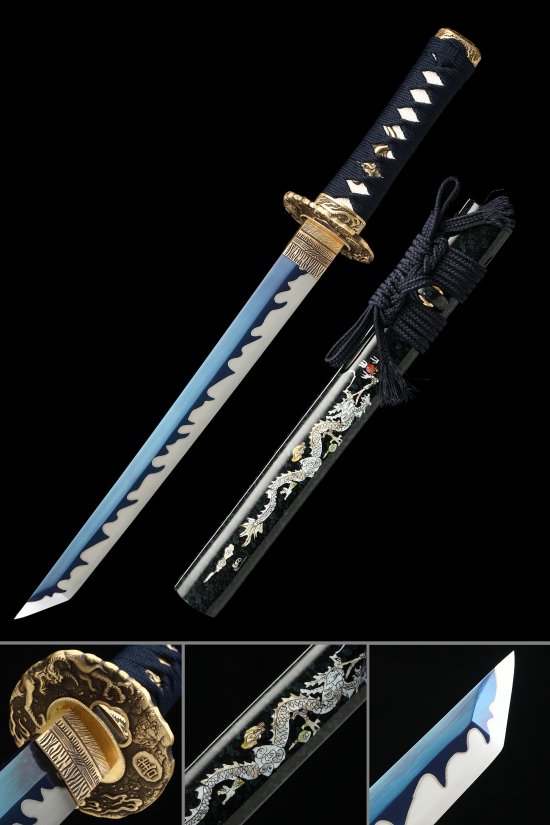
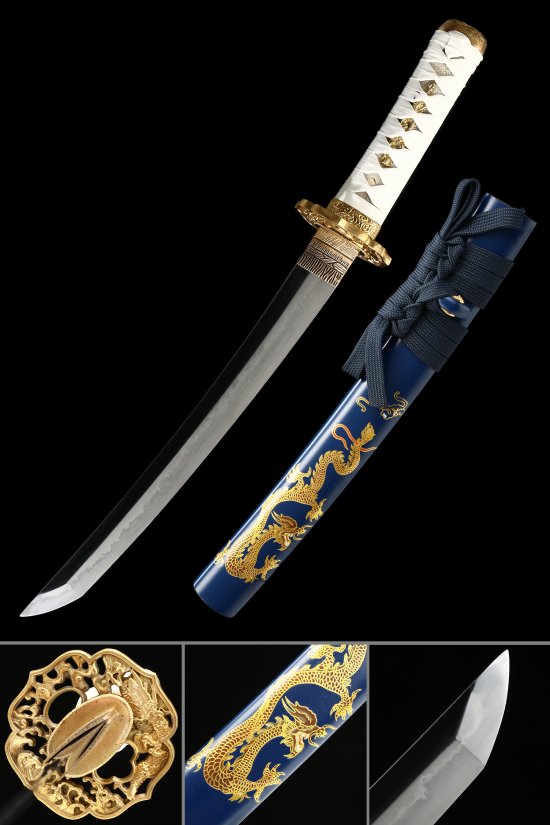
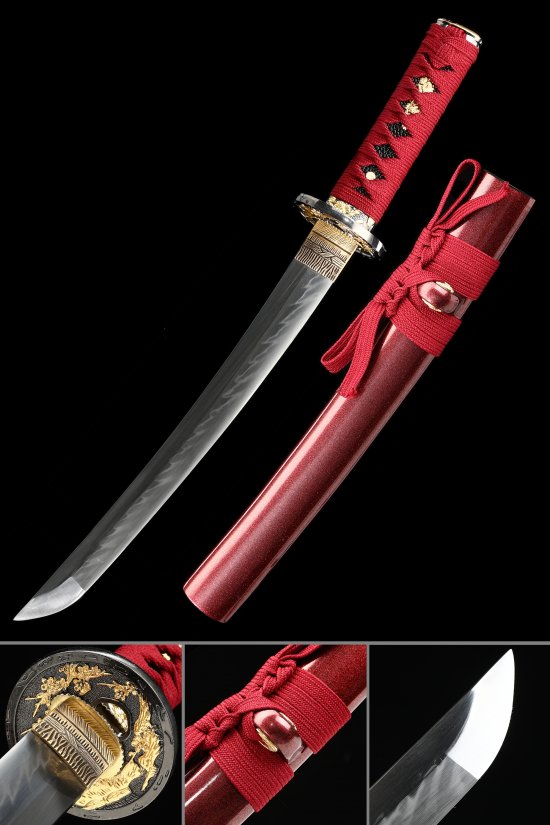
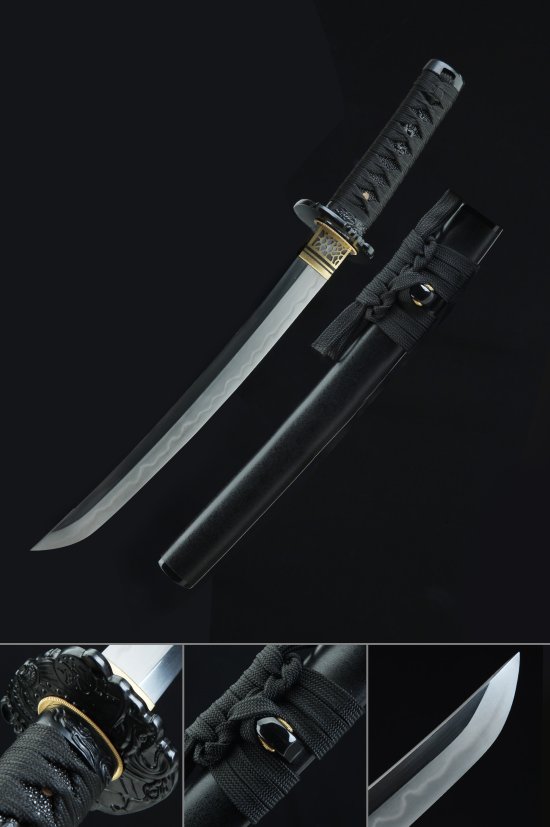
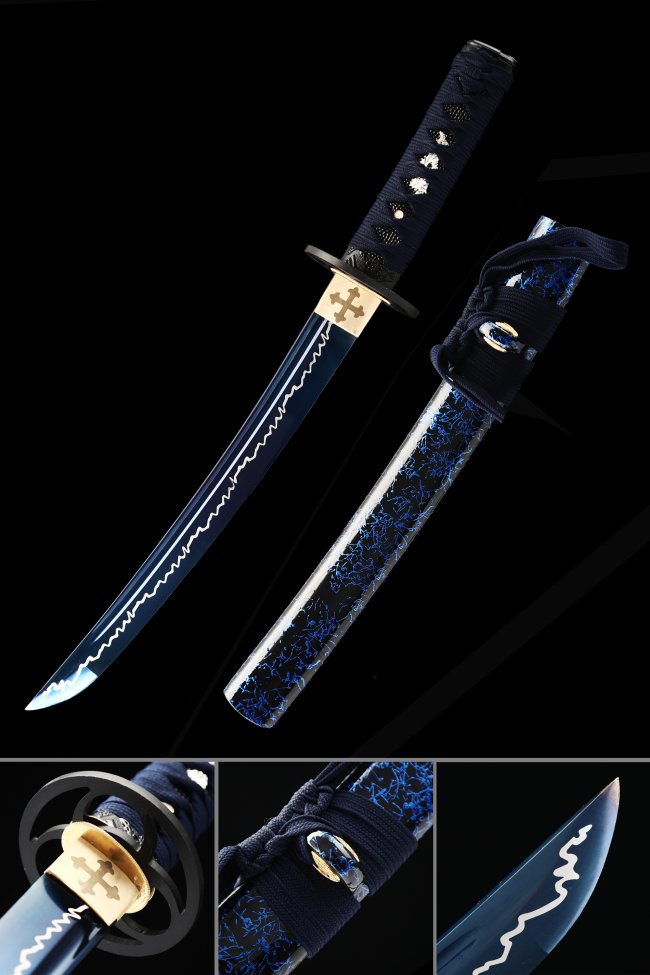
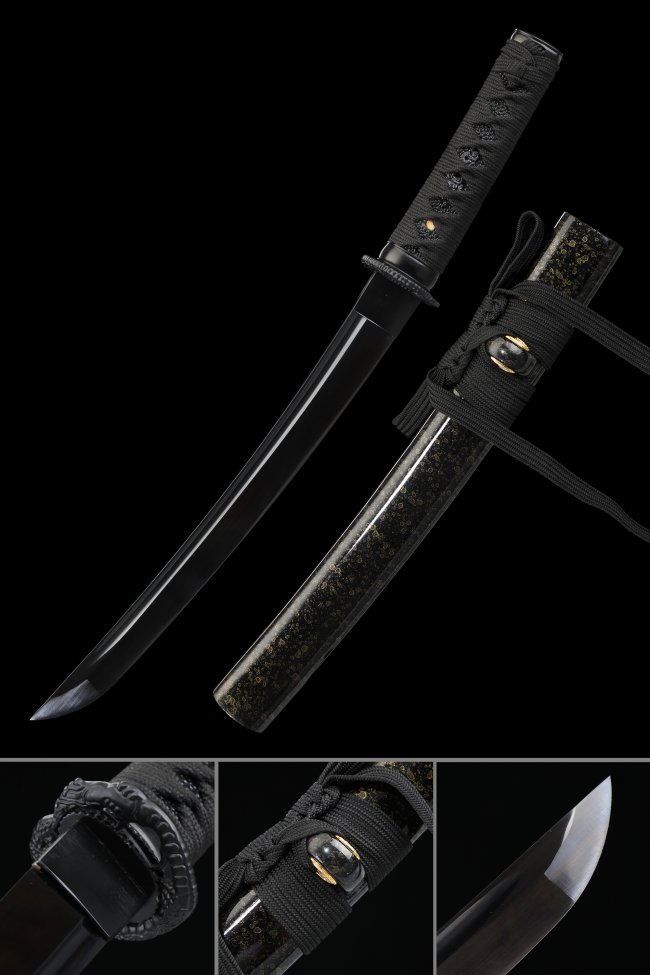
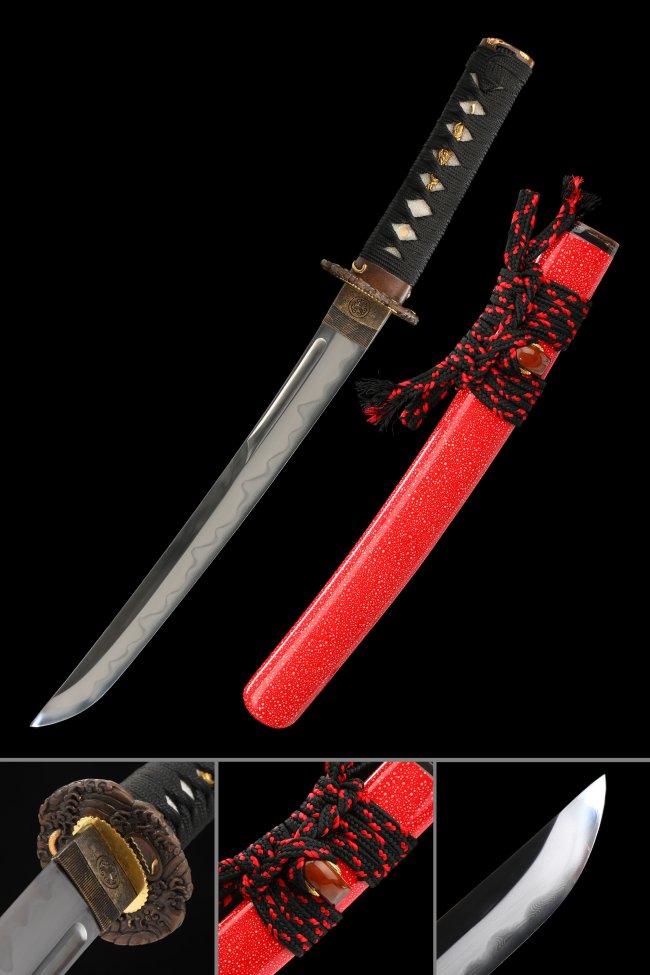
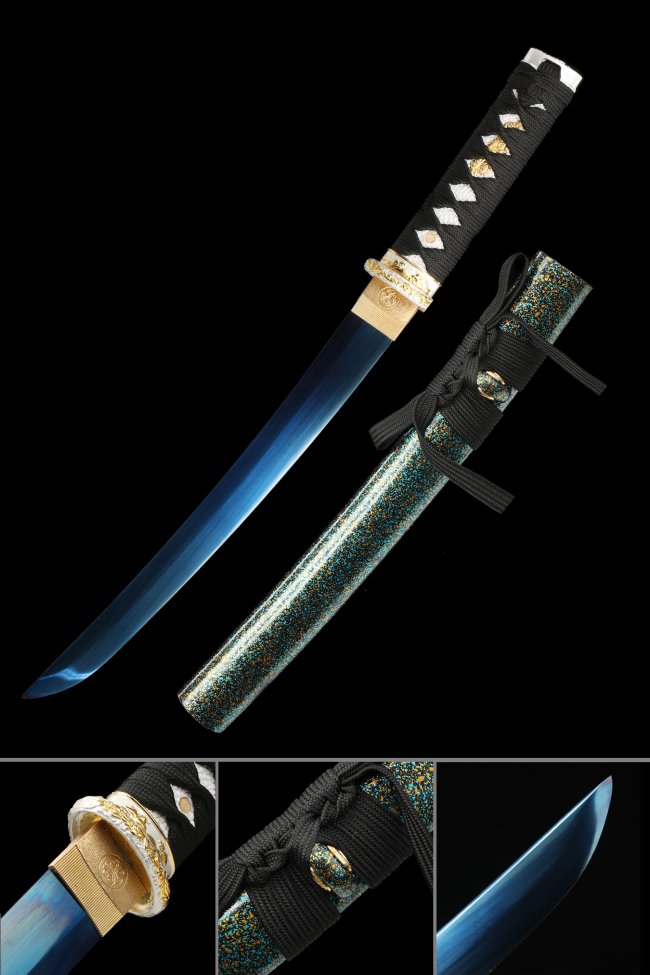
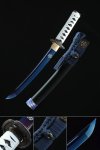
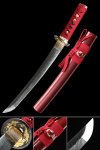
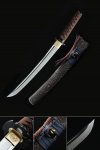
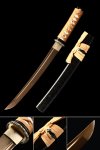
The tanto is the traditional Japanese short blade, with a history stretching back to the Heian period (794–1185). Originally designed as a utility and close-range companion blade, the tanto became an essential part of the samurai's personal arsenal — carried alongside the katana and wakizashi. With a blade length under 30 cm, the tanto is the most compact of the classic Japanese sword types. At TrueKatana, our tanto collection features 178 handmade pieces spanning multiple steel types, mounting styles, and blade profiles. Each piece is individually hand-forged by skilled swordsmiths using traditional techniques.
Choosing the Right Tanto for Your Collection
Aikuchi Tanto
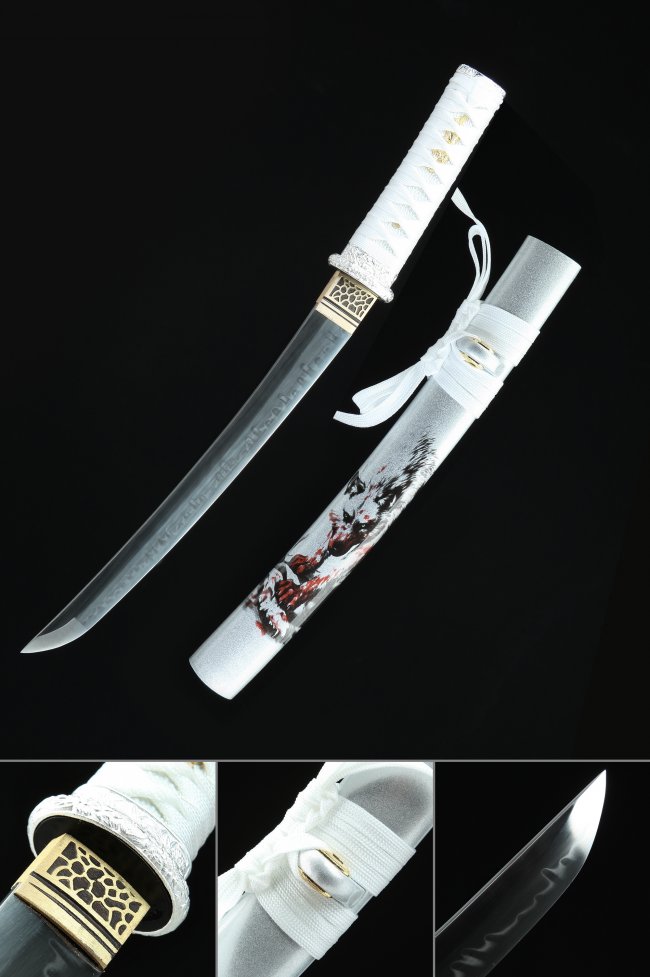
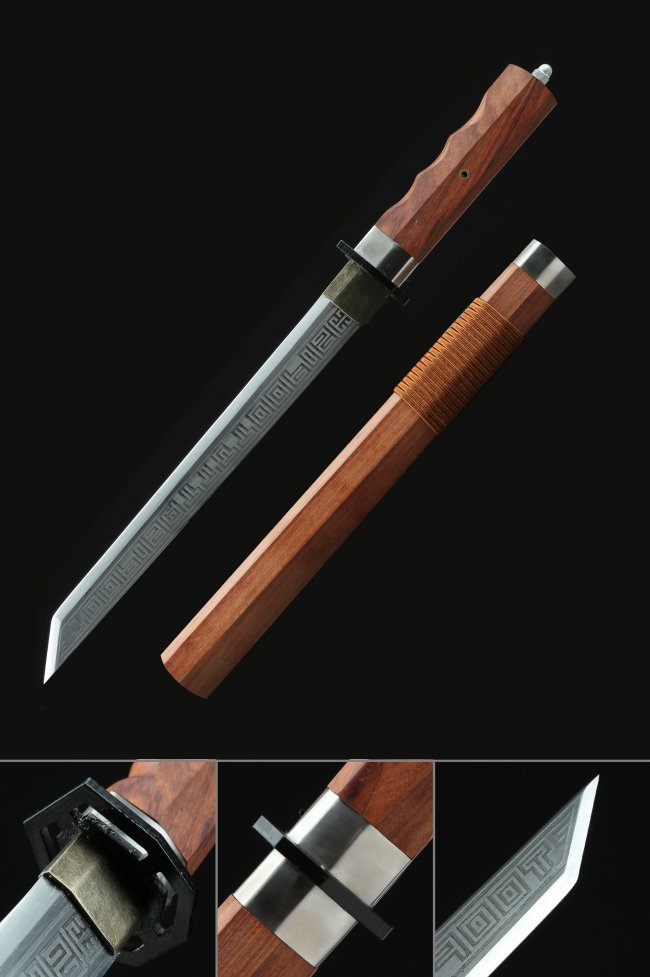
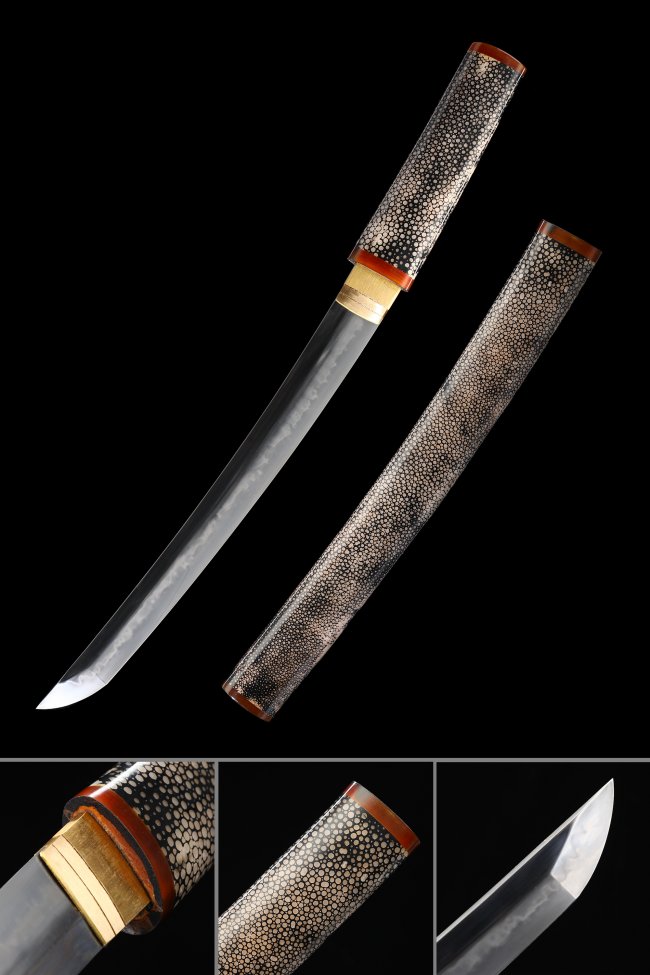
An aikuchi is a tanto mounted without a tsuba (hand guard), creating a seamless transition from handle to blade collar. This clean, minimal profile was historically favored by Japanese nobility and is one of the most elegant mounting styles in Japanese blade craft. Our aikuchi tanto collection features models in T10, damascus, and carbon steel with a variety of saya finishes including natural rosewood, lacquer, and specialty wood.
Hamidashi Tanto
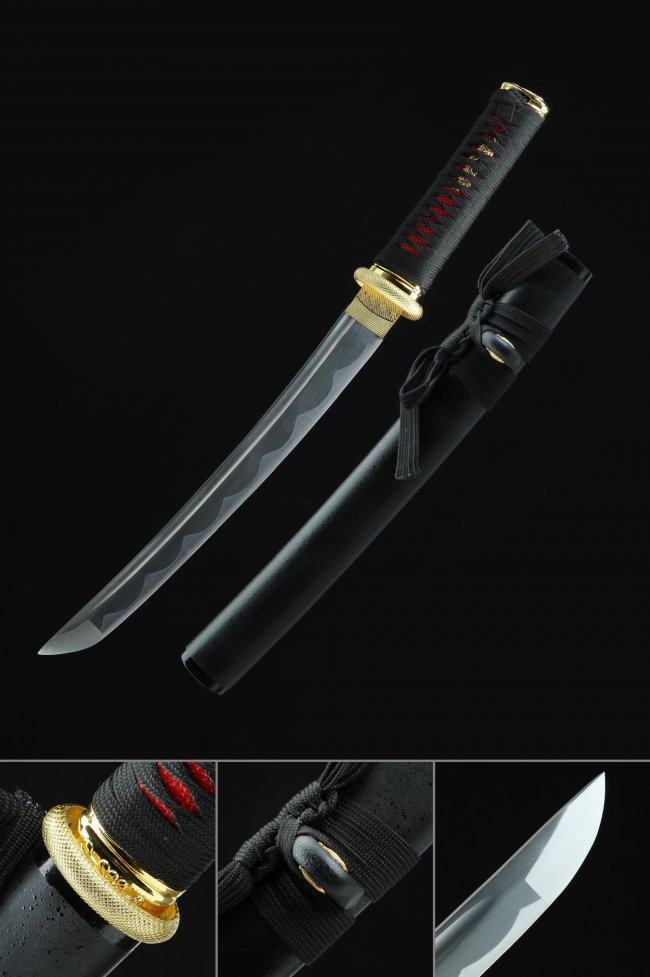
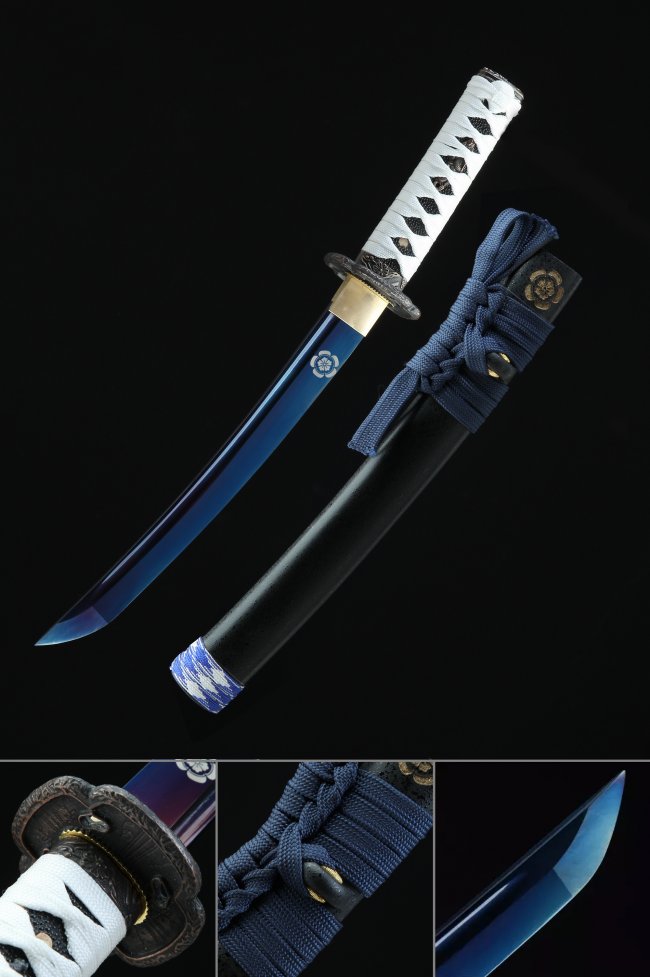
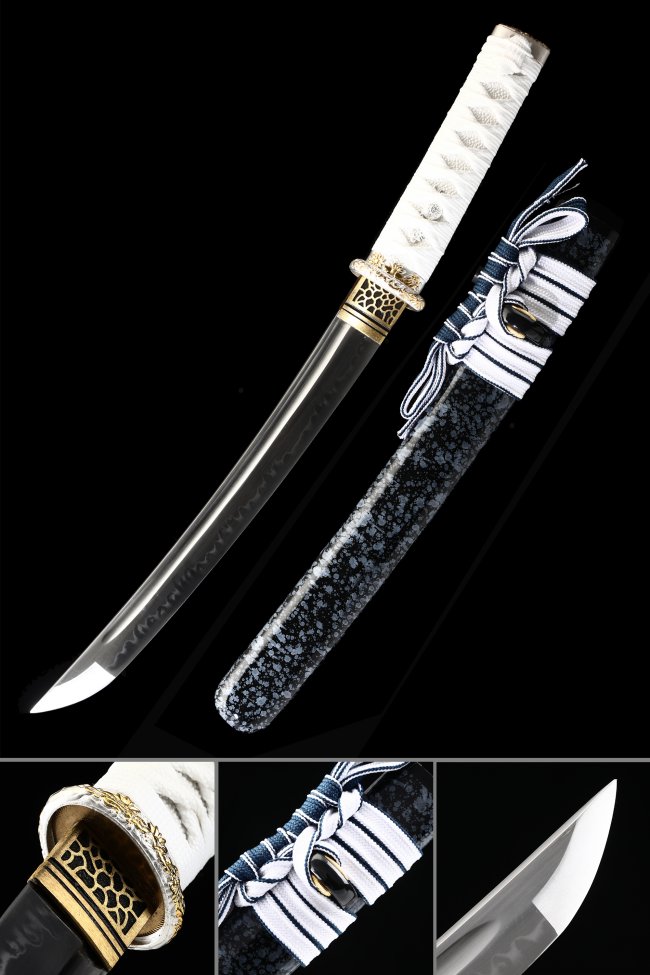
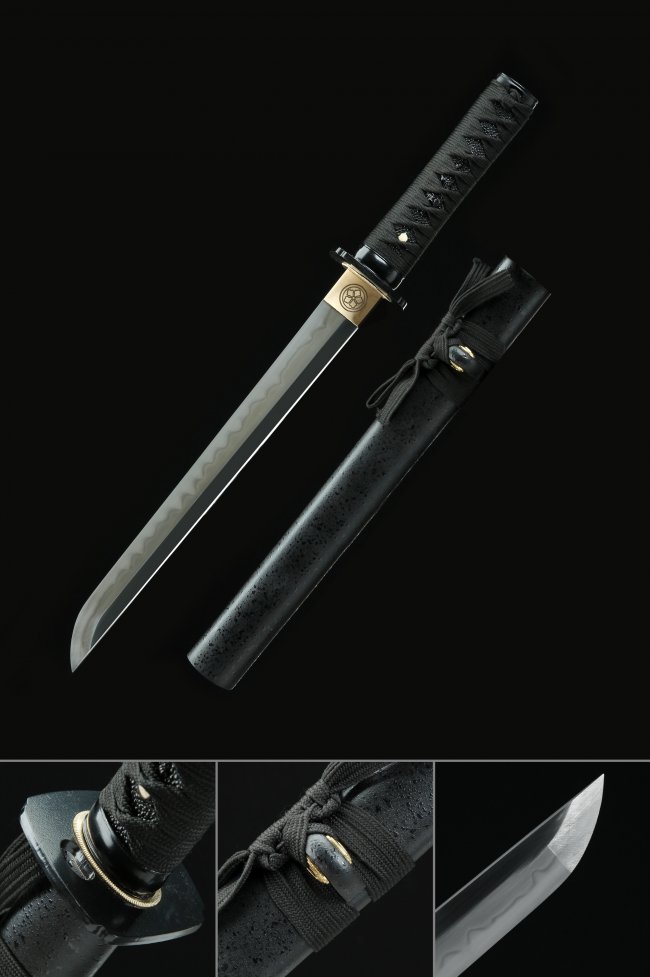
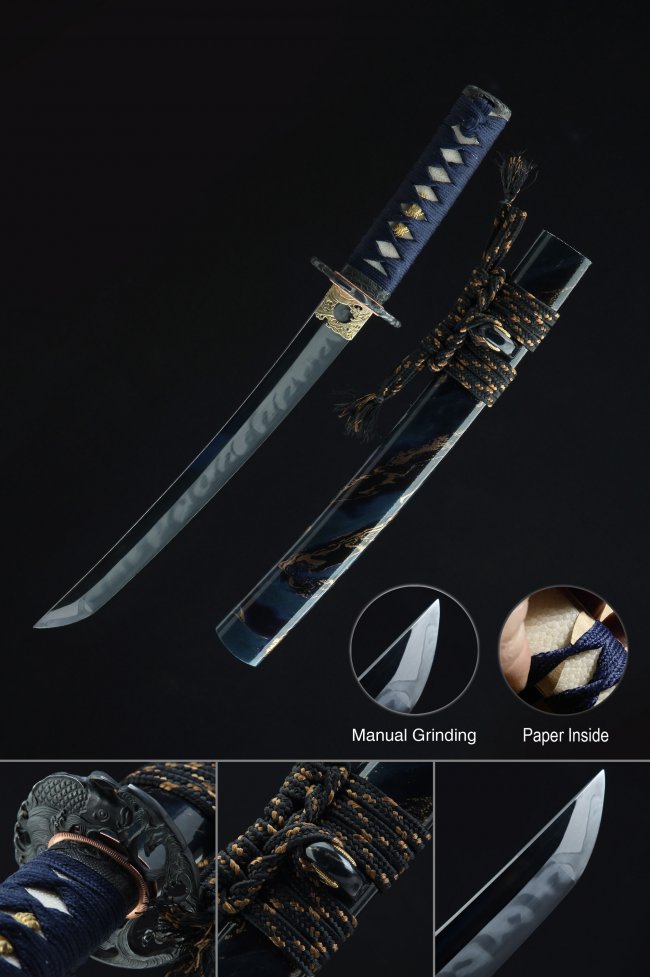
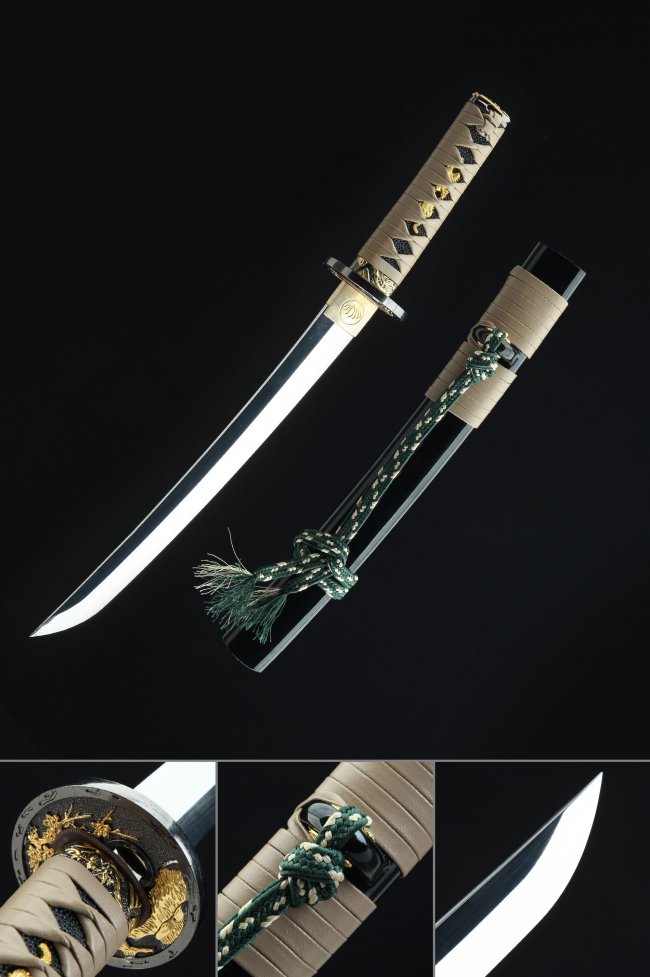
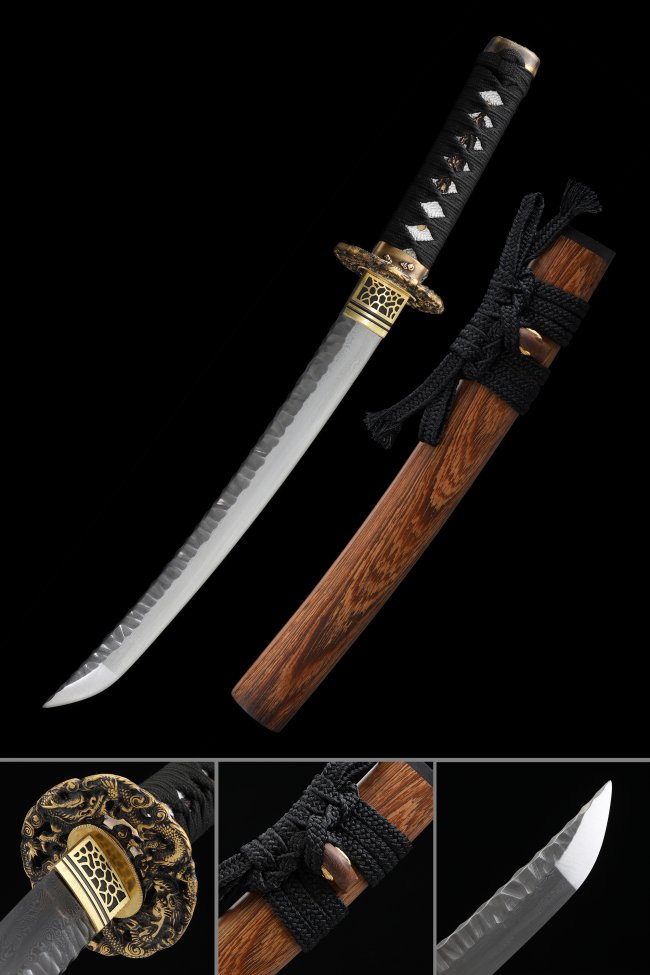
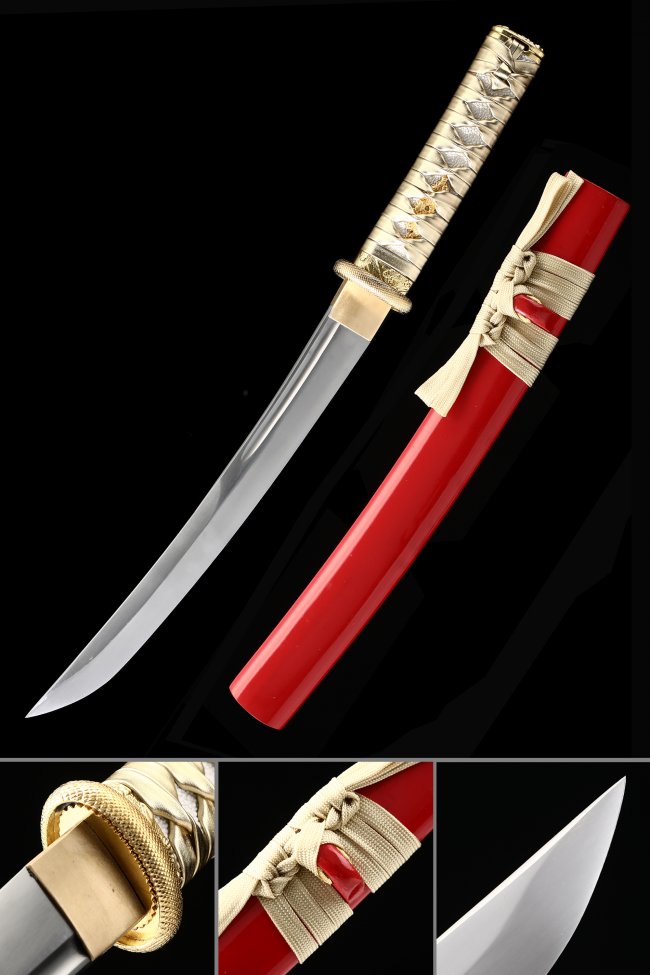
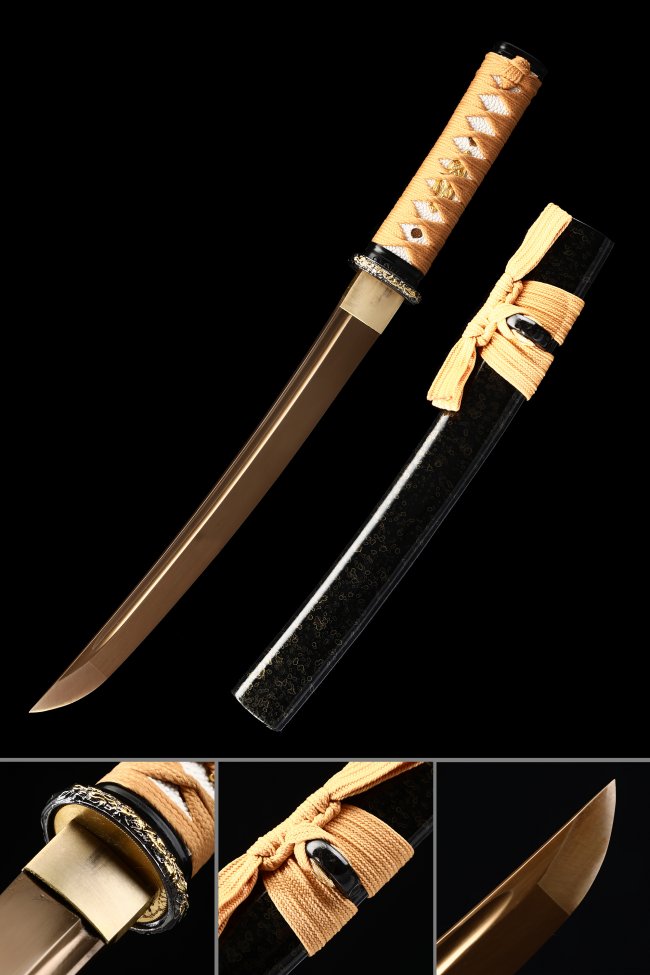
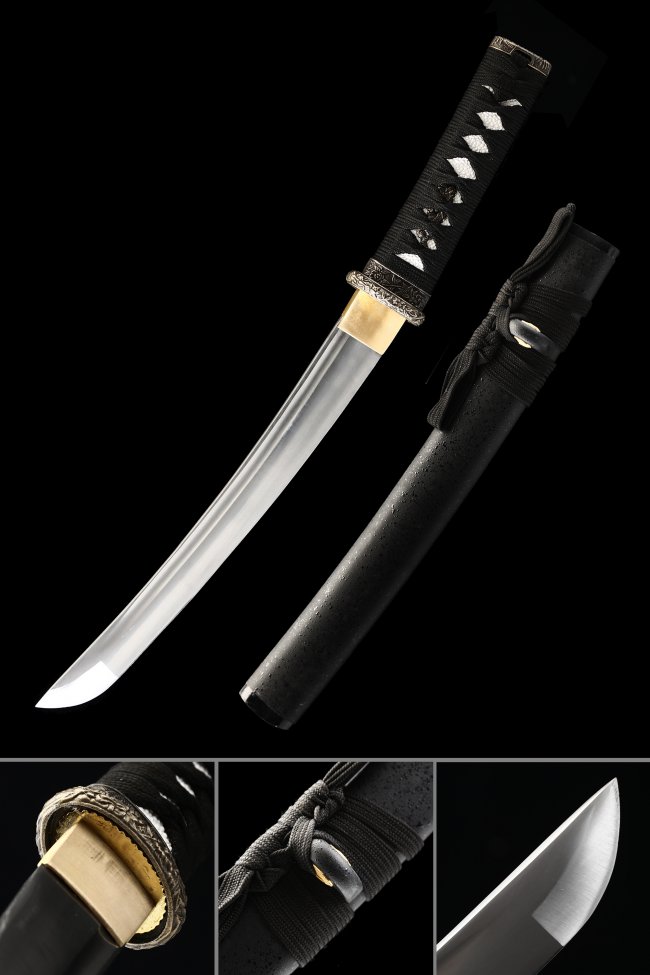
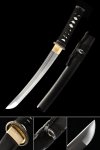
A hamidashi tanto features a small, understated tsuba — larger than an aikuchi's flush mount but much smaller than the tsuba found on a katana or wakizashi. This subtle guard provides a modest degree of hand protection while maintaining the tanto's sleek, compact silhouette. Hamidashi mounting is a popular choice for collectors who want a traditional look with a touch of added detail.
Shirasaya Tanto
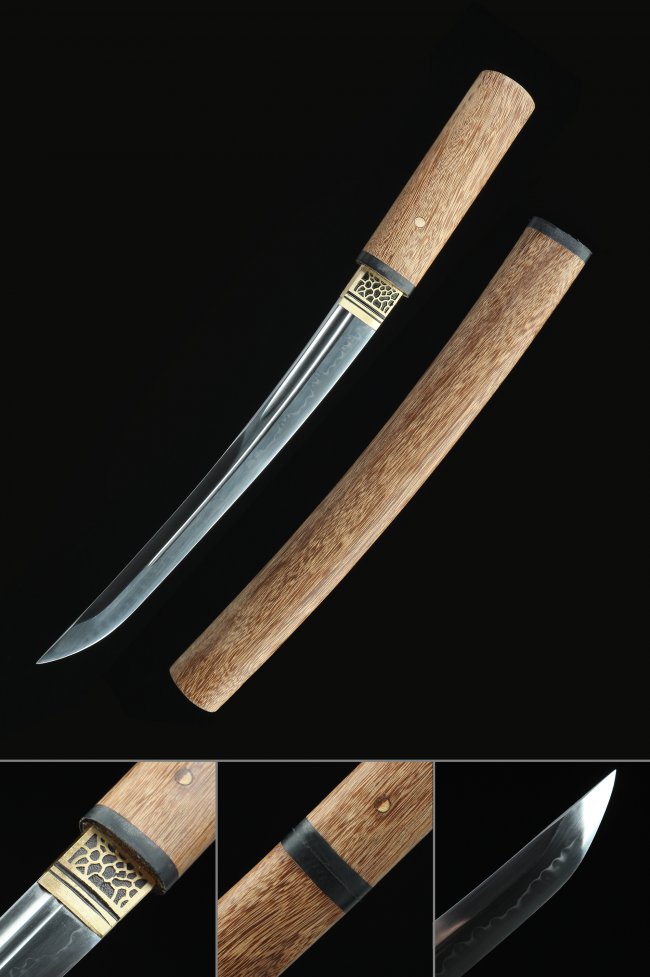
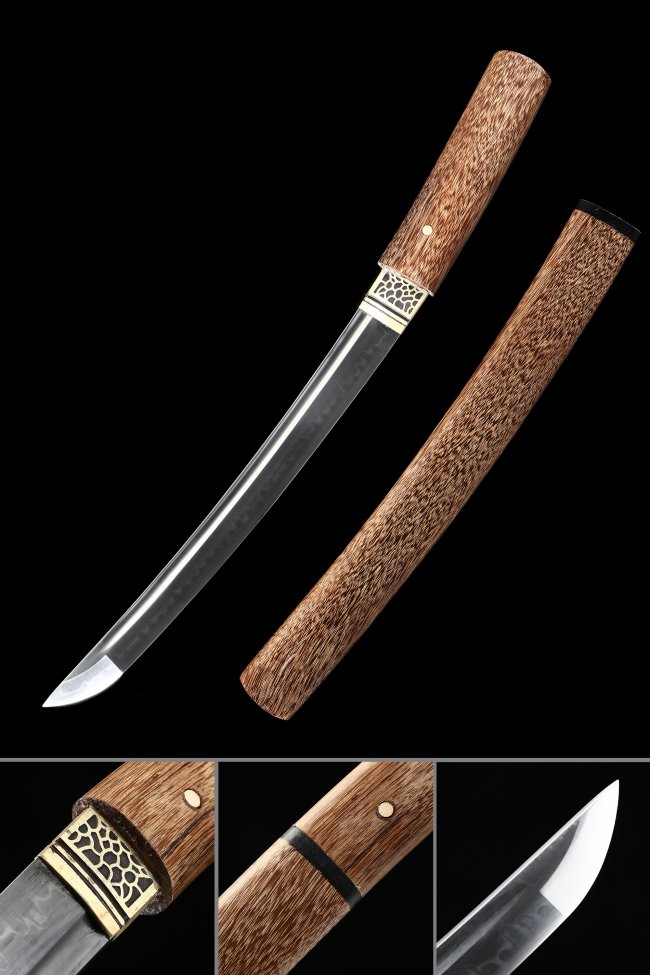
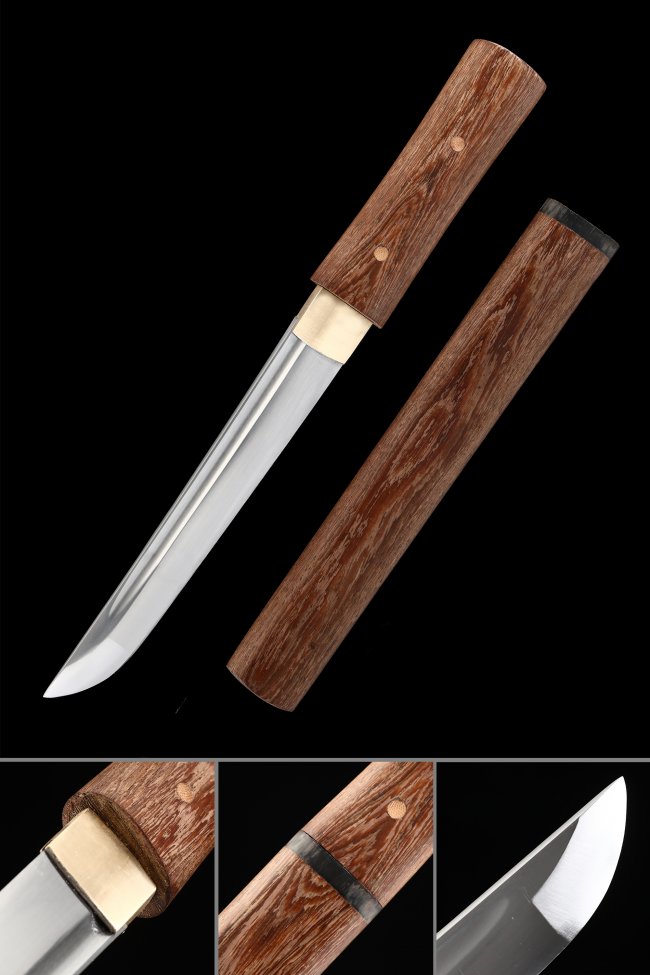
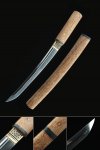
Our shirasaya tanto collection features plain wooden saya and handle without tsuba or decorative fittings. The shirasaya style was traditionally used for long-term blade storage and preservation. Today it is favored by collectors who appreciate minimalist aesthetics that highlight the blade's craftsmanship rather than ornamental mountings.
Entry-Level Tanto
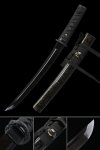
Our 1045 and 1060 carbon steel tanto swords are ideal for first-time collectors. These steels offer solid durability at an accessible price point, with full tang construction and traditional fittings. Most entry-level models feature classic blade profiles with wrapped handles and lacquered saya.
Premium and Damascus Tanto
For collectors seeking the highest level of craftsmanship, our T10 clay-tempered and damascus steel tanto swords feature real hamon lines and unique folded patterns. T10 steel produces a distinctive grain and excellent edge retention after clay tempering. Damascus steel models display layered folding patterns — no two blades are the same.
Tanto vs. Wakizashi — How to Choose
Both the tanto and the wakizashi are short Japanese blades, but they differ in size, blade profile, and historical role. A tanto has a blade under 30 cm — compact, thick, and designed for close-range utility. A wakizashi has a curved blade of 30–60 cm, essentially a scaled-down katana suited for indoor use and as a companion blade. For collectors looking for the smallest traditional Japanese blade type with a rich history, the tanto is the natural choice. For those who want a companion piece to pair with a katana in a daisho set, the wakizashi is the traditional match. TrueKatana carries both, so you can compare styles side by side.
How Our Tanto Swords Are Made
Steel Selection and Forging
Each tanto starts with raw steel — whether 1045 carbon, T10, or layered damascus. The steel is heated, hammered, and shaped by hand into a short-blade profile. For folded steel models, the billet is repeatedly folded to create visible grain patterns throughout the blade.
Clay Tempering and Hamon
On our clay-tempered models, a layer of clay is applied along the spine before quenching. This creates differential hardness — a hard cutting edge paired with a flexible spine — and produces the hamon line prized by collectors. Each hamon pattern is unique to the individual blade.
Mounting and Finishing
After polishing, the blade is fitted with a habaki collar and handle. Aikuchi models receive a flush mount without tsuba, while hamidashi models are fitted with a small guard. Saya are shaped from wood and finished with lacquer, natural rosewood, or specialty coatings. Many of our tanto feature hand-engraved copper fittings and brass accents.