4 Reviews
ON SALE 20% OFF
$149.00$189.00

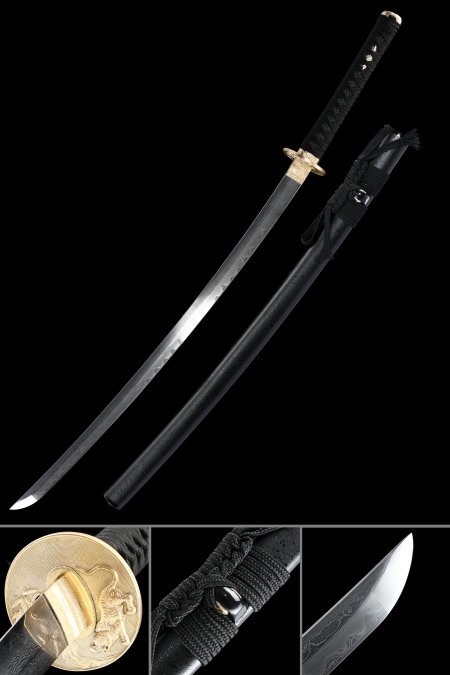
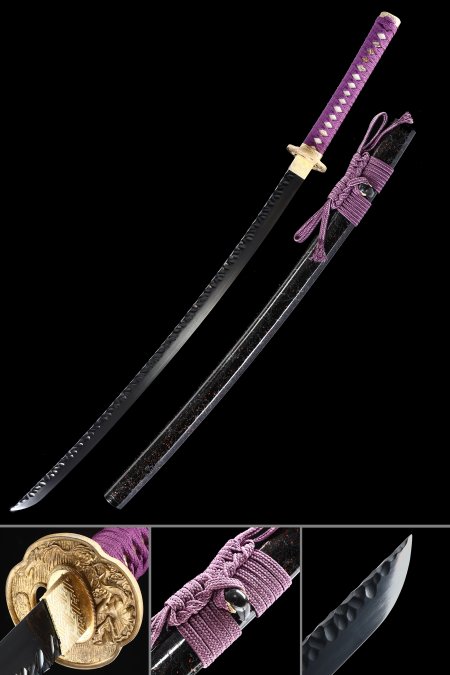
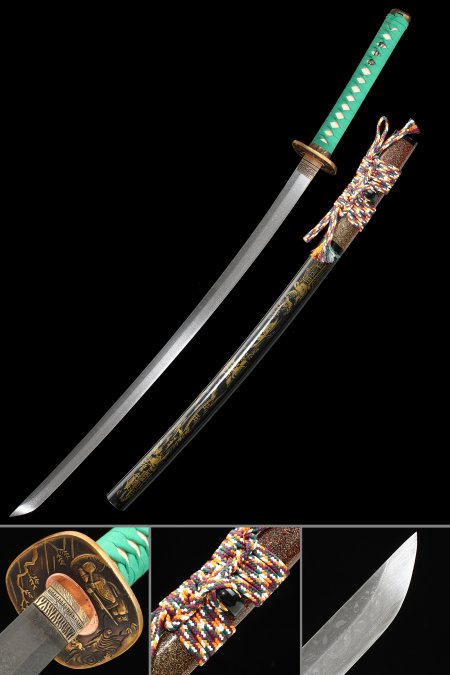
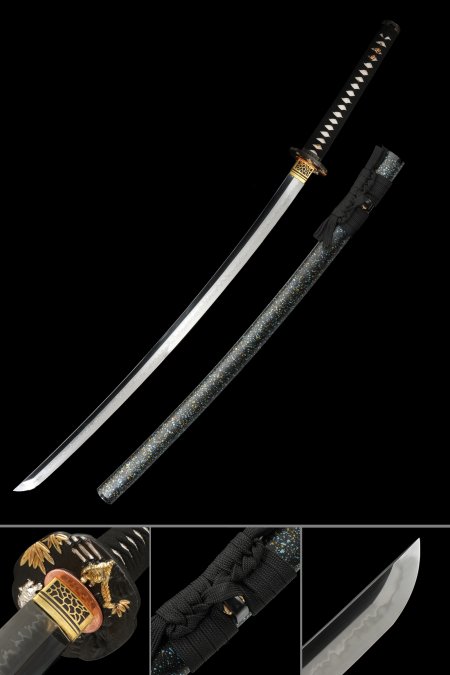
Tiger Tsuba Katana collections unite the commanding imagery of the tiger with the refined traditions of Japanese sword craft. Each piece features a distinctively cast or engraved tiger tsuba — the decorative guard that defines the sword's visual character — paired with hand-forged blades in premium steels such as T10, Damascus, and 1060 carbon. From clay-tempered hamons to lacquered hardwood saya in black, brown, and crackle finishes, every detail is chosen for display impact and collector appeal. Enjoy free shipping on your order, backed by our hassle-free return policy.
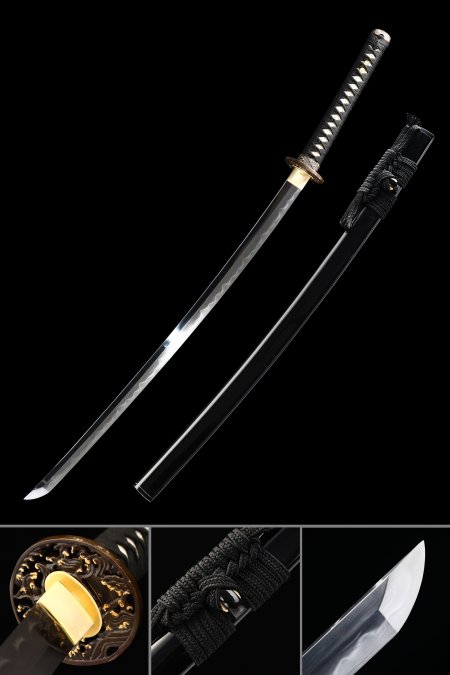
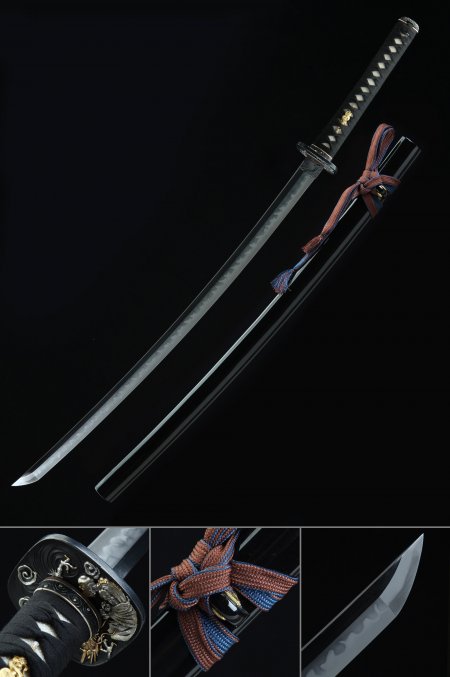
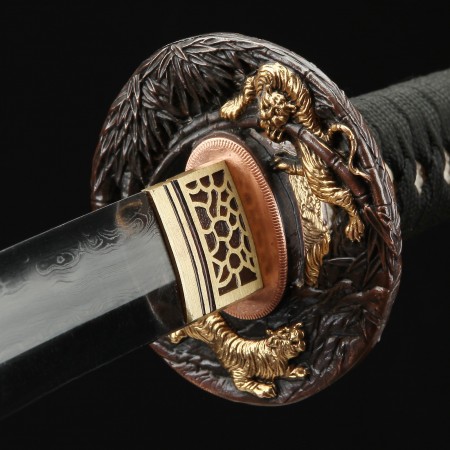
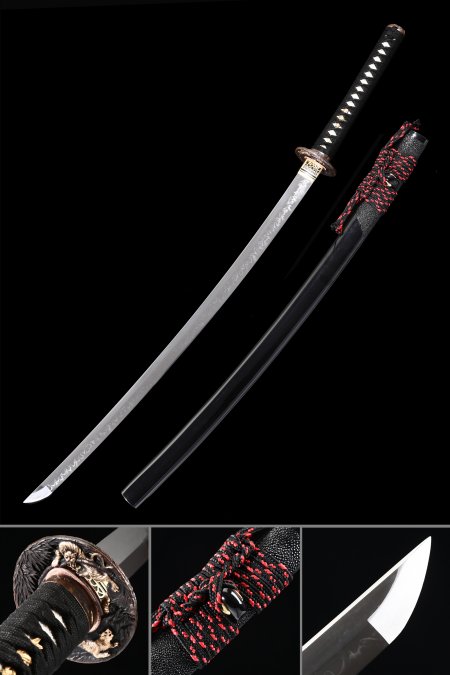
Exactly as ordered, no wobble or looseness anywhere. Sharp right out of the box. Saya has a friction fit and I worry it may wear out but aside from that small issue it is perfect.
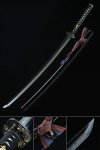 |
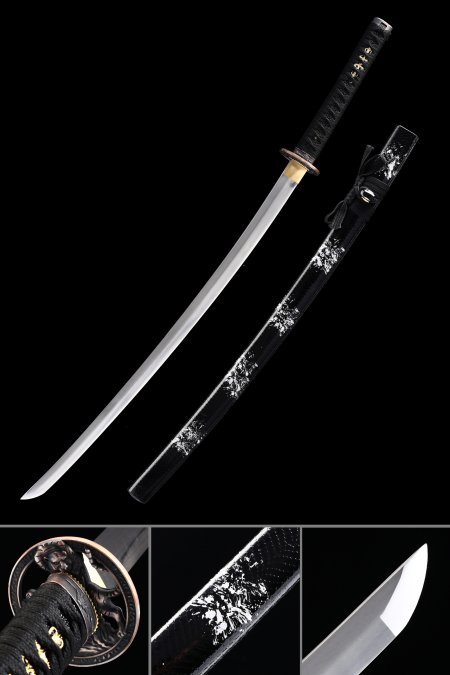
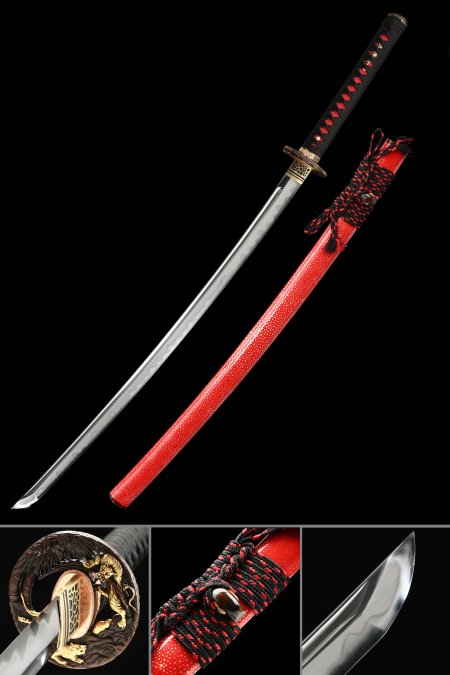
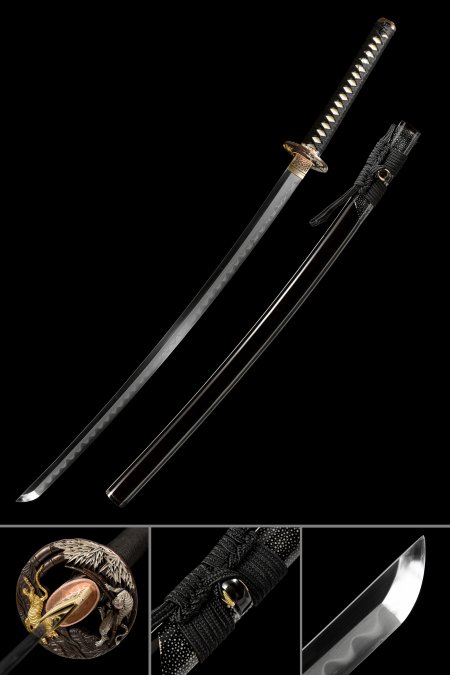
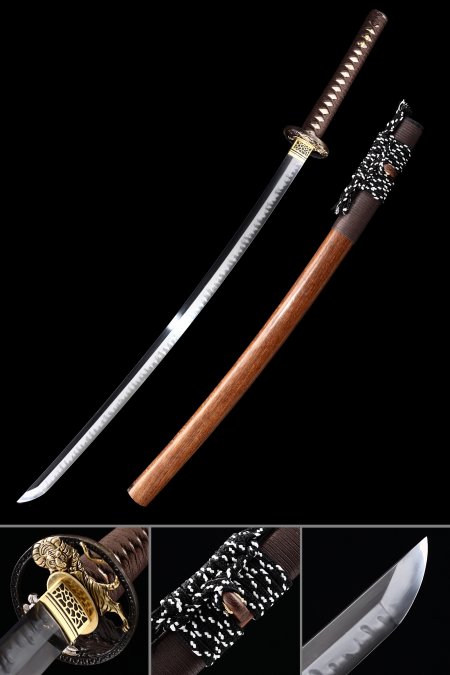
T10 Steel Clay Tempered Katana with Real Hamon in Black Piano Lacquer Saya - Tiger Tsuba |
Nice sword overall. Blade is not sharp like stated in the description, won’t even begin to cut paper. There are some small scratches that I will attempt to buff out.
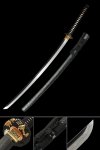 |
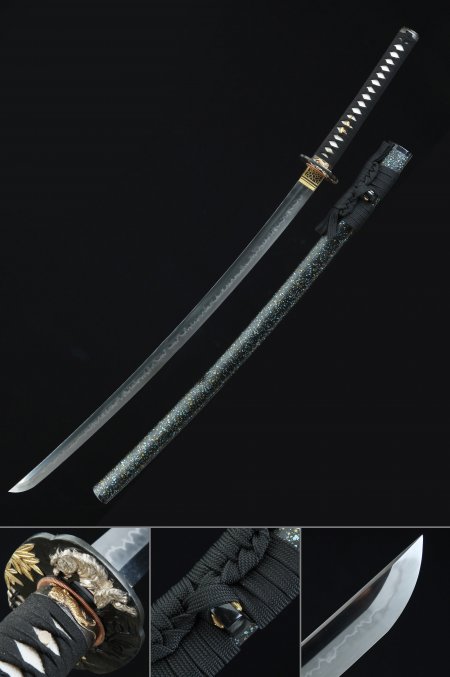
T10 Carbon Steel Katana with Real Hamon in Black & Gold - Tiger Tsuba, Galaxy Saya |
Good weight and a razor sharp blade! My only complaints are about the guard and the metal just below the guard dig into the hand/finger when in use.
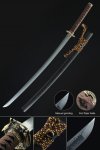 |
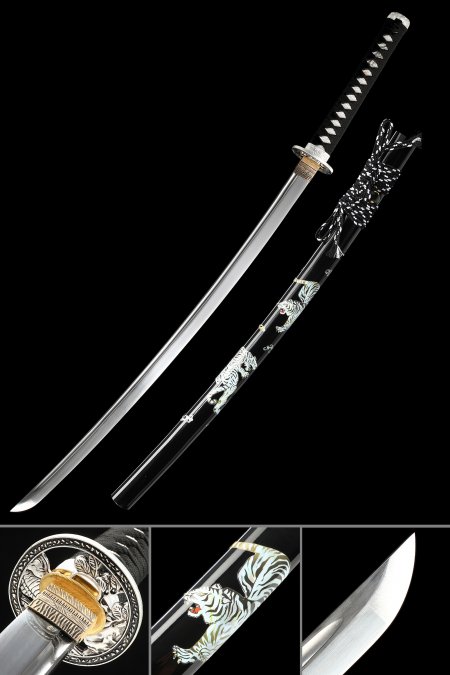
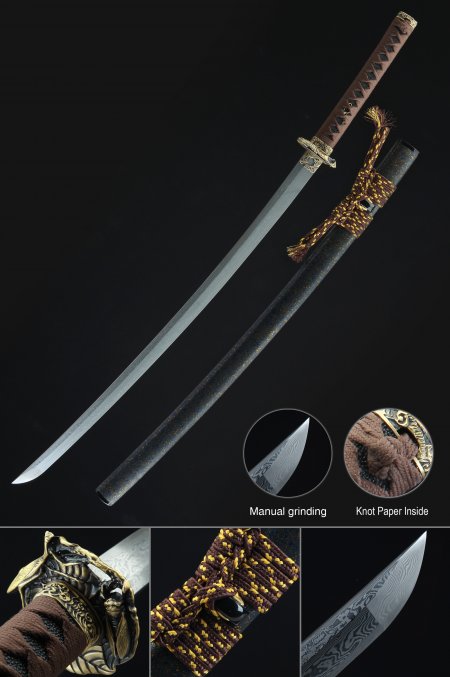
Damascus Steel Katana with Tiger Tsuba - Brown Cord Handle, Black Lacquer Saya, Brown-Gold Sageo |
Wow, This sword is nice. Great look and seems to be well made. Not actually razor sharp, maybe that’s good too. Shipping was faster than advertised and arrived in protected package. Seems like a great product for the price. I’ll be buying another in near future.
|
Damascus Steel Katana with Tiger Tsuba - Brown Cord Handle, Black Lacquer Saya, Brown-Gold Sageo |
Lovely,Fast,simple
I know that not will be only this one.
Second one is on the way :-)
I can it only recomanding.Beatiful.
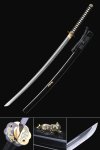 |
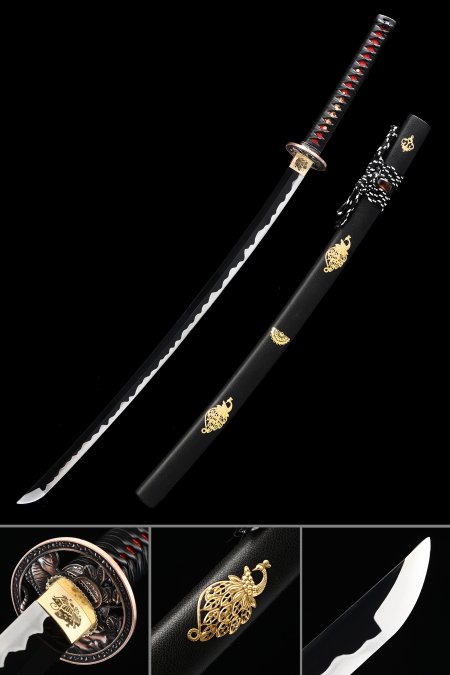
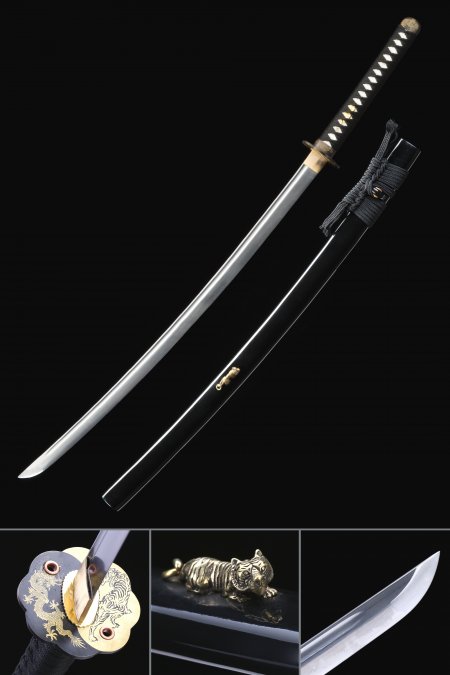
Black Katana with Tiger & Dragon Copper Tsuba - 1060 Carbon Steel, Piano Lacquer Saya |
I’m extremely satisfied with my order. I ordered a higher end sword and it came fully sharpened and is extremely sturdy. This is my first katana, however I showed it to one of my friends that is a collector of swords and he too was very impressed with the quality of the katana that I received. I will definitely be buying another in the future!
|
T10 Steel Clay Tempered Katana with Real Hamon in Black Piano Lacquer Saya - Tiger Tsuba |
Great sword. Still have it in the plastic wrap that comes around it due to me not having a place to put it for now, but it looks amazing. Absolutely stunning craftsmen work on it.
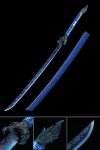 |
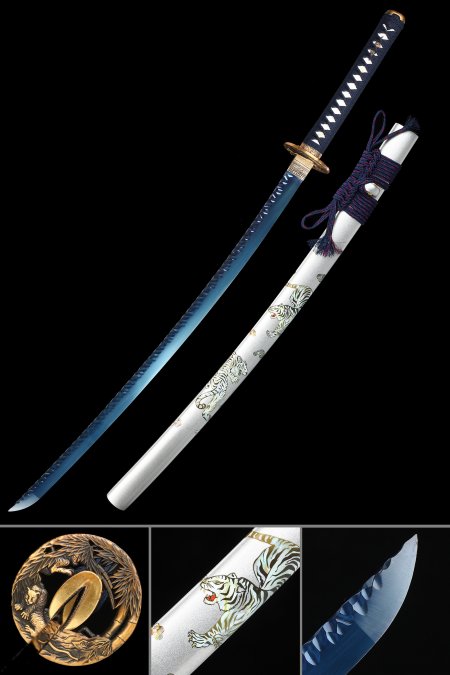
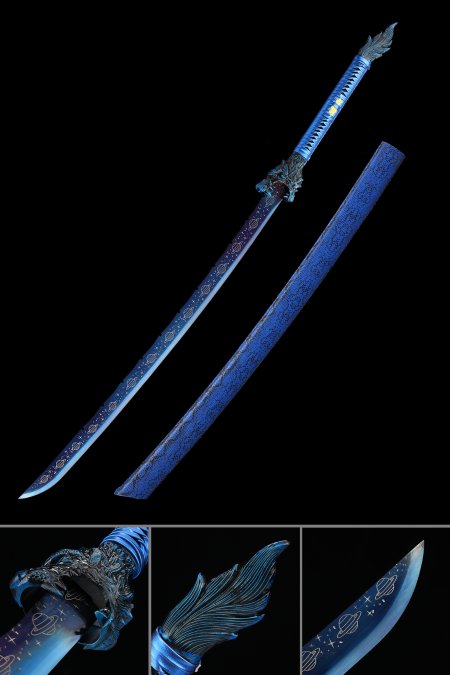
Blue 1045 Steel Katana with Planet-Engraved Blade and Tiger Tsuba - Cosmic Theme Collectible Sword |
Each item in my order shipped quickly! They arrived in time to be given for a birthday gift. I was suprized by the quality of materials and the craftsmanship that was involved in the production. My only problem with this order was I have 2 spots left on my sword rack. There are so many to choose from its gonna be tough.
|
Blue 1045 Steel Katana with Planet-Engraved Blade and Tiger Tsuba - Cosmic Theme Collectible Sword |