Vine Blade Katana

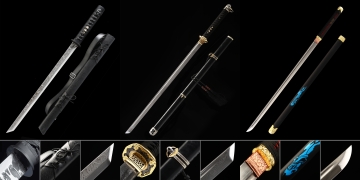
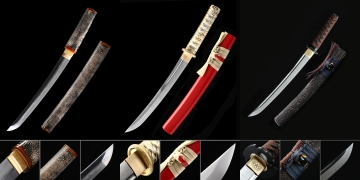
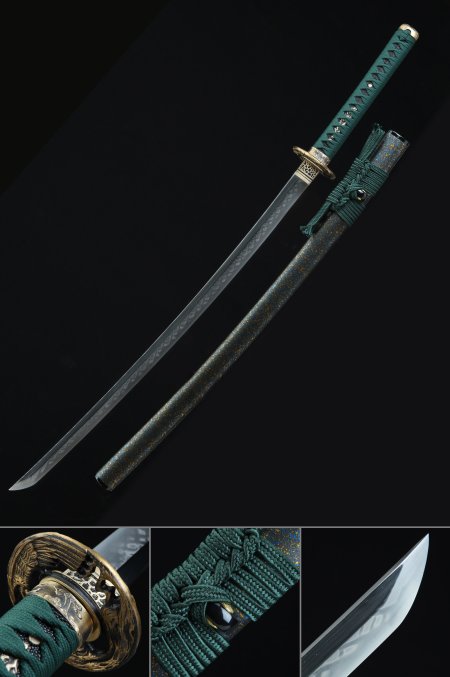
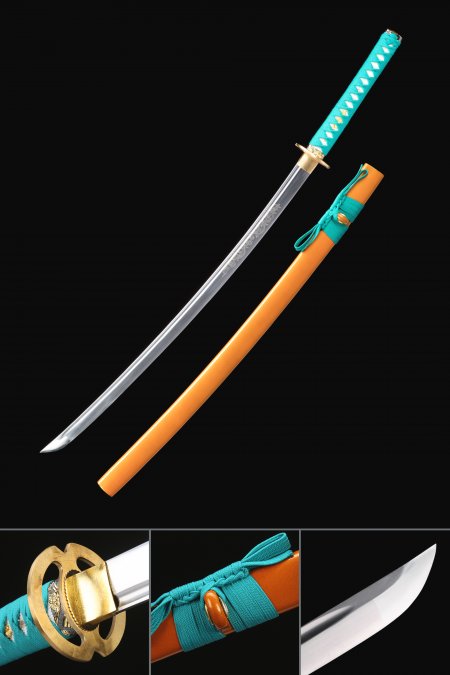
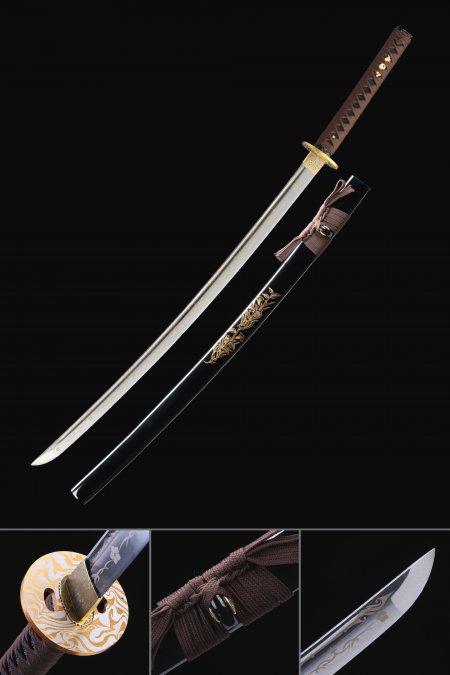
The Vine Blade Katana collection brings together hand-forged carbon steel katana with distinctive decorative wrapping, richly lacquered saya, and ornate tsuba - curated for collectors who appreciate the harmony of traditional craftsmanship and visual artistry. Each piece is crafted with full-tang construction and carefully selected materials, from 1045 and 1060 carbon steel to clay-tempered T10, making every sword a worthy centerpiece for any display. Enjoy free standard shipping on your order, backed by our hassle-free return policy.
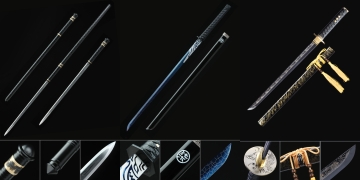
Showing 3 Products

Frequently Asked Questions

What carbon steel grades are used in Vine Blade Katana?
The Vine Blade Katana collection draws from three carbon steel grades: 1045, 1060, and T10 tool steel. 1045 is a mid-range carbon steel with reliable hardness and a clean polish, making it an accessible entry point for display collectors. 1060 raises the carbon content slightly, producing a blade that takes a finer edge geometry and develops a more pronounced surface grain under polish. T10 is a high-carbon tool steel with a tungsten additive that improves wear resistance and supports clay tempering - a traditional forging technique that creates a genuine hamon temper line along the blade. Each grade has a distinct visual and structural identity, so the steel choice meaningfully affects both the appearance and the long-term collectible character of the piece.
What is a real hamon and why do collectors value it?
A hamon is the temper line that forms along a blade when it undergoes differential hardening - a process where clay is applied to the spine before quenching, causing the edge and spine to cool at different rates. The result is a visible boundary between the harder edge steel and the softer spine, often appearing as a misty, cloud-like wave pattern. On a genuine clay-tempered blade, every hamon is unique, shaped by the specific clay application, the forge temperature, and the quench. This makes it one of the few visual elements on a katana that cannot be replicated exactly twice. Collectors distinguish real hamons from acid-etched simulations by examining the line under direct light - a true hamon has depth and tonal variation, not a flat surface marking.
How should I store a lacquered saya to prevent damage?
Piano lacquer saya are susceptible to two main threats: humidity fluctuations and physical contact with hard surfaces. Store the katana horizontally on a dedicated sword stand in a climate-controlled room, ideally between 40-60% relative humidity. Avoid placing the saya near heating vents, exterior walls, or windows where temperature swings are pronounced - lacquer can develop hairline cracks when the underlying wood expands and contracts repeatedly. Never wrap the saya tightly in foam or synthetic materials that trap moisture. A soft cotton sleeve or a silk bag allows the lacquer to breathe while protecting the finish from scratches. Inspect the kojiri (saya tip fitting) periodically to ensure it remains snug, as a loose tip fitting is often the first sign of underlying wood movement.
How does ito wrap color affect collectible value and display appeal?
Ito is the braided cord wrapped over the same-guchi (handle) in a traditional diagonal lozenge pattern, and its color choice is one of the most immediate visual signals a katana sends to a viewer. In classical Japanese sword culture, handle colors carried contextual meaning tied to rank and occasion. For contemporary display collectors, the pairing of ito color with saya finish is evaluated as a unified composition - a brown ito against a black piano lacquer saya creates a grounded, formal contrast, while teal ito against an orange saya introduces a bold complementary dynamic. These pairings are set intentionally by the maker and are part of what gives a collection its coherent visual identity. When displaying multiple katana together, varied ito colors allow each piece to read as distinct without clashing.
Is a full-tang katana better for display than a partial-tang version?
For display and long-term collection purposes, full-tang construction is strongly preferred. A full-tang blade extends the steel through the entire length of the handle, secured by one or more mekugi (bamboo or brass retaining pegs). This creates a mechanically stable assembly where the handle does not loosen over time from its own weight or minor handling during cleaning and inspection. Partial-tang designs, where the steel extends only partway into the handle, are more prone to developing play at the handle joint as adhesives age. For a mounted display piece that will be taken down, examined, and repositioned over years, full-tang construction ensures the katana retains its original fit and alignment - which matters both aesthetically and as a mark of long-term quality.

Customer Reviews

Juan Serrano Je Kansas, United States

Sword arrived in about 10 days and came oiled, however the sword was sharp on some parts of the blade yet completely dull on most of the blade. If you are buying this sword to actually cut things I wouldn’t buy from this website because it seems they are only for decoration. The sword i ordered looks exactly the way it does in the picture no dings or scratches anywhere on the blade. It’s beautiful to be honest but I can get past how dull the blade is. I won’t be returning to purchase more goods.

1045 Carbon Steel Katana with Gold Wave Tsuba and Black Piano Lacquer Saya - Brown Ito Wrap 1045 Carbon Steel Katana with Gold Wave Tsuba and Black Piano Lacquer Saya - Brown Ito Wrap