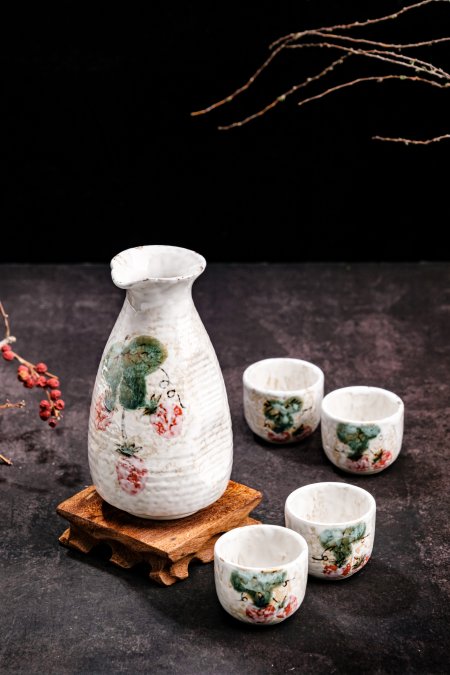
White Ceramics Japanese Sake Set
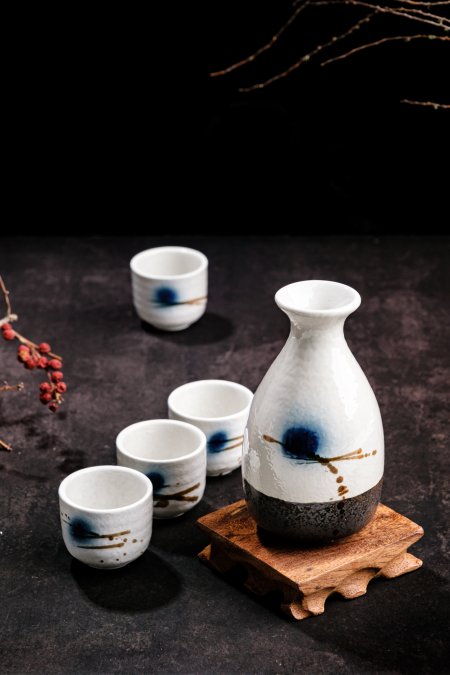
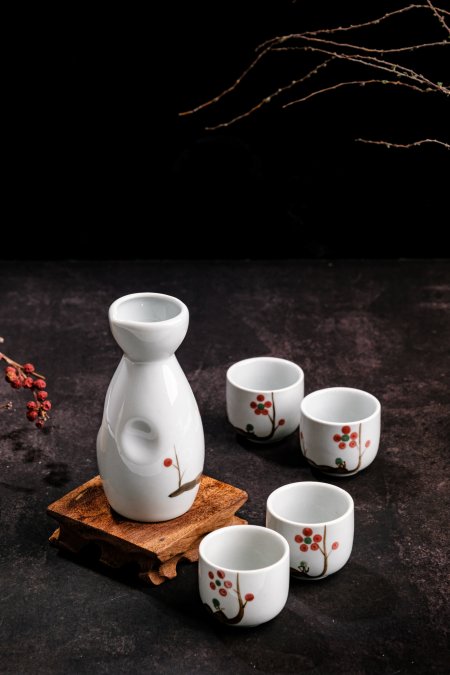
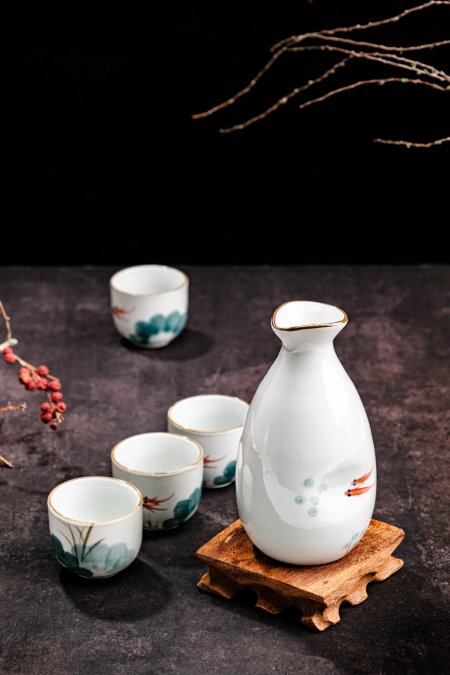
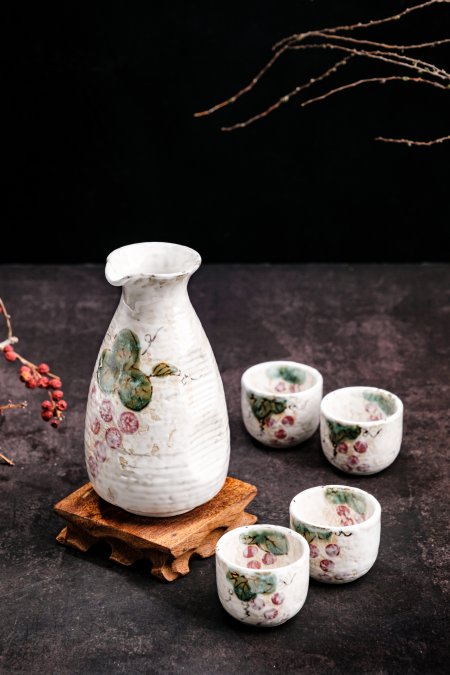
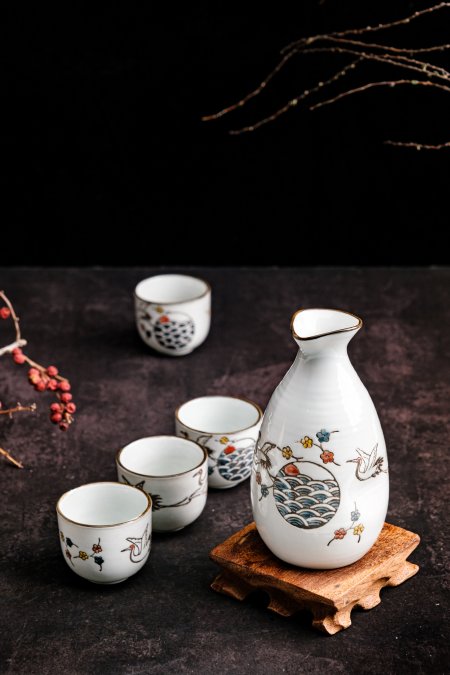
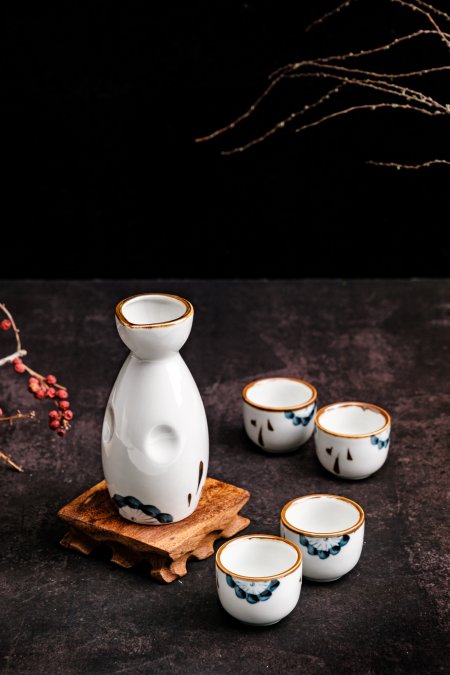
Rooted in centuries of Japanese ritual and aesthetic tradition, our White Ceramics Japanese Sake Set collection brings the serene beauty of porcelain and ceramic craftsmanship to your table or display shelf. Each set pairs a gracefully shaped serving carafe with four matching cups, finished in clean white glazes that evoke the minimalist elegance of wabi-sabi. A thoughtful gift for enthusiasts of Japanese culture and a refined addition to any home collection. Enjoy free shipping on your order, with hassle-free returns for complete peace of mind.
Related Collections
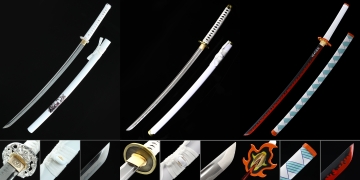
White Japanese Sword69 items
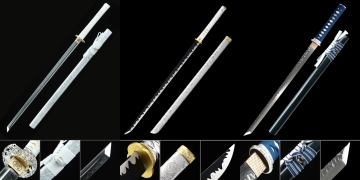
White Sageo Ninjato5 items
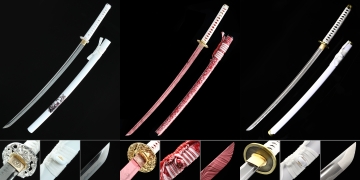
White Saya Katana100 items
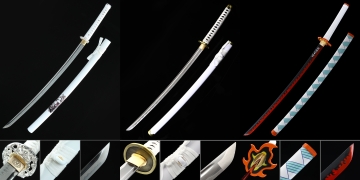
Aikuchi White Katana56 items
Frequently Asked Questions
What is the difference between porcelain and ceramic sake sets?
Porcelain is fired at higher kiln temperatures - typically above 1,200°C - resulting in a denser, harder body that is often slightly translucent when held to light. Its glaze surface tends to be smooth and glass-like, giving white porcelain sake sets a luminous, refined appearance. Ceramic, fired at lower temperatures, produces a more porous body with a subtly textured, matte-leaning surface that feels warmer and more tactile in the hand. In Japanese tradition, both materials have deep craft histories: Arita and Imari regions are celebrated for porcelain, while Mino and Bizen are known for expressive ceramic wares. For display and collection purposes, porcelain sets tend to photograph with greater visual clarity, while ceramic sets often carry a handmade quality that collectors find equally appealing.
Why do most Japanese sake sets include exactly four cups?
The standard 5-piece sake set - one tokkuri carafe and four ochoko cups - reflects the communal and ceremonial nature of traditional sake service. In Japanese culture, sake is rarely consumed alone; it is shared as part of a social or ritual act, and pouring for another person is considered a gesture of respect and hospitality. Four cups accommodate the typical small gathering or household setting. The tokkuri itself is designed to be warmed in hot water before serving, allowing the sake to reach the ideal serving temperature while the narrow neck helps retain heat. Understanding this context transforms the set from tableware into a cultural artifact - one that encodes centuries of social practice into its very form.
How should I care for a white ceramic sake set on display?
For sets displayed rather than used regularly, the primary concerns are dust accumulation, UV exposure, and humidity. Wipe surfaces gently with a soft, dry cloth - avoid abrasive materials that can dull a glaze over time. Keep sets away from direct sunlight, which can cause subtle yellowing in white glazes over years of exposure. In humid climates, unglazed or partially glazed ceramics can absorb moisture, so storing or displaying in a stable indoor environment is advisable. If you do use the set occasionally, hand-wash only with mild soap and allow pieces to air-dry completely before returning them to a display shelf. Avoid stacking cups inside one another, as this can cause micro-scratches on the glaze interior.
Are white sake sets a good gift for someone interested in Japanese culture?
A white ceramics sake set is one of the more thoughtful gifts you can give to someone who appreciates Japanese art, design, or cultural practice. Unlike decorative items that simply reference Japan visually, a sake set carries genuine functional and ceremonial meaning - it connects the recipient to a living tradition that spans Shinto ritual, seasonal celebration, and everyday hospitality. The white colorway is particularly versatile: it reads as minimalist and contemporary while remaining rooted in classical Japanese aesthetics. For gifting, look for sets where the carafe and cups share a coherent design language, and where the glaze finish has visible character rather than a uniform factory appearance. These details signal quality that a discerning recipient will recognize immediately.
How does a sake set complement a Japanese collectibles display?
A sake set introduces a domestic and ceremonial dimension to a Japanese collectibles display that swords and armor alone cannot provide. While blades and fittings speak to martial and artistic tradition, sake vessels represent the quieter, equally significant world of Japanese ritual hospitality. In terms of visual composition, white ceramic pieces create natural breathing room alongside darker lacquerwork, iron fittings, or wood elements - their pale surfaces draw the eye and balance a display without competing for attention. Collectors who favor a thematic approach often find that grouping pieces by color or finish - for example, pairing a white sake set with items from a White Tanto collection - creates a cohesive aesthetic narrative that feels intentional and curated rather than accumulated.