What does clay tempering do, and how can I spot a real hamon?
Updated Feb 2026
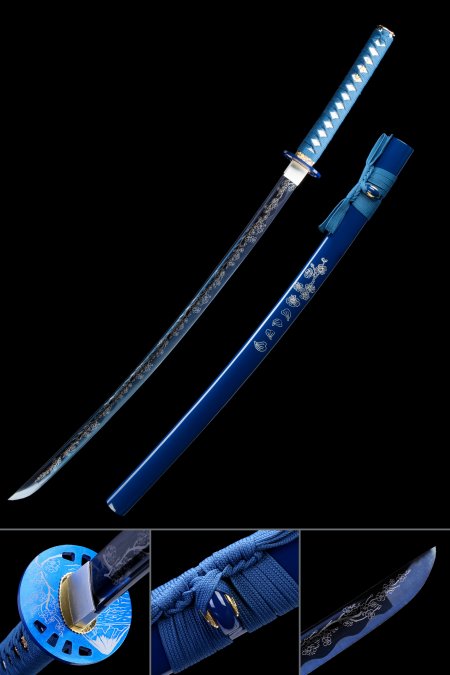
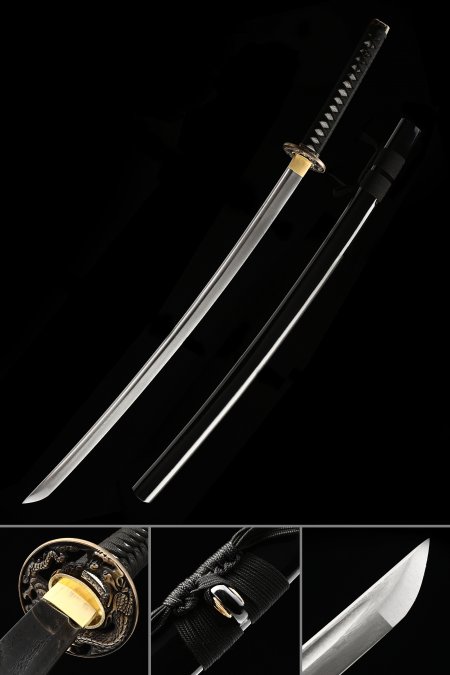
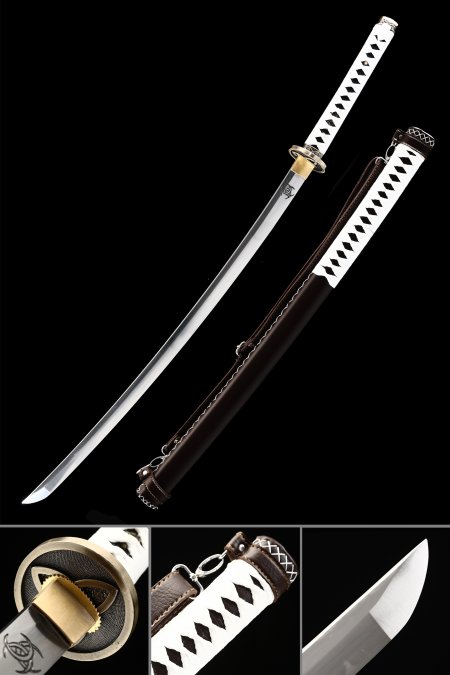
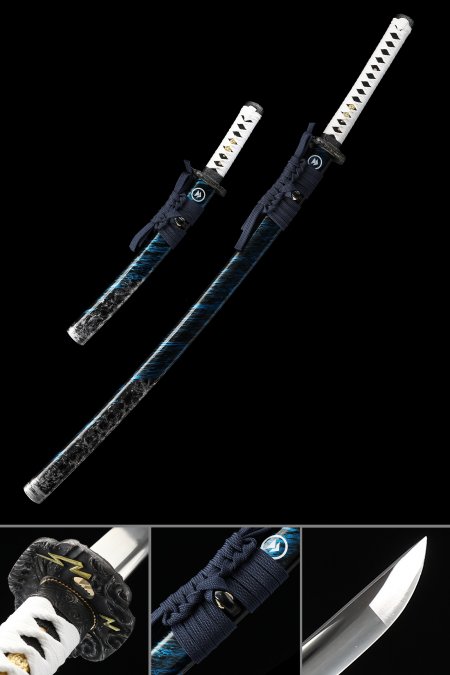
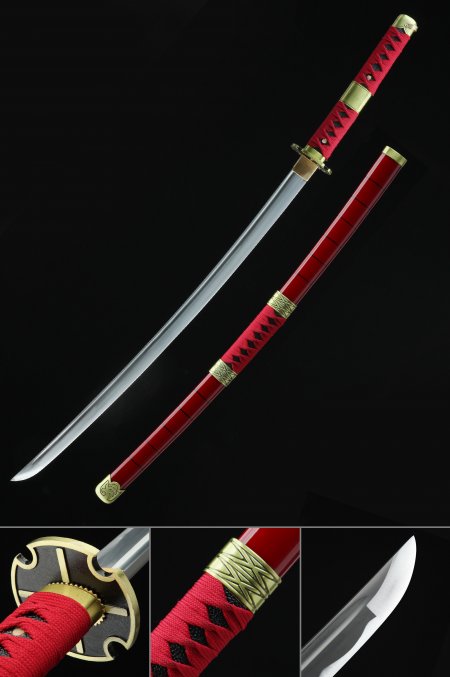
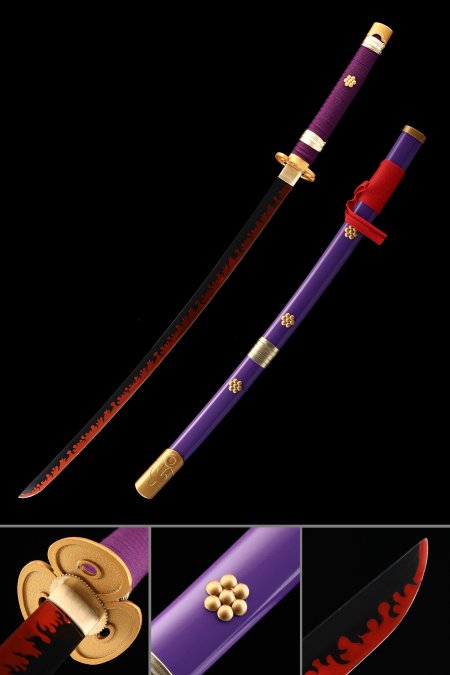
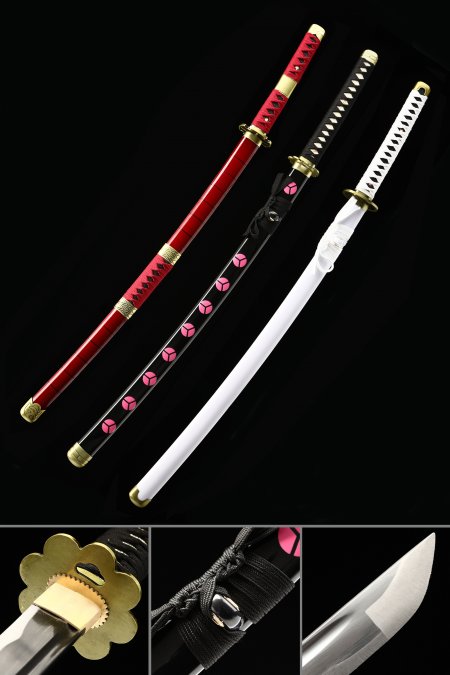
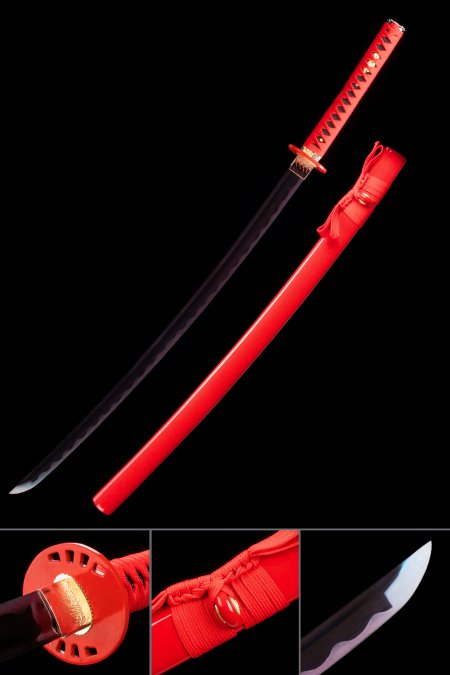
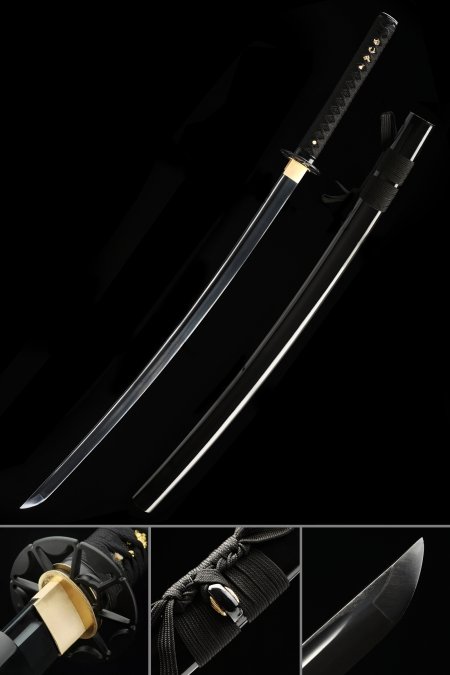
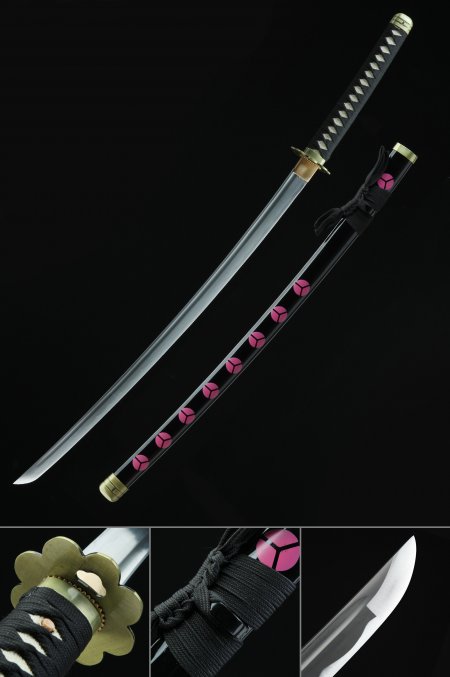
Clay tempering is a traditional Japanese heat-treatment technique where a mixture of clay, ash, and charite is applied in varying thicknesses along the blade before quenching. The spine, coated in thicker clay, cools slowly and remains relatively softer and more flexible, while the edge cools rapidly through the thinner clay layer, achieving greater hardness. This differential hardening produces the hamon — the wavy or undulating line visible along the blade. A real hamon, unlike an etched or acid-applied decorative line, reveals itself under close inspection as a subtle, three-dimensional transition in the steel's crystalline structure. Under natural light, you can see the difference in grain texture between the harder martensite near the edge and the softer pearlite toward the spine.