Why does full-tang construction matter for a collectible sword?
Updated Mar 2026
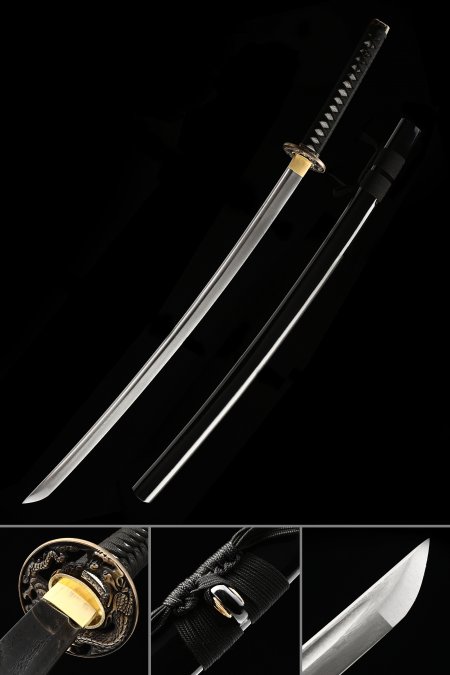
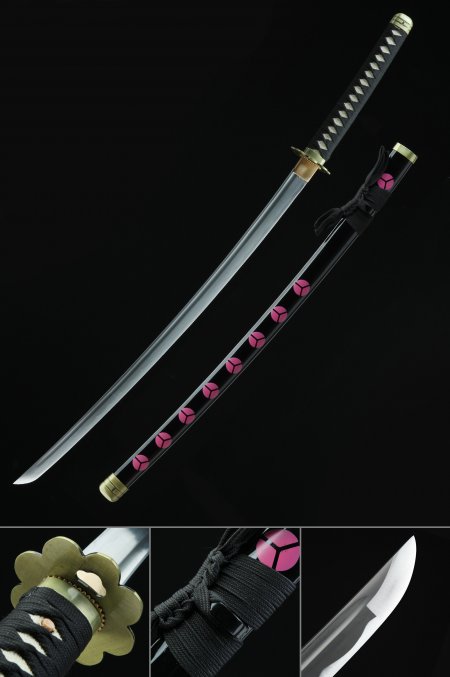
Full-tang construction means the steel billet of the blade extends in one continuous piece through the entire length of the grip, terminating at or through the pommel. This is the construction standard found in both historical originals and high-quality modern replicas. The alternative, a partial or rat-tail tang, involves a much narrower steel rod inserted into the hilt, which creates a mechanical weak point at the junction between blade and handle. For a collectible piece, full-tang construction ensures the sword holds its correct historical balance point, typically located a few inches forward of the crossguard, and it guarantees that the pommel, grip, and blade remain securely unified through decades of display and handling. It is also the clearest quality indicator when comparing replicas at different price points: a full-tang sword requires significantly more steel, more precise forging, and more skilled assembly than a partial-tang alternative.