What makes a flame blade ninjato different from a standard ninjato?
Updated Mar 2026
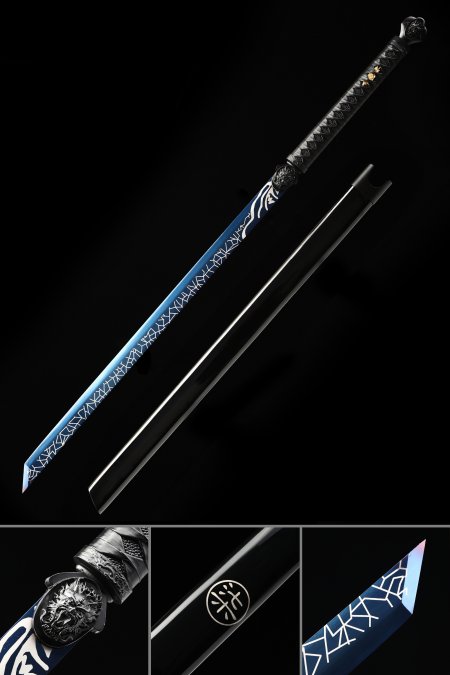
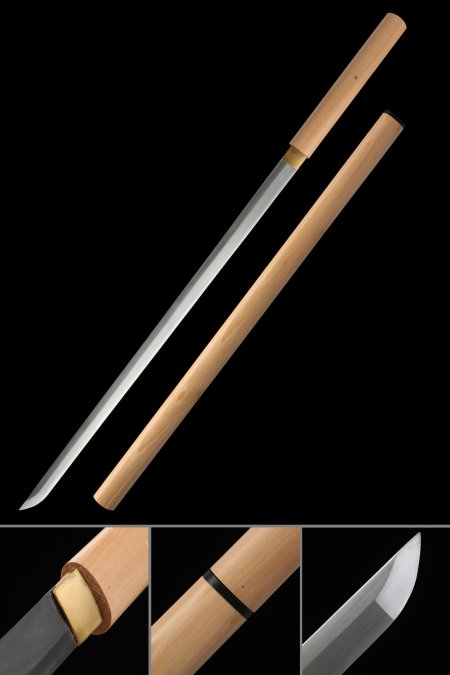
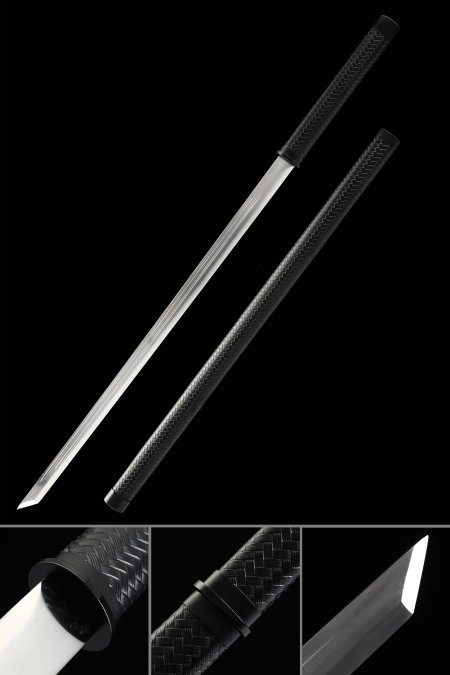
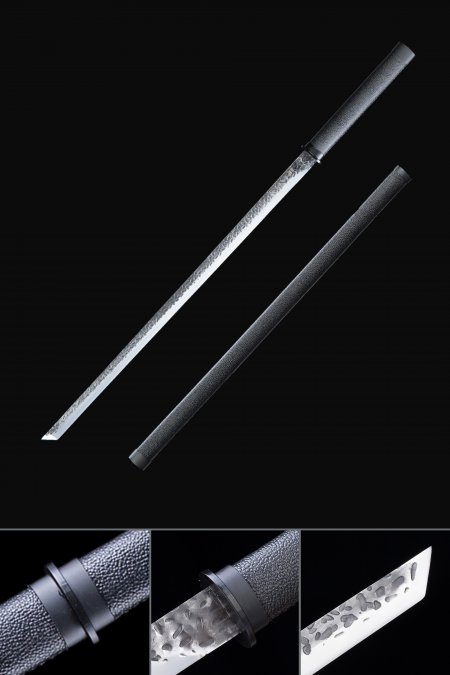
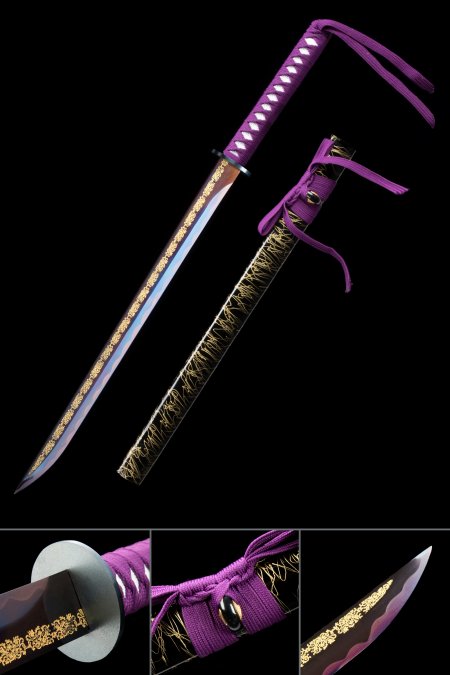
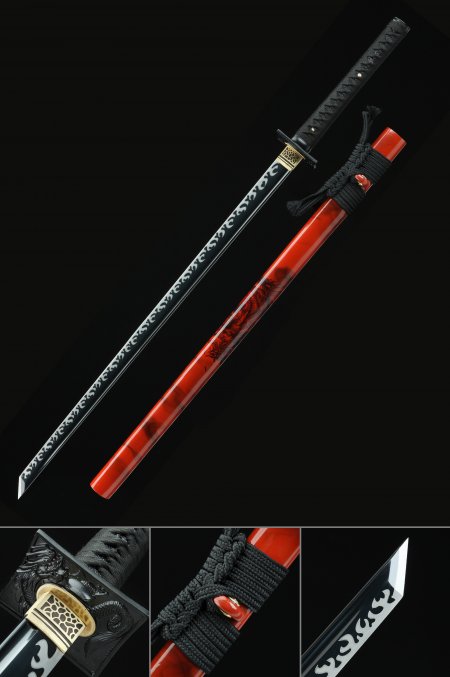
A standard ninjato is defined by its straight, single-edged blade and squared or simple tsuba — characteristics that distinguish it from the curved katana. A flame blade ninjato keeps that same straight-blade profile but adds hand-engraved or heat-treated flame patterns along the flat of the blade. These motifs are not merely painted on; they are etched or engraved into the steel surface and then finished with oxidation or controlled coloring techniques that lock the pattern into the metal. The result is a visual texture that catches light differently as the blade is turned, giving the collectible a dynamic quality that a plain-finish blade cannot replicate. The flame motif also has historical and cultural resonance in Japanese decorative arts, where fire imagery represents transformation and spiritual power — lending these pieces a layer of symbolic meaning that appeals to collectors who value iconography alongside craftsmanship.