What makes an aikuchi different from a standard tanto?

 Updated Mar 2026

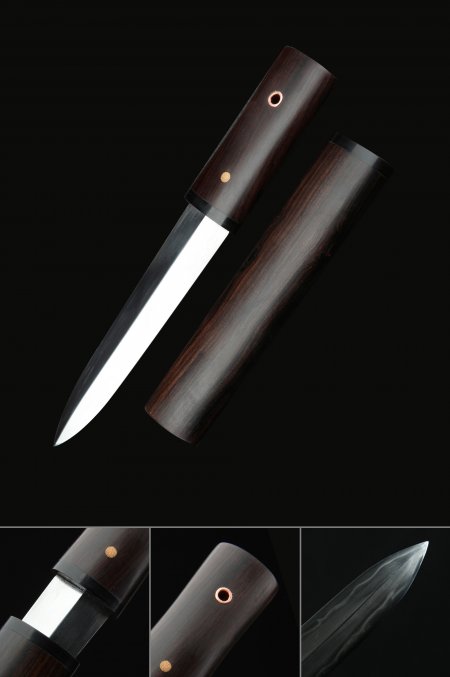
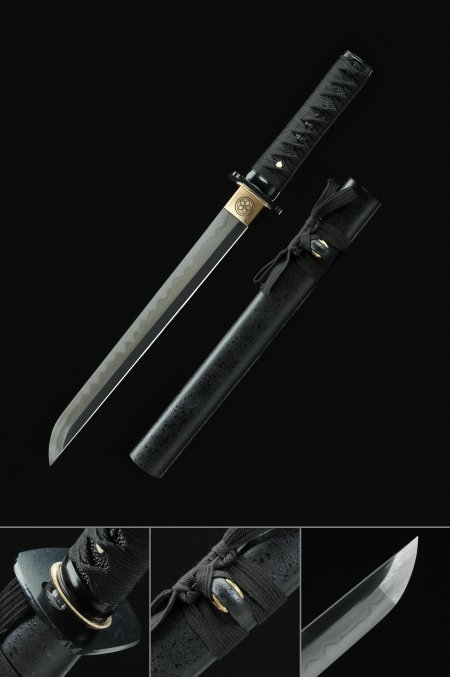
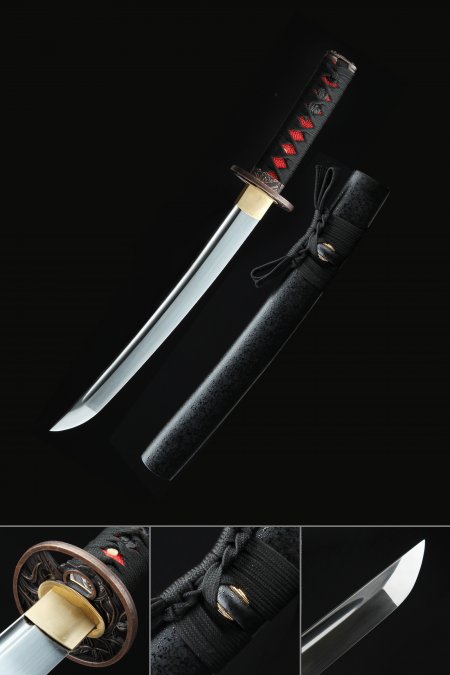
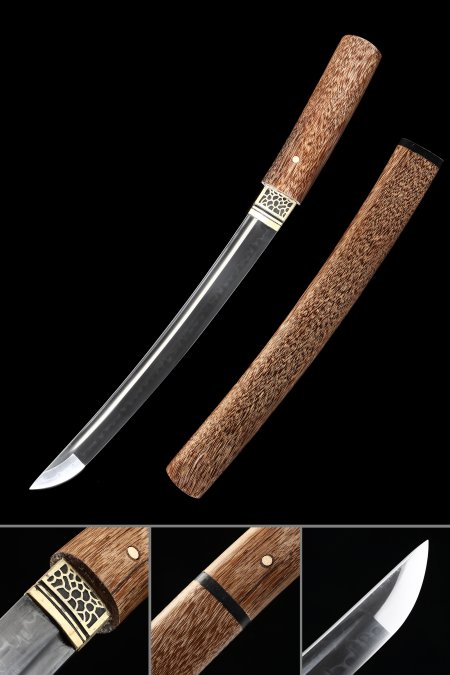
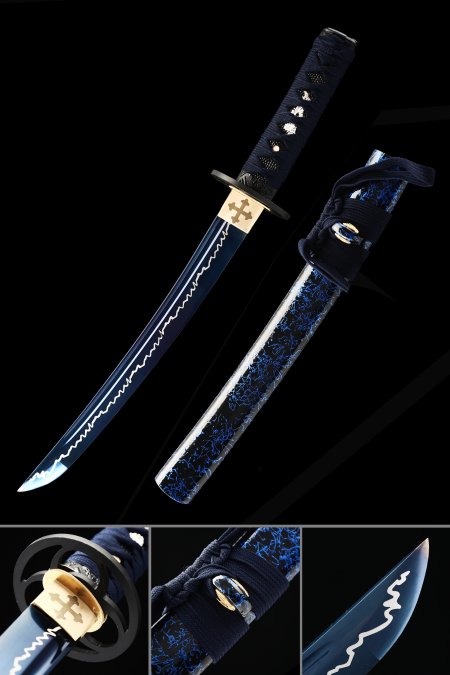
The defining feature of an aikuchi is the absence of a tsuba — the hand guard that separates blade from handle on most Japanese swords. Instead, the habaki (blade collar) seats directly against the koiguchi (mouth of the scabbard), and the fuchi (handle collar) closes the gap with no guard in between. This guardless design was historically associated with formal civilian dress, court attire, and presentation pieces where the wearer wanted to signal refinement rather than readiness. The visual effect is sleeker and more unified than a guarded tanto, placing all decorative emphasis on the harmony between handle materials, metal fittings, and saya finish. In gold tsuba aikuchi specifically, the term 'tsuba' is used loosely to describe the gold-toned metal fittings — habaki, fuchi, and kashira — that define the piece's aesthetic identity.
Popular Products

20% OFFshort katana
139.00 USD
179.00 USD
15% OFFshirasaya tanto
149.00 USD
179.00 USD
15% OFFdouble edge tanto
189.00 USD
219.00 USD
15% OFFdouble edge tanto
159.00 USD
189.00 USD
15% OFFhamidashi tanto
149.00 USD
179.00 USD
15% OFFtanto sword
109.00 USD
129.00 USD
15% OFFhamidashi tanto
149.00 USD
179.00 USD
15% OFFtanto sword
179.00 USD
209.00 USD
15% OFFtanto sword
129.00 USD
149.00 USD
15% OFFtanto sword
139.00 USD
159.00 USD
15% OFFshirasaya tanto
149.00 USD
179.00 USD
15% OFFtanto sword
139.00 USD
169.00 USD
20% OFFshort katana
139.00 USD
179.00 USD
15% OFFshirasaya tanto
149.00 USD
179.00 USD
15% OFFdouble edge tanto
189.00 USD
219.00 USD
15% OFFdouble edge tanto
159.00 USD
189.00 USD
15% OFFhamidashi tanto
149.00 USD
179.00 USD
15% OFFtanto sword
109.00 USD
129.00 USD
15% OFFhamidashi tanto
149.00 USD
179.00 USD
15% OFFtanto sword
179.00 USD
209.00 USD
15% OFFtanto sword
129.00 USD
149.00 USD
15% OFFtanto sword
139.00 USD
159.00 USD
15% OFFshirasaya tanto
149.00 USD
179.00 USD
15% OFFtanto sword
139.00 USD
169.00 USD

Explore Our Collections