Is a full-tang construction important for a display tanto?
Updated Mar 2026
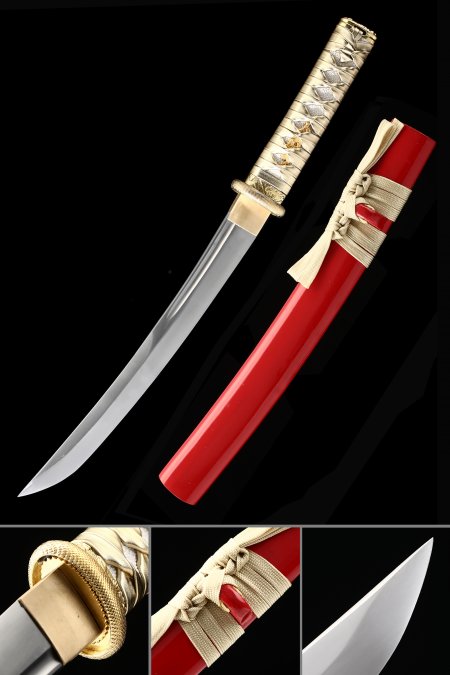
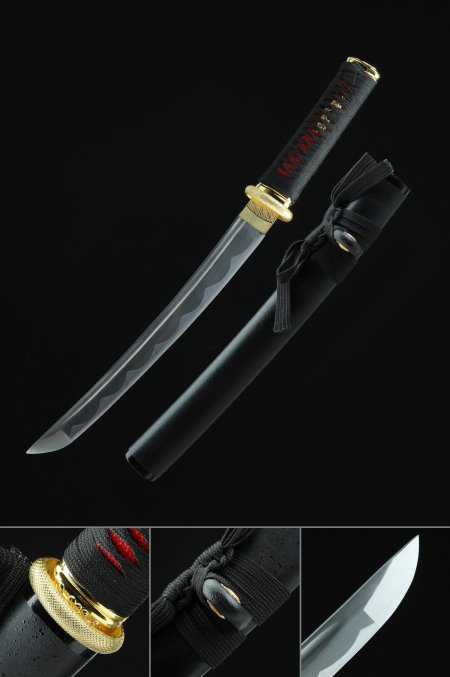
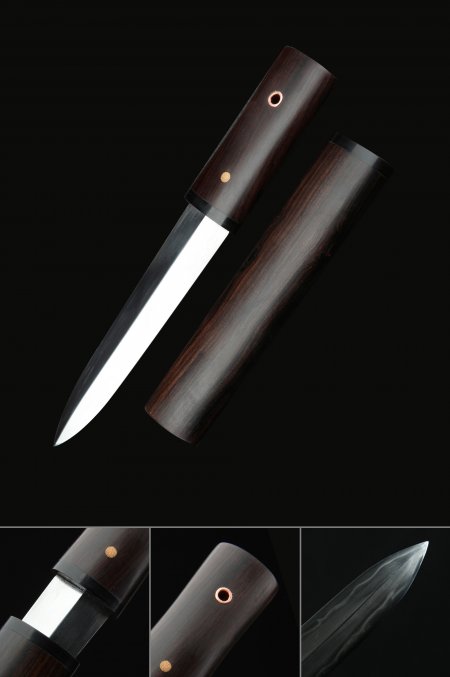
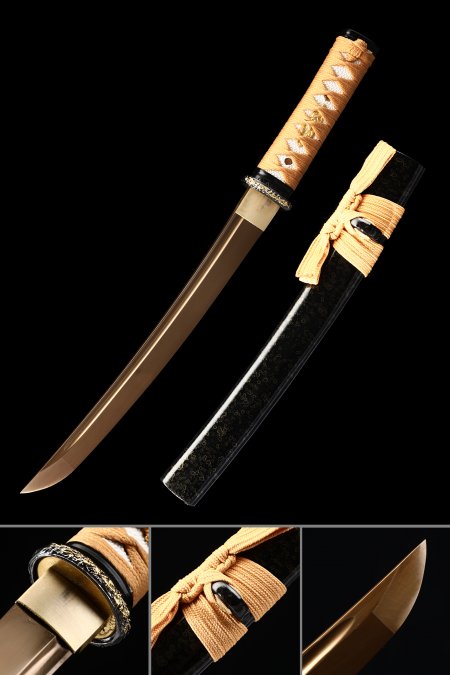
Full-tang construction means the steel of the blade extends as a single continuous piece through the entire length of the handle, secured by the handle components around it rather than attached at only one point. For display tanto, this matters for two reasons. First, it reflects authentic construction practices - traditionally made Japanese tanto were built with full-tang geometry, and a display piece that replicates this detail is truer to its reference. Second, full-tang construction provides long-term structural stability; the handle will not loosen or shift over time the way a partial-tang or rat-tail assembly can. Collectors who examine pieces closely - which is the point of displaying fine craftwork - will appreciate that the construction holds up to scrutiny at every level.