How does Damascus steel differ from clay-tempered carbon steel in display pieces?
Updated Mar 2026
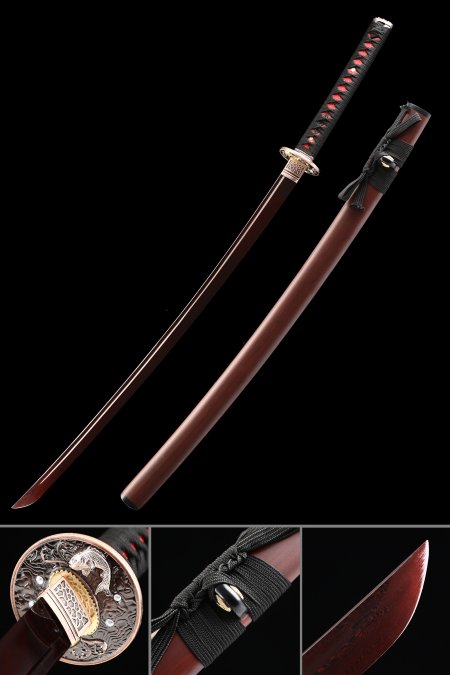
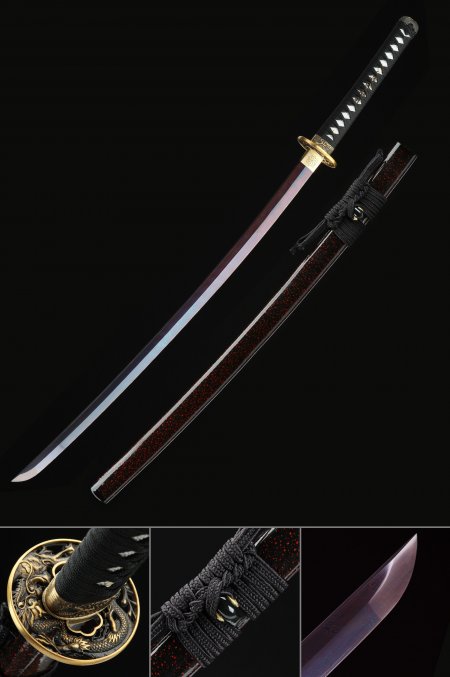
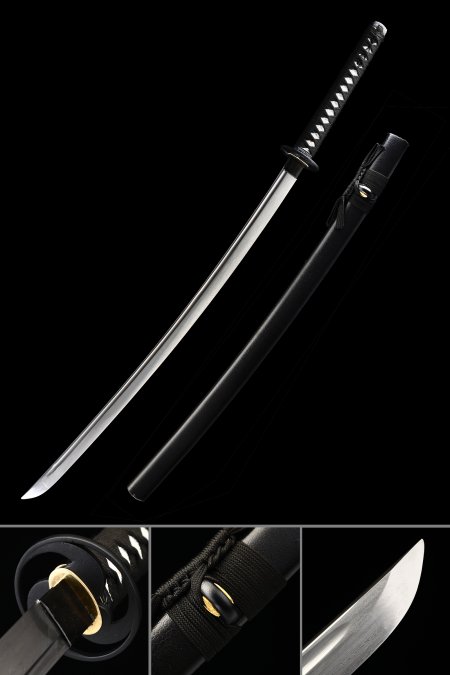
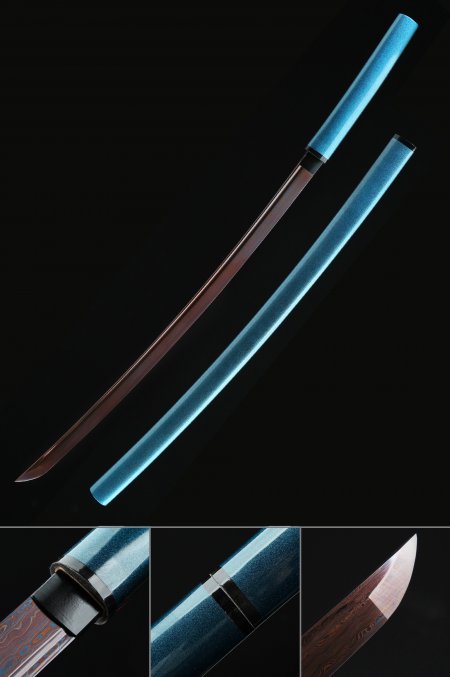
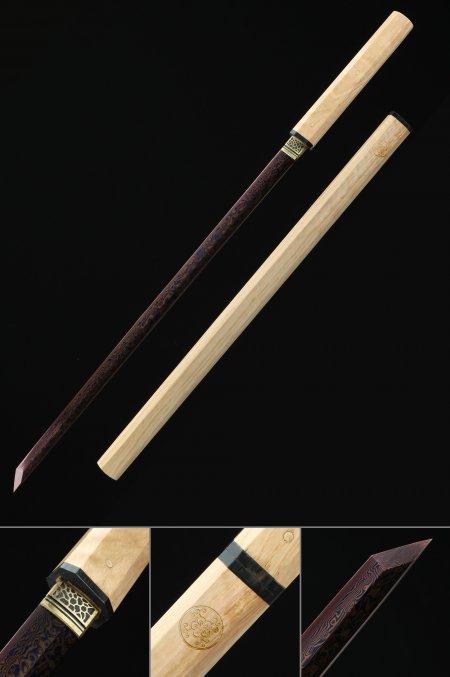
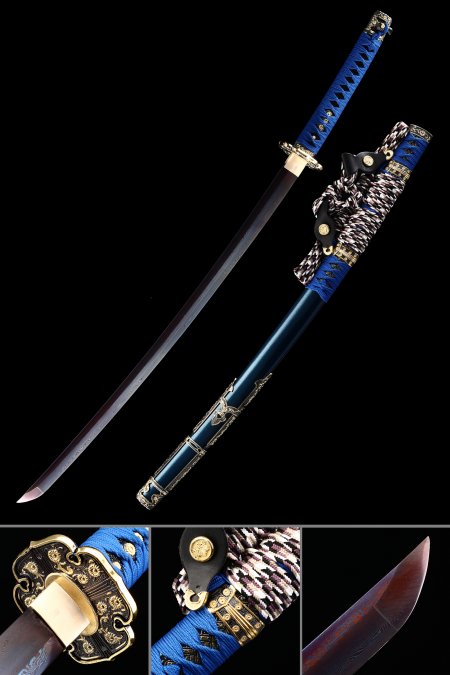
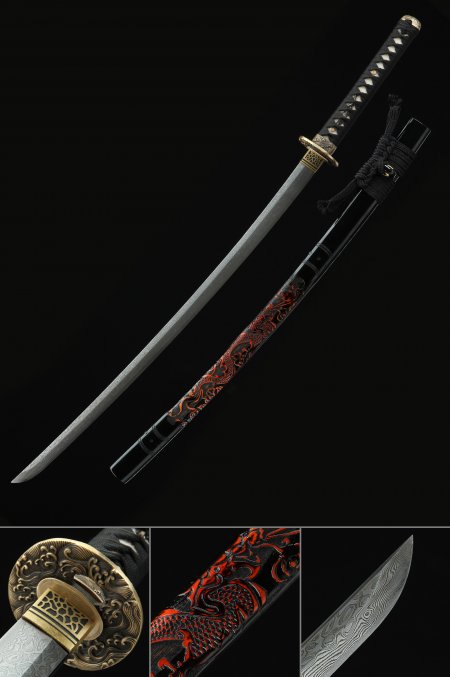
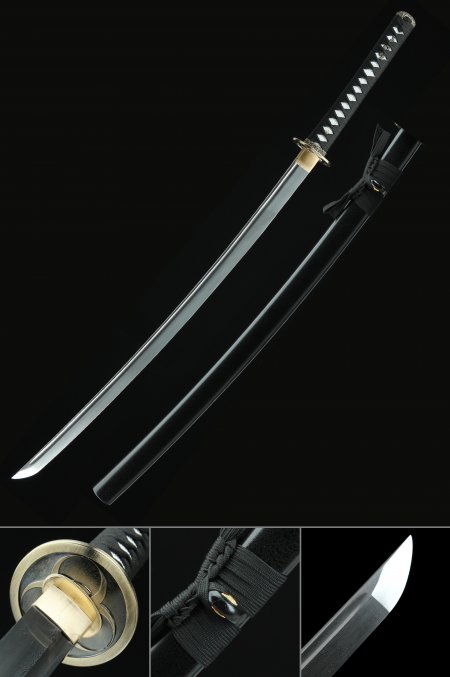
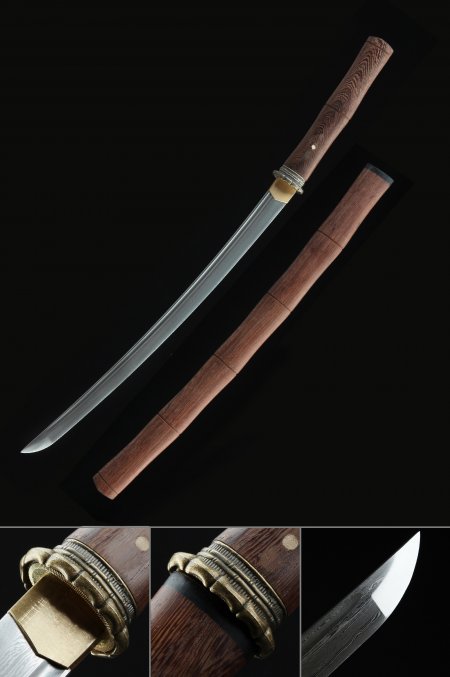
Damascus steel derives its visual character from the folding and forge-welding of two or more steel types, producing flowing layered patterns across the blade surface. These patterns are revealed through acid etching and are entirely surface-level on modern production pieces — what you see is a genuine result of the layering process, meaning no two blades are identical. Clay-tempered carbon steel takes a different approach: a clay slurry is applied to the blade before quenching, insulating the spine and allowing the edge to harden faster. This produces a hamon — a visible temper line — that runs along the blade and is considered a mark of traditional craft process. For display collectors, the choice often comes down to preference for pattern (Damascus) versus process authenticity (clay tempering).