How is the Damascus pattern formed on the blade surface?
Updated Mar 2026
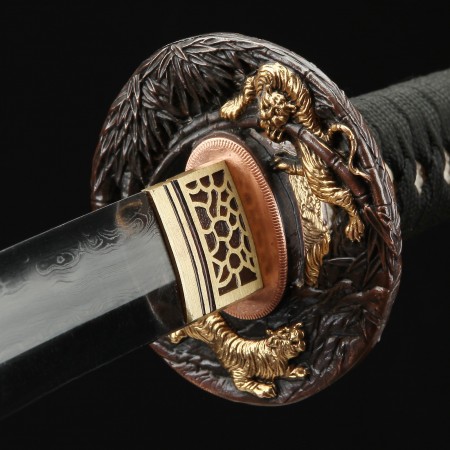
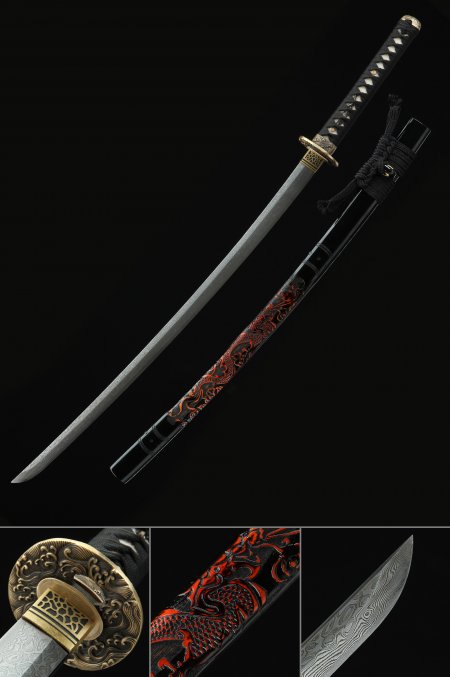
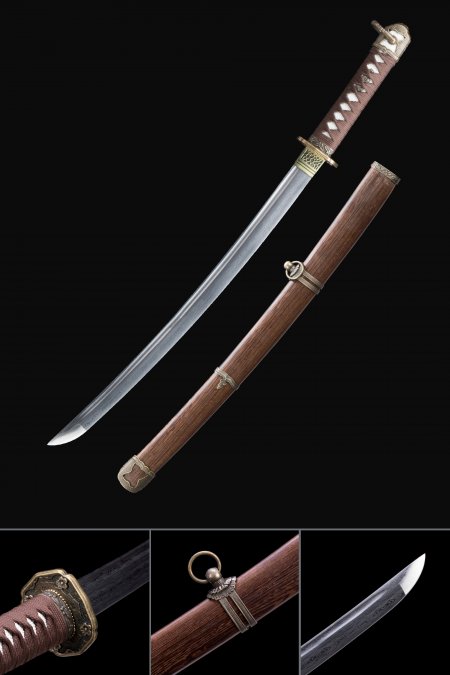
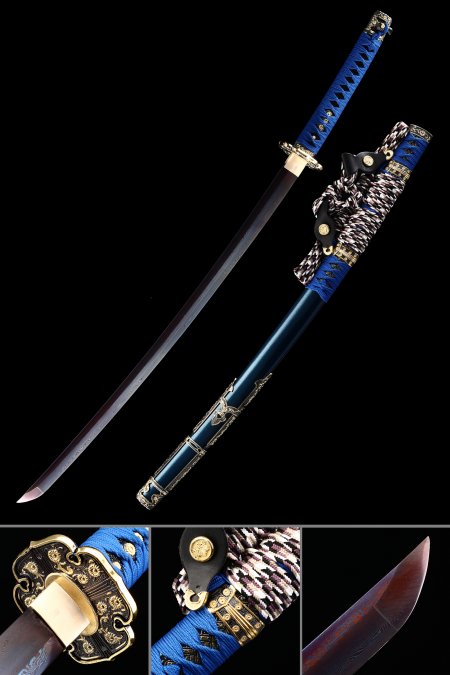
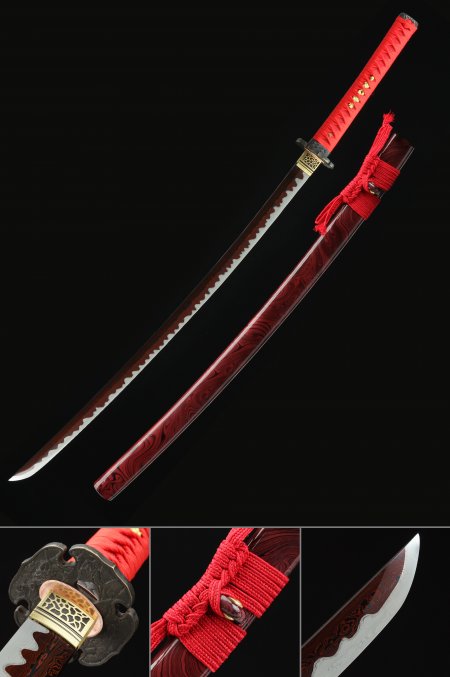
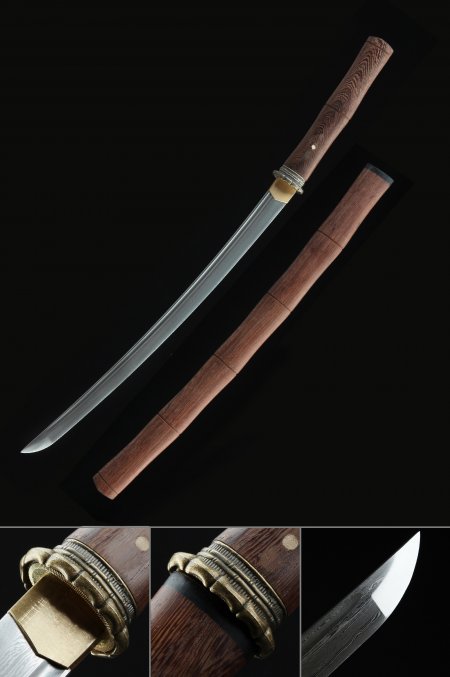
Damascus patterning is produced through a forge-welding and folding process in which two or more steel types — typically differing in carbon content — are layered, heated, and hammered together repeatedly. Each fold doubles the layer count, and the final surface grind reveals the grain structure created by those alternating steel layers. The specific pattern that emerges — woodgrain, ladder, twist, or random — depends on how the smith manipulates and cuts the billet before the final grind. No two hand-forged Damascus blades produce an identical pattern, which is a core reason collectors value them: each piece carries a surface that is structurally and visually unique to that individual forging session.